What Went Down?
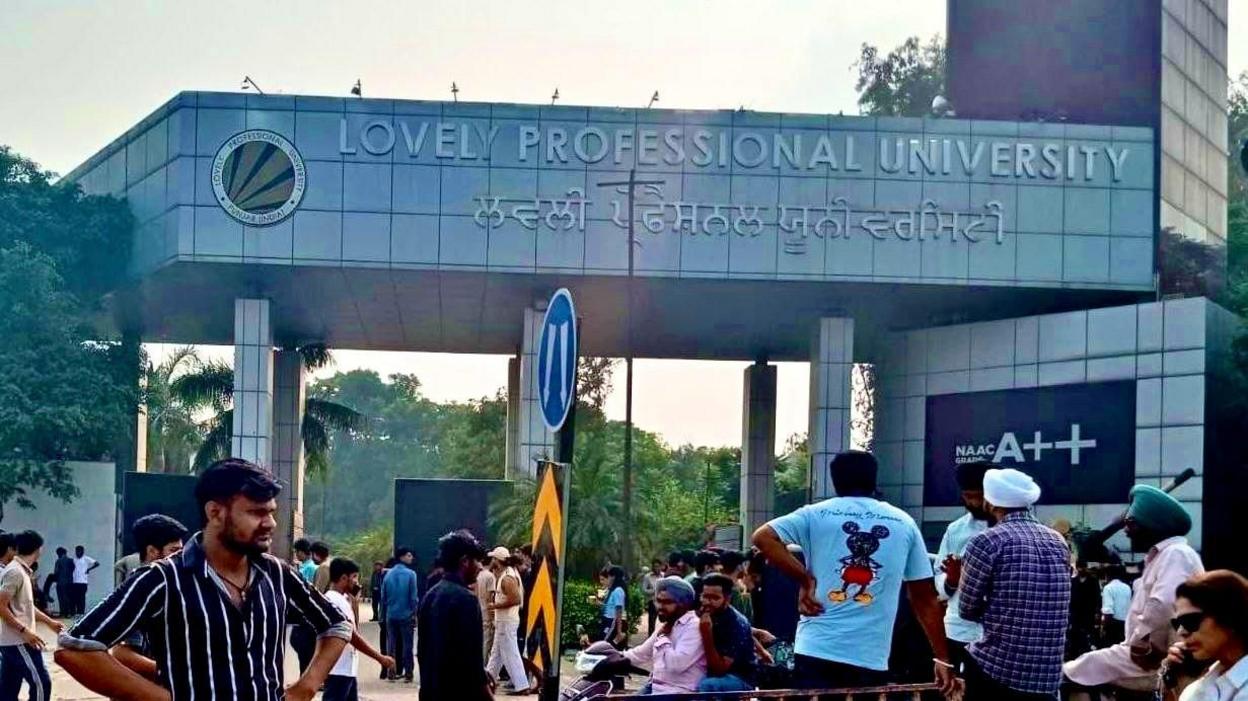
In late September, word spread that a female student at Lovely Professional University (LPU) had been raped inside campus hostels. The rumor, spread through WhatsApp groups, sparked a surge of anger and fear among students. Within hours, crowds rushed to the campus and even blocked a busy highway, causing traffic to halt for most of the day.
Violence and Police Response
Students were seen holding knives and scissors, voice‑reporting fear to staff and the media as police tried to calm the situation. Some protesters damaged property and threw stones at police vehicles, while others shouted at campus officials. Police later confirmed that their forces were attacked but refuted that they used batons.
University’s Stance
LPU’s administration denied the rape claim, describing it as a hoax, and set up a seven‑member investigation team. The campus was put under tight security and classes were suspended for ten days, with exams postponed and many students given the option to go home.
Why Is This Important?
Beyond the immediate chaos, the incident shows how quickly misinformation can turn into real‑world disorder and highlights urgent concerns about student safety and the role of social media in shaping campus life. It also raises questions about how universities and police can respond effectively to such urgent and complex situations.