In brief
The new spy thriller 'Dhurandhar,' which premiered in cinemas last week, portrays the story of an Indian spy navigating the dangerous landscape of Karachi while battling criminal networks. Although praised for its high-octane action and performances, it has sparked controversy for its nationalistic themes and depiction of historical events, leading to mixed reactions in both India and Pakistan. Critics highlight concerns about the film's accuracy and portrayal of Pakistan, raising questions about the blending of entertainment and propaganda.
A new Bollywood spy film is generating both praise and unease in India and Pakistan for its contentious portrayal of historical hostilities. Dhurandhar, which debuted last week, presents audiences with a fast-paced world of espionage and gang wars.
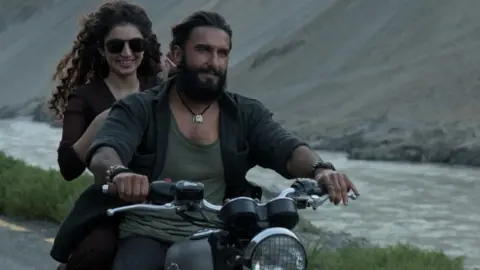
Starring Bollywood superstar Ranveer Singh as the lead character, Hamza, the film explores his dangerous journey as an Indian spy sent to confront criminal networks in Karachi, all amidst the backdrop of escalating tensions between the two countries.
While many viewers commend the film's thrilling action sequences, it has also ignited debates regarding its political narratives. The film's director, Aditya Dhar, previously gained fame with his successful movie Uri: The Surgical Strike, which further set the stage for the polarized responses to Dhurandhar.
Critics of the film argue that its representation of Pakistan leans heavily towards a nationalistic and sometimes inflammatory portrayal, which oversimplifies complex historical events. Some have faced backlash for their reviews, as reactions to the film become deeply intertwined with political sentiments. Despite the controversies, Dhurandhar has become one of the year's biggest box-office hits.
As cultural exchanges between India and Pakistan remain limited, films like Dhurandhar push audiences to grapple with sensitive historical themes. The blend of real-life events with cinematic drama raises questions about the portrayal of communal identities and national memory within contemporary Indian cinema.
As discussions continue, viewers and critics alike are compelled to confront the lines between entertainment and propaganda, challenging the narratives shaped by influential films.