In brief
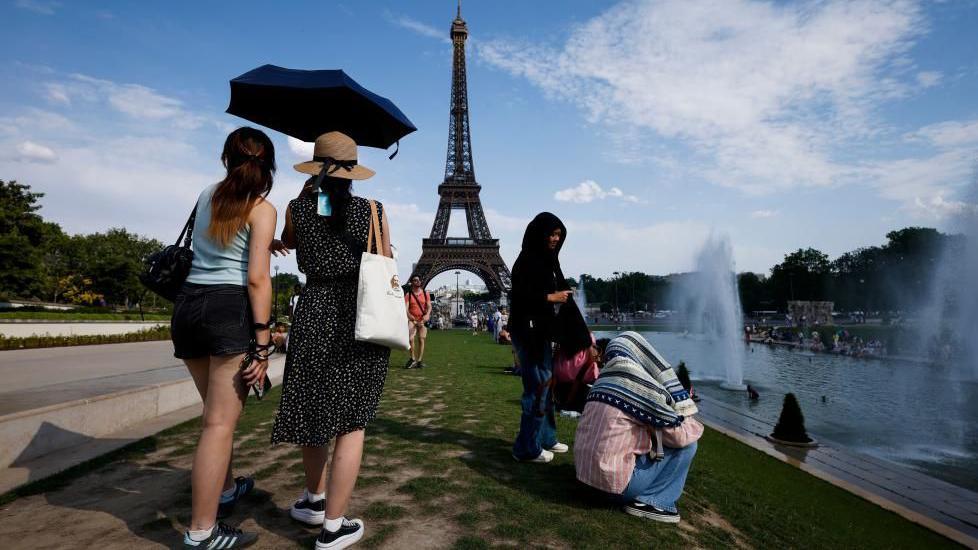
A relentless heatwave has turned French waters into a deadly zone. Between June 19 and today, 301 people have drowned, a 14% rise from the previous year. Experts blame rising water temperatures and risky swimming habits. The crisis comes alongside record wildfires and even a temporary shutdown of a nuclear plant. Authorities urge safer swimming practices and better monitoring of water bodies.
Since June 19, 2026, France has recorded 301 drownings, a 14% increase over the same period in 2025.
Sports and Youth Minister Marina Ferrari said the deadly toll is “tragic” and directly linked to the prolonged heatwaves sweeping Europe.
Heatwaves have not only sparked massive wildfires, burning thousands of hectares, but also pushed river and canal temperatures above safe limits. For example, the River Garonne hit 28°C, forcing the Golfech nuclear plant to temporarily shut down.
Many of the recent drownings occurred in open water—canals, rivers, and unmonitored swimming spots—and in private pools, especially among older adults. Sudden immersion in cold water on a hot day can shock the body, increasing the risk of fatal incidents.
Authorities are working with regional governments to improve and better supervise swimming areas. In June, the minister warned of people “trying to cool off…without taking risks into account.”
Climate change is accelerating Europe’s warming, with temperatures climbing twice as fast as the global average, according to the Copernicus Climate Service.
- Heatwaves heighten drowning risk
- Wildfires and nuclear plant shutdowns highlight extreme weather impacts
- Safe swimming practices are essential during hot spells
What you can do: Check water temperature before swimming, stay in supervised areas, and be cautious if you’re older or live near canals.