Franco‑German fighter jet programme shelved as EU defence partnership hits snag
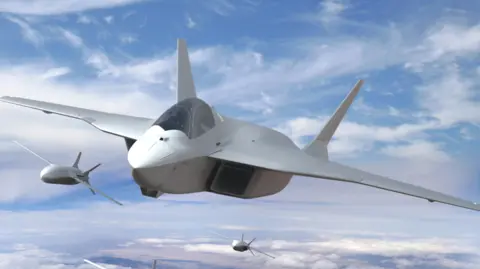
Germany has dissolved its joint fighter‑jet project with France, a move that has deepened tensions within Europe’s defence community and highlighted the uncertainties that lie ahead for trans‑European military collaboration. The decision to scrap the Future Combat Air System (FCAS) project – an ambitious partnership that began in 2017 under then‑German Chancellor Angela Merkel and French President Emmanuel Macron – follows a series of disputes over design, leadership and cost among the key players: Dassault Aviation, the German‑based Airbus Group, and other European aerospace companies.
The jet had been touted as a key symbol of Euro‑federalist cooperation, but the project hit a wall when French and German sides clashed over technical specifications: France wanted a lightweight fighter capable of launching from its aircraft carrier, whereas Germany demanded a larger air‑superiority aircraft that could outmatch Russia’s threat on the battlefield. Backing away from the joint programme, German officials said they would still keep some of the core elements of FCAS – such as engines, sensors and a digital “combat cloud” – active, though it remains unclear how these facets will be structured once the jet fails.
"It shows how Germany and France were chasing different goals," explained Christoph Bergs, an air‑power analyst at the Royal United Services Institute (Rusi). He added that Germany’s earlier “tepid” defence spending has now transformed into a much more assertive stance, fueled by a sharp rise in national budgets following Russia’s full‑scale invasion of Ukraine and pressure from the United States for Europe to shoulder a larger share of its own security costs.
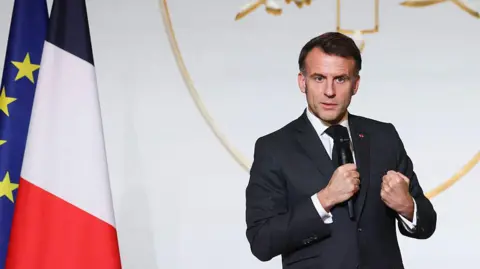
The split was publicly announced after a high‑level meeting where German Chancellor Friedrich Merz hinted that the jet programme was no longer viable, prompting French President Emmanuel Macron to agree. The decision came amid mounting friction between Germany and the United States, and it comes at a juncture when European leaders are keen to demonstrate that they can act strategically with a common purpose.
French officials expressed their disappointment, stating the loss of a shared vision for European defence but reaffirming the importance of strong Franco‑German cooperation and the broader European security community. "France remains convinced that defence and security cooperation between us is essential for both countries, as well as for our European partners," the Élysée Palace said in a statement.
The cancellation of FCAS offers Europe an opportunity to reassess its defence priorities in light of rapid technological advances. Rusi’s chief said that the timing was unfortunate but that the split could lead to a more realistic, technologically driven approach to the continent’s military collaboration in the future.