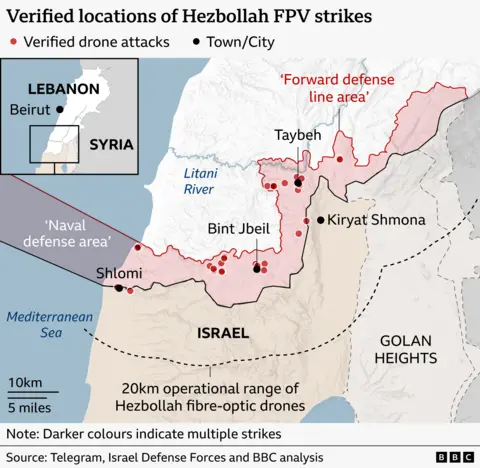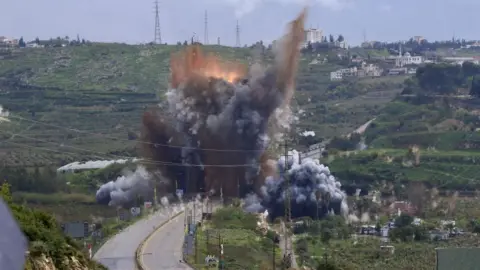
Israeli troops will control a large swathe of southern Lebanon as part of their campaign against Hezbollah, Defence Minister Israel Katz says. Katz stated troops had blown up bridges on the Litani River, about 30km from the Lebanon-Israel border, with plans for a security zone that would keep displaced residents from returning until northern Israel is safe. He indicated that five bridges, allegedly used by Hezbollah for transportation of arms and operatives, were destroyed.
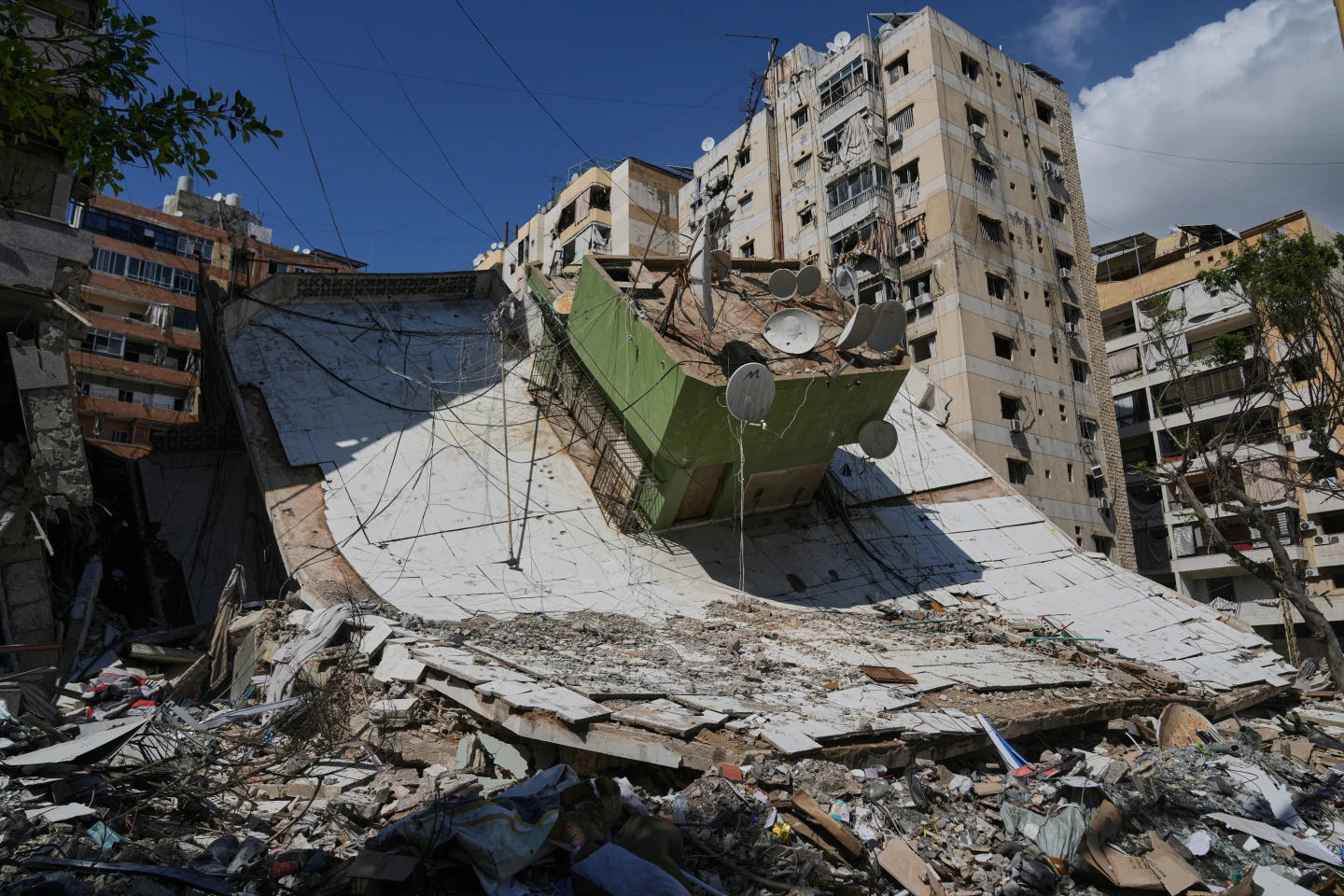
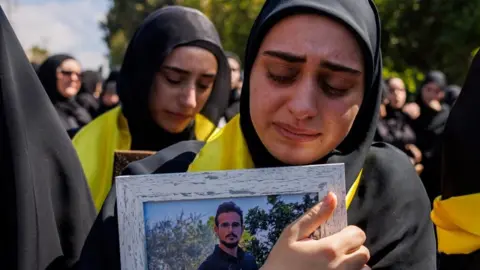
The escalation in conflict traces back to retaliation from Hezbollah after the killing of Iran's supreme leader. Since the conflict reignited, more than 1,072 people have died in Lebanon, including over 120 children, while more than a million have been displaced, further deteriorating the humanitarian crisis.
Israeli officials argue that their moves aim to enhance the safety of northern Israel communities and ensure that the area's residents are protected from Hezbollah threats. Katz emphasized that the Israel Defense Forces would continue to target Hezbollah structures as part of their efforts.
Residents previously returned to their homes after a ceasefire but now face potential relocation again. Katz's strategy mirrors operations in Gaza, aiming for a buffer to keep potential threats at bay. As Israel strengthens its military presence, Hezbollah has vowed to resist, claiming it views the situation as an "existential threat." The ongoing struggle reflects broader regional tensions, impacting many lives in both Lebanon and Israel.
The escalation in conflict traces back to retaliation from Hezbollah after the killing of Iran's supreme leader. Since the conflict reignited, more than 1,072 people have died in Lebanon, including over 120 children, while more than a million have been displaced, further deteriorating the humanitarian crisis.
Israeli officials argue that their moves aim to enhance the safety of northern Israel communities and ensure that the area's residents are protected from Hezbollah threats. Katz emphasized that the Israel Defense Forces would continue to target Hezbollah structures as part of their efforts.
Residents previously returned to their homes after a ceasefire but now face potential relocation again. Katz's strategy mirrors operations in Gaza, aiming for a buffer to keep potential threats at bay. As Israel strengthens its military presence, Hezbollah has vowed to resist, claiming it views the situation as an "existential threat." The ongoing struggle reflects broader regional tensions, impacting many lives in both Lebanon and Israel.