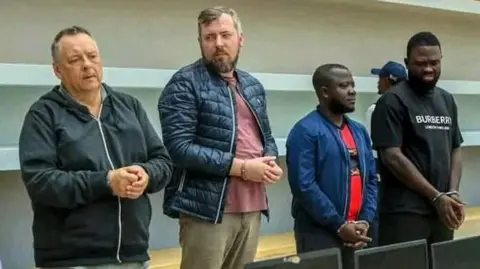
Inside the alleged Russian operation to trigger anti-government protests in Angola
Two Russians are due to go on trial in Angola accused of stirring up anti-government protests, conducting a campaign of disinformation, and attempting to interfere in next year's presidential election.
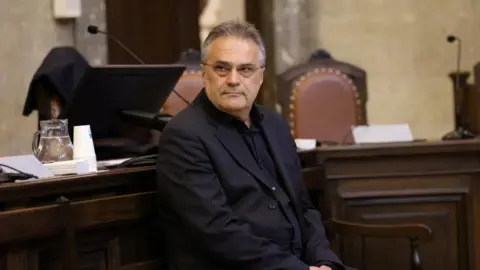
Arrested last August, political consultant Igor Ratchin and translator Lev Lakshtanov are facing 11 charges, including terrorism, espionage and influence peddling.
The BBC has obtained a copy of the indictment that includes charges relating to an alleged operation aimed at changing the political course of Angola.
The Russians' lawyers challenge the indictment on the grounds that it lacks 'concrete and objective facts'.
According to the prosecution, the Russians acted on behalf of Africa Politology, a shadowy network of operatives and intelligence officers in Africa that emerged from the now-defunct Wagner Group, whose founder Yevgeny Prigozhin died in 2023 in a plane crash. Political operatives linked to Wagner have been active across Africa for more than a decade.
Angola is a top African oil producer and diamond exporter. Its natural resources and strategic position make it a country of continued interest for Moscow. However, Angola has been gradually drifting away from Russia's sphere of influence.
Alongside the Russians, two Angolans will also face trial for their alleged part in the Russian-linked influence operation. The prosecution alleges the Russians hired sports journalist Amor Carlos Tomé and political activist Francisco Oliveira to conduct their activities in the country.
Agitators or scapegoats?
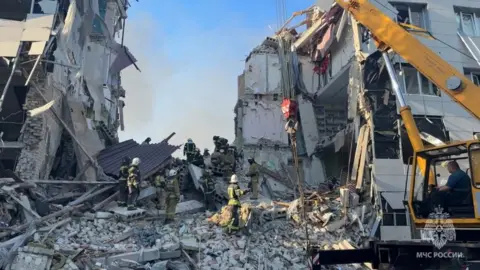
Last July, Angola saw the deadliest protests since the end of a civil war between Unita and the MPLA in 2002. What started as a peaceful taxi drivers' strike in Luanda quickly grew into nationwide unrest that turned violent. Activists suspect the government's narrative is an attempt to shift blame onto foreign operatives.
The World Bank estimates that almost 40% of Angolans could be living below the international poverty line of $3 per day. Many Angolan journalists and activists strongly contest the idea that the protests weren't organic.