A sudden and brief illness took the life of veteran U.S. Senator Lindsey Graham on 12 July 2026, ending a 23‑year career that had seen him both clash and cooperate with President Donald Trump.
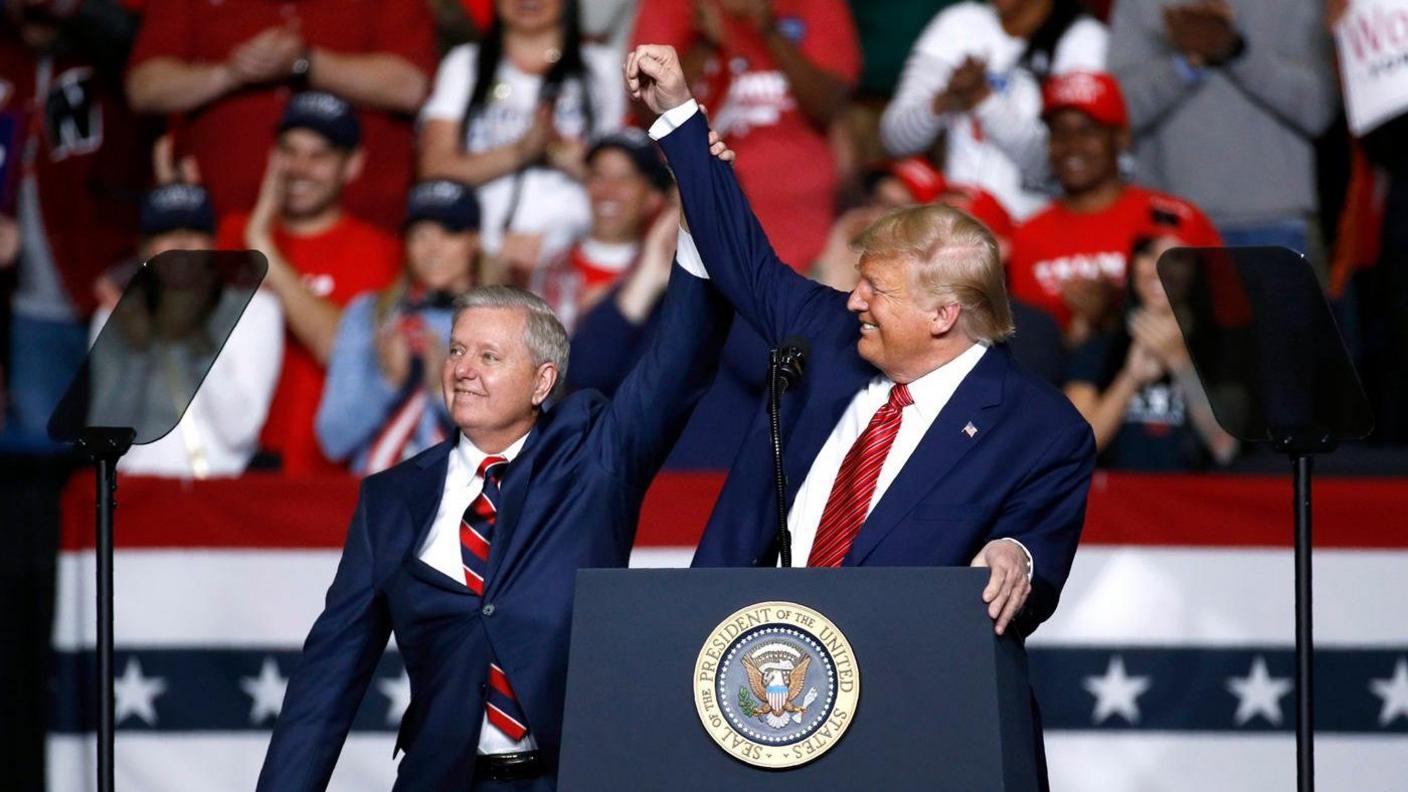
Graham first entered the Senate in 2002, quickly establishing himself as a hawk on foreign policy and a staunch supporter of Israel and regime change in Iran. But his willingness to adapt to the political winds made him a dependable ally during the Trump era. When Trump criticized Senator John McCain’s war‑hero status, Graham fired back, labeling Trump a “jackass” and even destroying a batch of phones in protest. Trump’s ridicule of Graham’s number at a rally forced the senator into a viral phone‑candy stunt.
During the 2015 GOP primaries, Graham campaigned for a calm bipartisan approach, famously saying he’d “open a bar” at the White House. Yet in 2016 he warned the party that choosing Trump would “destroy” the party’s standing. By 2017, however, Graham’s stance flipped; he defended Trump’s policies, helped push Brett Kavanaugh’s confirmation, and later cast votes that backed Trump’s cabinet appointments.
Graham’s brief break after the 2020 election saw him describe Trump as a “race‑baiting, xenophobic, religious bigot.” The 6 January Capitol riot prompted him to distance himself with a “Too much is enough” statement. Nevertheless, he returned to vote for Trump’s impeachment trial acquittal and, by 2021, announced his support for Trump’s 2024 presidential bid, claiming Trump had “been a good president” for him personally.
Despite his closeness to Trump, Graham maintained solid relationships across party lines. Democrats like Adam Schiff and Elizabeth Warren sent condolences after his death, and Trump acknowledged Graham’s ability to “work” with Democrats. The senator’s passing now forces South Carolina Republicans to appoint a replacement, potentially shifting the balance of power in the Senate for a year while a new primary fights to fill his seat in November.