
In brief
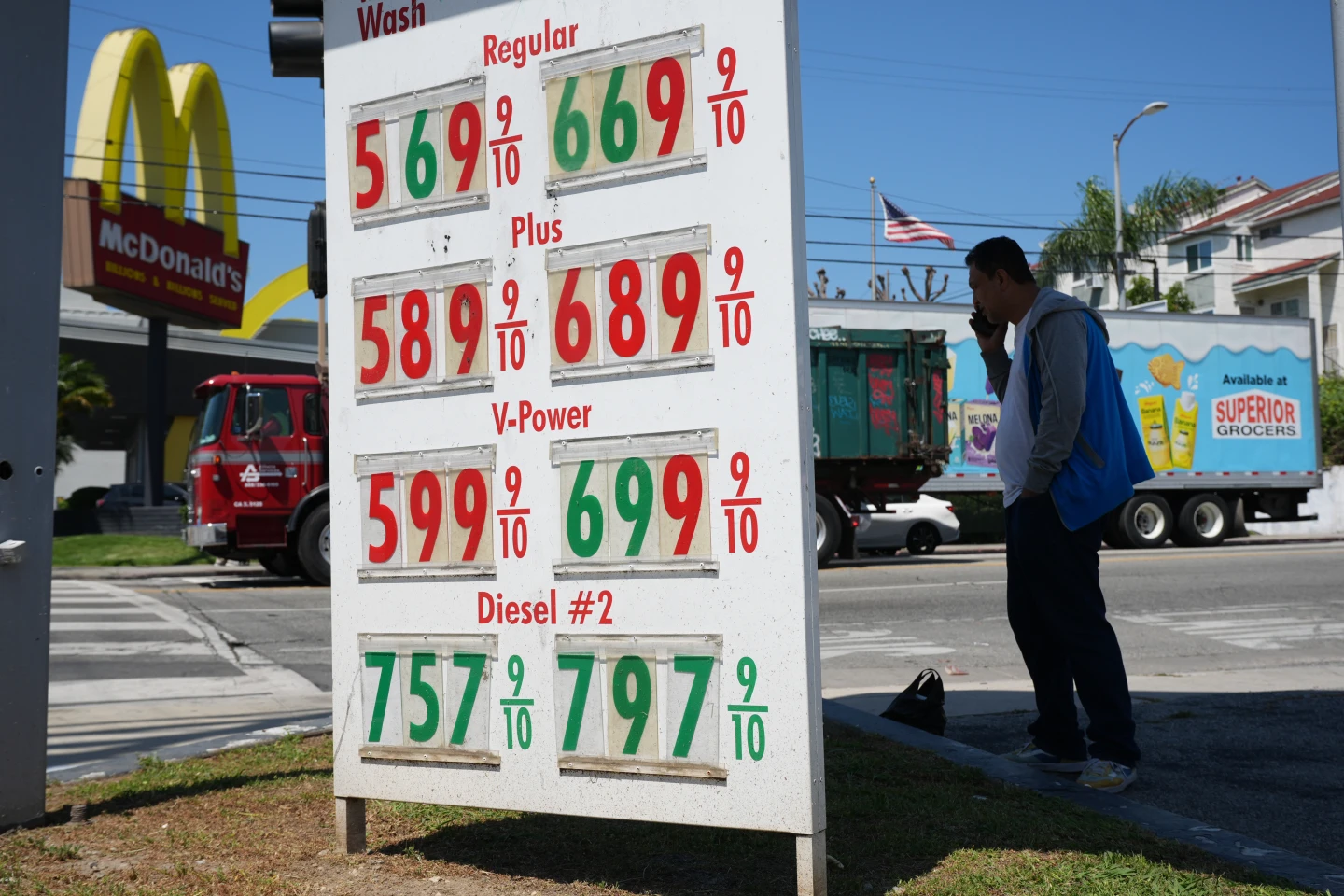
With gas prices climbing due to geopolitical tensions, drivers like Junelle Lewis are flocking to tribal gas stations, where prices are significantly lower due to tax exemptions. In states like California and New Mexico, Native American reservations are becoming go-to spots for cheaper fuel, allowing families to save money while supporting local communities. Apps that track gas prices are guiding the way to these savings, helping contribute to local economies amidst the ongoing inflation crisis.
As fuel prices surge in the U.S., driven largely by increased tensions in the Middle East, savvy drivers are taking to their phones to find cheaper gas at tribal stations. One such driver, Junelle Lewis, made her way from Seattle to the Tulalip Reservation, where gas costs around $4.84 per gallon, approximately 75 cents cheaper than nearby stations.
Across the nation, people are flocking to these stations due to their state tax exemptions, which enable them to sell fuel at lower prices. States like California, New Mexico, and New York have numerous tribal-owned stations, providing relief for drivers looking to save money on fuel without sacrificing quality.
The convenience of apps like Gas Buddy enables users to locate the cheapest gas nearby, making road trips to these tribal stations even more appealing. With rising fuel prices projected to contribute to overall inflation, many families are eyeing these tribal fuel stations as their best option for savings.
As communities benefit from increased gas station traffic, the revenue moves into local initiatives such as infrastructure, healthcare, and education, making the case for supporting tribal businesses even more compelling.