In brief
Around 78 % of toys in U.S. stores are made in China, with one 200‑piece train costing roughly $6 to produce and another $0.60 to ship. That $1.35 adds to the $30 retail price, while a 12.5 % tariff charges the American importer another $0.75. The factory takes about 20 % of the retail price (≈$6), and the rest is split between U.S. logistics, the retailer and the toy maker. Shipping from Shenzhen takes 15‑30 days and accounts for roughly 10 % of the cost. The final $22.65 or 75 % of the price stays in the U.S., greeting kids at Christmas ready to roll out the yard.
From Factory Floor to Christmas Table
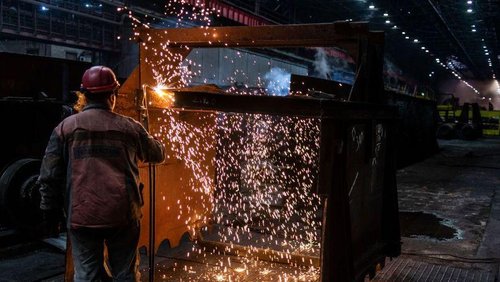
In the heart of Guangdong province, a factory called Mihox churns out plastic toys every year. The company says it sends about 55 million toys to America, making up half of its sales.
It all starts with a designer’s sketch. A prototype is printed, clay molds are made, and plastic parts are injected into the mold. That whole process can take one to two years if designers keep tweaking the idea. Once the prototype is approved, mold making takes a month and the production run lasts three months.
Mihox says the factory’s cut is about 20 % of a toy’s retail price. On a $30 toy, the factory earns roughly $6, which must cover plastic, labour, and a small profit margin of between 3 % and 10 %.
Sailing Across the Pacific
After the toys leave the factory, they are packed in crates and shipped by truck to Shenzhen port. From there, a cargo ship carries them to the U.S.; the trip takes about 15 days to the West Coast and 25 days to the East Coast. Shipping adds about 10 % of the manufacturing cost, or $0.60 on a $30 toy.
Tariffs & Customs: The Hidden $0.75
When the cargo arrives, the U.S. customs officer applies a 12.5 % tariff on the ¦¦¦¦¦ (ie the manufacturing price, not the retail price). For a $30 toy that cost $6 to make, the tariff is about $0.75. The American importer pays that fee.
Who Keeps the Money?
When you add up manufacturing ($6), shipping ($0.60) and tariff ($0.75), the total cost to the U.S. company is $7.35. That leaves $22.65 of the $30 retail price. Of that, roughly $2.65 goes to the U.S. delivery firm, and the toy maker and retailer split the remaining $20 drawn in half, giving each about $10. After both claim small profit margins, the big chunk—over three‑quarters of the price—stays in the United States.
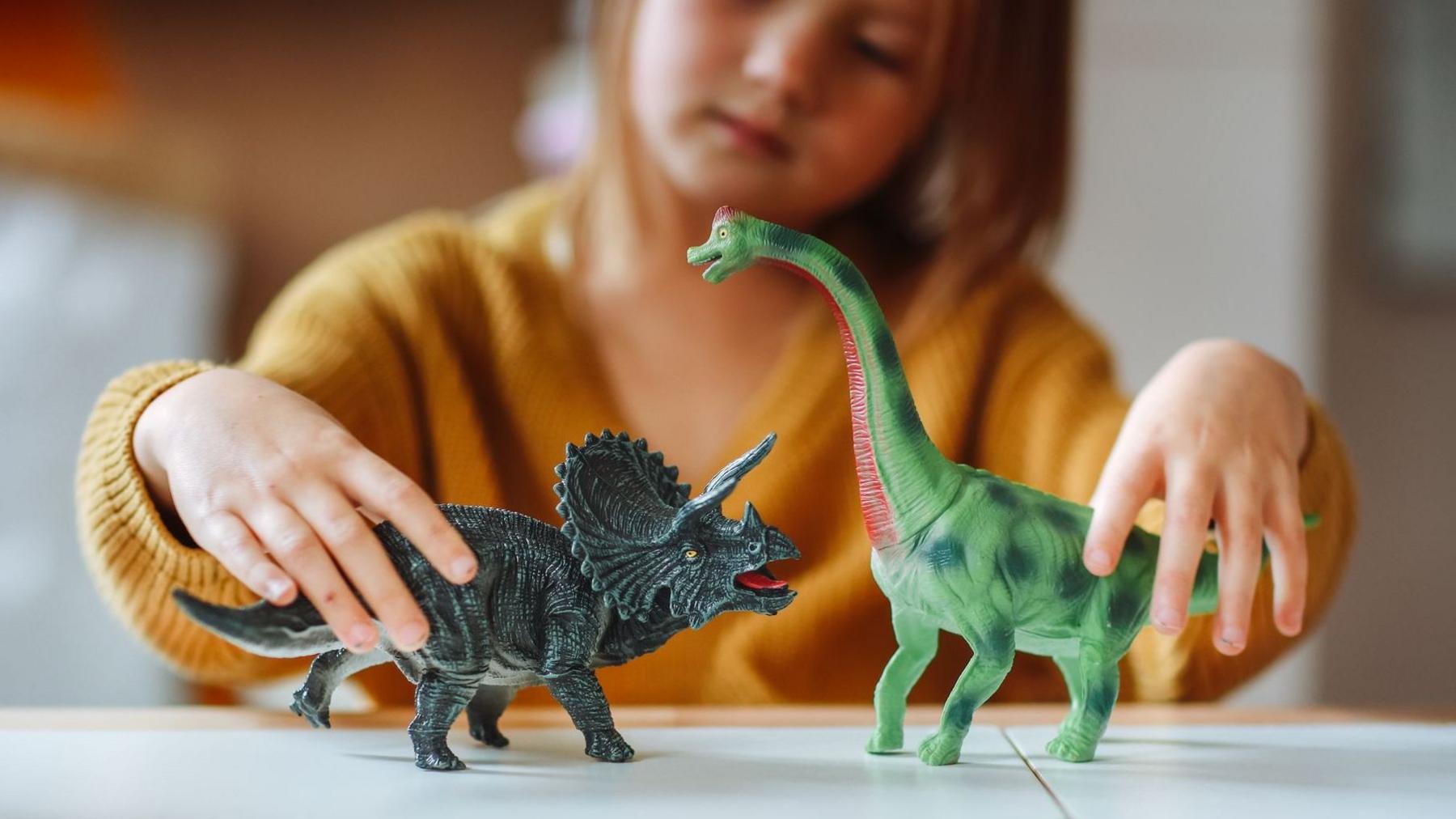
So when you hand a toy to a child this Christmas, remember it’s come a long way: a long design period, a Chinese factory, a shipping trip across the ocean, a U.S. tariff, and a series of American companies all helping to get it under the tree.