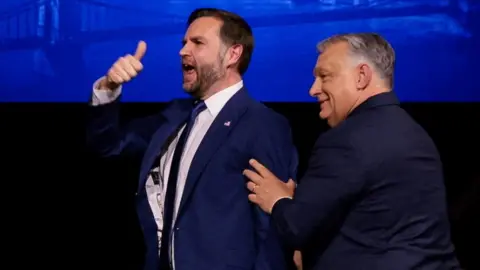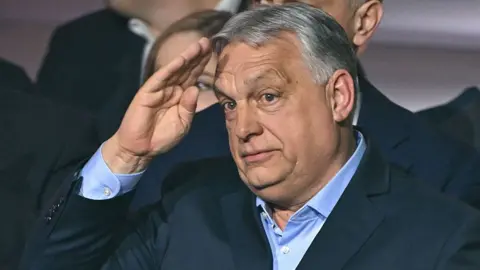
What Viktor Orbán did for the last 16 years in power was 'an experiment' - but even he didn't know what to call it. His friends in the U.S. liked to label it 'national conservatism', which sounded considerably better. Orbán was always a rebel at heart, constantly radicalizing himself despite claiming to uphold conventional values. He positioned himself against the 'Brussels bureaucrats' while selectively inviting foreign investment into Hungary. Assertion of national sovereignty came hand-in-hand with a reluctance to support Ukraine against Russia.
Hungary's recent electoral shift finds its roots in deep-seated frustrations toward Orbán's governance. While Orbán battled immigration and immigration from specific nations for economic gains, he heavily promoted pro-natal policies. Yet, despite these efforts, Hungary's fertility rate returned to 1.31 by 2025—the exact number he started with in 2010.
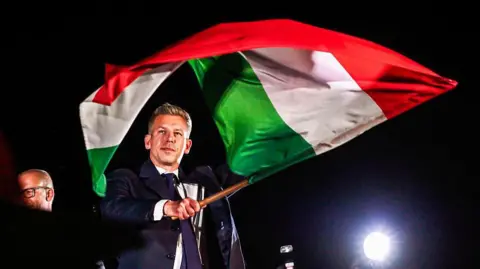
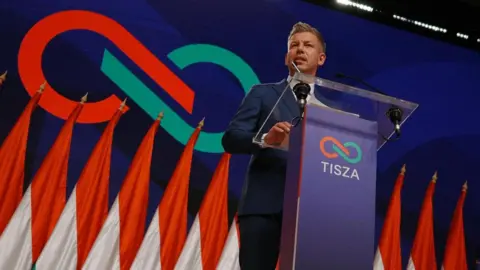
The historic defeat on April 12, 2026, revealed Hungary's exhaustion with constant conflict and the widening economic gap. Péter Magyar's campaign resonated with a vision of unity, as he carried the Hungarian flag to rallies, emphasizing inclusivity over division. Voters expressed a clear message: they no longer wanted to be the subjects of political experimentation. Following this electoral shift, Magyar declared a commitment to a 'normal country,' one that aims to work together for the future.
Hungary's recent electoral shift finds its roots in deep-seated frustrations toward Orbán's governance. While Orbán battled immigration and immigration from specific nations for economic gains, he heavily promoted pro-natal policies. Yet, despite these efforts, Hungary's fertility rate returned to 1.31 by 2025—the exact number he started with in 2010.
The historic defeat on April 12, 2026, revealed Hungary's exhaustion with constant conflict and the widening economic gap. Péter Magyar's campaign resonated with a vision of unity, as he carried the Hungarian flag to rallies, emphasizing inclusivity over division. Voters expressed a clear message: they no longer wanted to be the subjects of political experimentation. Following this electoral shift, Magyar declared a commitment to a 'normal country,' one that aims to work together for the future.