In brief
Three people died and 15 were wounded after an Israeli air strike hit a Hezbollah command centre in Beirut’s Dahieh suburb. The Israeli defence forces stated the target was retaliation for drone attacks by the Iran‑backed group. The loss of life and the military response come as the United Nations and the US are preparing to sign a high‑profile Iran‑US data‑sharing and nuclear‑protection deal. President Trump blasted the strike and urged that no more attacks from either side occur. The conflict has stretched beyond Lebanon, affecting US‑Israel policy and the future of Middle East peace.
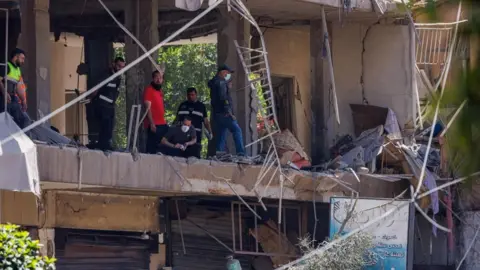
On Sunday, an Israeli air strike on the southern Beirut suburb of Dahieh left three people dead and 15 injured. The Israel Defense Forces (IDF) said the target was a Hezbollah command centre after underground rockets were fired toward Israel.
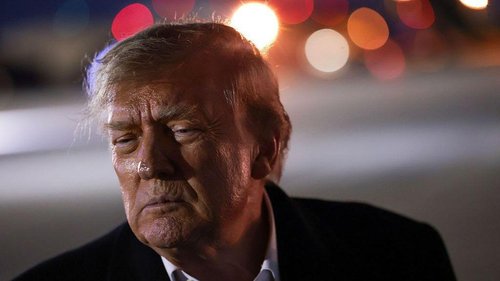
The strike drew strong reactions, with U.S. President Donald Trump stating the attack should not have happened, especially as a major Iran‑US deal is set to be signed. Trump also called for no more attacks from either side, warning that this could be the start of a long‑lasting peace.
Iran’s officials claim the Israeli bombing undermines the negotiations, while senior Iranian military officials warn the attack will not go unanswered. This backdrop stresses the complex interplay between Israel, Hezbollah, Lebanon, the United States and Iran.
The conflict sparked in March when Hezbollah reacted to an Israeli strike that killed Iran’s Supreme Leader, and since then Israel has launched extensive bombing across Lebanon. Though a ceasefire was signed in April, exchange of fire between the US and Iran continues, complicating the Gulf’s security and global oil supply.
Why this matters: The strike could force a rethink on how Israel, the US and Iran conduct the next round of talks, with potential ripple effects across the Middle East and global tech markets tied to regional stability.