In brief
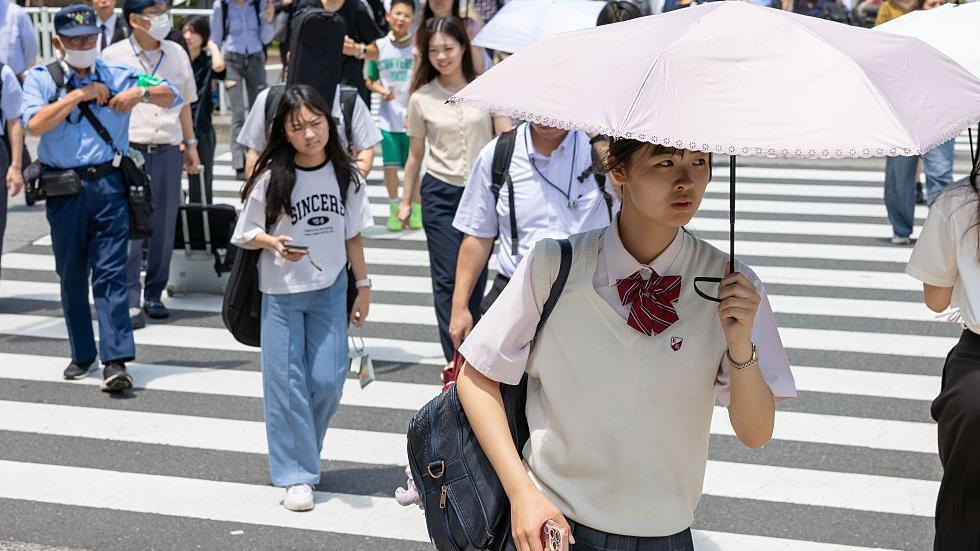
Japan has officially recorded its first "kokushobi", a brutal heatwave that pushed temperatures past 40°C in several central cities. The Meteorological Agency warns the heat will linger through the coming week, with nearly 300 observation points flagging "moshobi" (extremely hot days). Health officials are urging residents to stay cool—use air‑conditioners, keep hydrated, and avoid prolonged outdoor activity. The Tokyo Fire Department reported 287 heat‑stroke cases, the highest this year, prompting an ambulance overload alert. This extreme heat, part of a global trend of rising summer temperatures, also prompted calls for casual workwear to help workers stay cool.
Japan’s weather agency today named Tuesday the country’s first "kokushobi", a cruelly hot day that pushed temperatures past 40°C (104°F) in the central cities of Tajimi, Gujo and Toyoda.
The 40°C threshold is the strictest in Japan’s weather‑warning hierarchy – the first of its kind set only last year. The term, introduced in April, aims to alert the public to dangerous heat before conditions get too extreme.
Health officials stress that people use personal air‑conditioners, drink plenty of water and add a pinch of salt to keep electrolytes in balance. Avoiding outdoor errands during peak heat and staying inside cool spaces are also key.
The Tokyo Fire Department said 287 people—ranging in age from 3 to 103—were rushed to hospitals for apparent heatstroke, the highest number seen this year. By Wednesday, an ambulance overload alert was issued, urging the city to prioritize emergency response.
In light of the forecasted heat persisting into next week, the Tokyo government has encouraged office workers to swap suits for lighter clothing such as T‑shirts and shorts, hoping to reduce heat‑related fatigue and health risks. Meanwhile, experts warn that as summer temperatures rise globally, Japan’s new warning system will become increasingly vital to protect citizens from extreme heat.