In brief
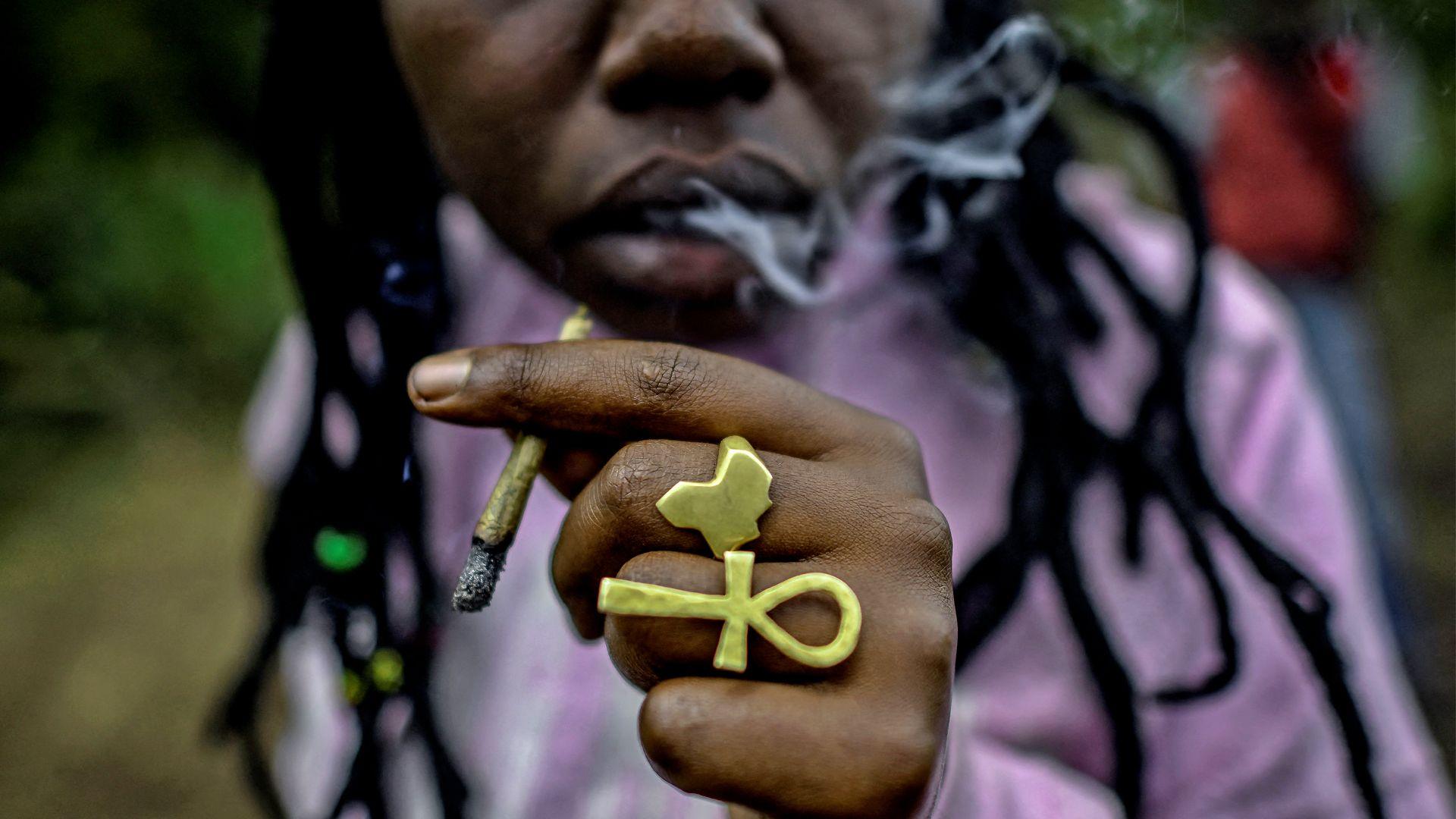
The High Court in Nairobi has shut down a six‑year legal battle by the Rastafarians who wanted an exemption to use cannabis in their religious ceremonies. The judges ruled that the community could not prove that the drug was an essential part of their faith and that an exemption would undermine Kenya’s strict anti‑drug laws. While the ruling temporarily secures the ban, it also sparks a national debate over cannabis regulation, potential economic benefits, and religious freedom. Rastafarian leaders have pledged to appeal the decision, hoping to rewrite the narrative around faith, cannabis and the law.
Legalisation dreams hit a roadblock in Nairobi.
The Kenyan High Court ruled against a 2021 petition by the Rastafarians who argued that their faith required the sacred use of cannabis. The judges said the community failed to prove the drug was an essential part of religious practice and that giving an exemption would create loopholes in anti‑drug enforcement.
The ruling acknowledges that regulated cannabis could generate jobs, tax revenue and medical benefits for Kenya. Yet the decision upholds the Narcotic Drugs and Psychotropic Substances (Control) Act, which still makes possession of cannabis a criminal offence that can carry up to five years’ imprisonment or a fine of $800 (£600). Cultivating the plant can result in a fine of $1,900 or up to 20 years of jail time.
During the hearing, the Rastafarian Society of Kenya presented its case: cannabis is a sacred sacrament, and they seek permission to grow, possess and use it in private homes or designated worship spaces. They were warned that the request could undermine law enforcement and allow illegal trafficking.
- The court found the evidence on cannabis’s centrality to the faith inconsistent.
- It upheld the constitutionality of the current drug laws.
- Justice Bahati Mwamuye noted this was a national question, not just a religious one.
- Rastafarian lawyer Danstan Omari announced plans to appeal.
The decision comes seven years after a prior High Court ruling recognized Rastafarianism as a protected religion, striking down a school’s expulsion of a student over her dreadlocks. The Rastafarian community, though small, is growing, especially among youth, and its attire echoes a history of anti‑colonial resistance.
While the court dismissed the request, the debate over cannabis regulation continues, as other African nations explore legal frameworks for the drug’s medicinal, industrial and recreational use.