In brief
The Trump administration has revamped U.S. health aid, promising billions to African countries under tight conditions and a push for local spending. Kenya signed a $2.5bn deal, yet legal challenges delayed implementation. Ghana, Zimbabwe and Zambia refused offers, citing worries over data privacy and commercial ties to American pharmaceutical firms. Critics argue that cutting USAID undermines frontline responses, such as in Congo’s recent Ebola crisis. The story highlights the clash between American strategic interests and the push for sovereign health systems on the continent.
The Trump team decided to scrap USAID and write a new WHO‑free, bill‑pay‑style health strategy. The proposal promised hundreds of millions of dollars to help African nurses, labs and disease‑centre networks – but only if the countries agreed to share data and ramp up local budgets.
Kenya came first, signing a $2.5bn deal that saw Nairobi pledge $850m over five years. The partnership drew the spotlight, yet activists in dots of the court barred the deal for weeks, forcing the president to wait for legal clearance.
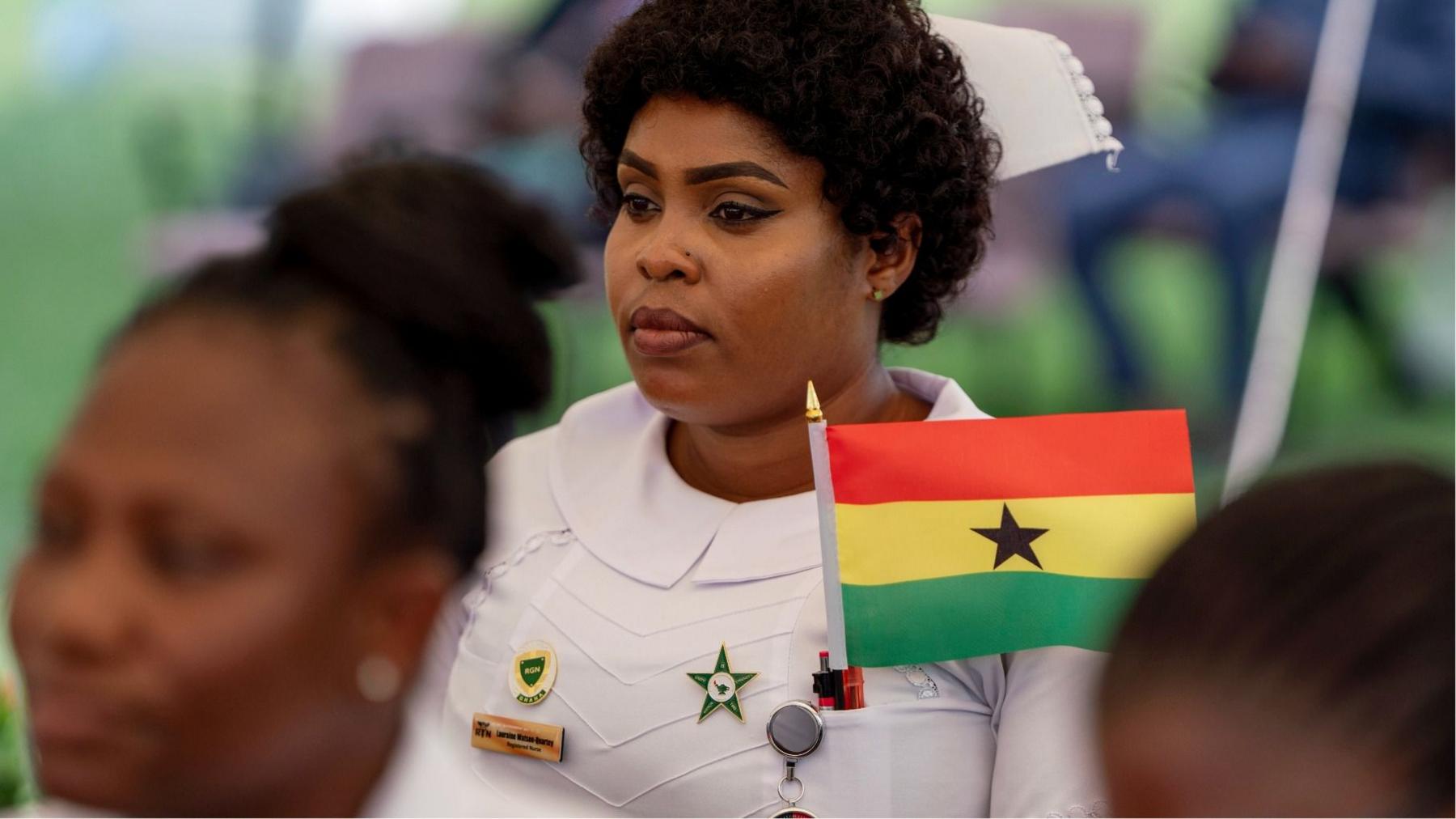
In Accra, Ghana rejected a $109m offer because the terms let U.S. officials see medical patient lists and viruses. The country warned that the data would leave Ghana’s borders with no safeguards and users could be used to name American drug patents.
Similarly, Zimbabwe said the US demanded copies of clinics’ patient data to benefit U.S. pharma firms. Zambia complained that the deal bundled health aid with mineral‑rights talks in a single package, a tactic the Zambian government said violated its autonomy.
Critics argue the top‑down shift broke hard‑won cooperation structures that saved lives, such as during Congo’s Ebola outbreak. With USAID cut, local teams had fewer resources for quick response – a fallout highlighted by journalists who called out the new model for being too “conditional and commercial.”
For Africa, the debate lands on a choice: accept U.S. cash that arrives with strings attached, or preserve data sovereignty and insist on a multilateral approach that lets all countries share medicine and viruses safely.