In brief
As volunteers sift through the remnants of Saydnaya prison, they uncover the shocking reality of torture and suffering experienced by detainees, fueling a desire for justice among Syrians.
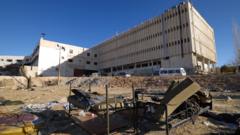
Saydnaya prison, perched ominously near Damascus, is known for its brutality, with estimates suggesting over 30,000 detainees lost their lives since the Syrian war began in 2011. Recently renovated in the colors of Syria's revolutionary flag, the prison still radiates a haunting atmosphere. Detainees disappeared here, inciting fear across the nation, a fearful tactic of Bashar al-Assad’s regime.While other prisons allowed some contact with families, Saydnaya became a symbol of terror. Overcrowded cells forced men to urinate in bags, with little access to basic sanitation, revealing the depths of inhumanity prisoners faced. Eyewitness accounts of torture and executions only add to the horror, promising further revelations as former inmates recount their experiences.Volunteers have rushed to preserve the chaotic remnants of Saydnaya’s history. Armed with face masks and gloves, they dig through scattered records, desperate to document the regime's crimes. Safana Bakleh, a musician leading the effort, states the urgency is high, as evidence is at risk of vanishing amidst the chaos.The feelings of grief and shock among volunteers are palpable. Widad Halabi, another volunteer, expressed her heartbreak seeing the conditions prisoners endured, reinforcing the demand for justice. Many families have arrived in search of loved ones, hoping for answers amidst the chaos left behind.Challenges lie ahead. Key figures in the Assad regime have fled, complicating legal actions against them. But the desire for accountability is only growing stronger, with families demanding justice for their loved ones and the innocent lives lost in Saydnaya.Though the powerful Assad family lived lavishly during the crisis, many Syrians faced grinding poverty. Despite their painful history, many survivors, like Hassan Abu Shwarb, now value home and healing, insisting on the necessity of punishing those who perpetrated the horrors.The future remains uncertain. As Syria shifts into a new era, the pursuit of justice intertwines with the quest for peace, with hopes that accountability can help the nation heal from the scars of its past. A new chapter begins, but many insist that justice is essential to avoid a repeat of history.