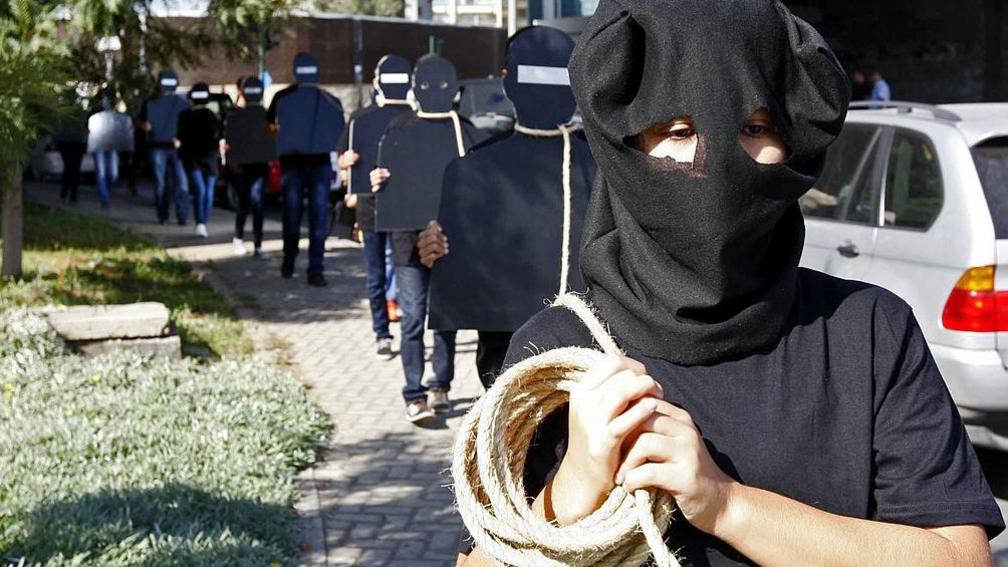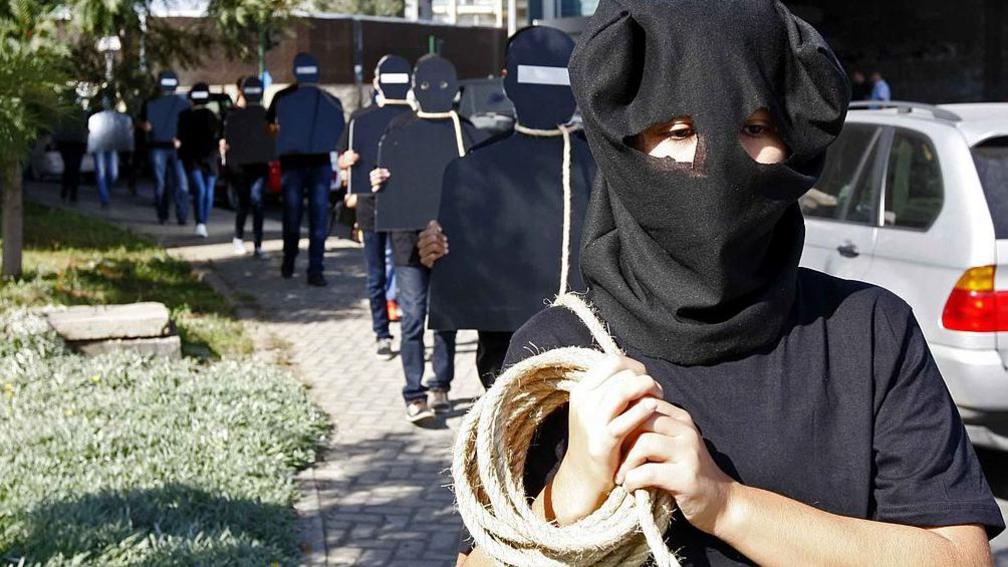
Lebanon’s 128‑seat parliament has decided to abolish the death penalty, a move that will make it the first country in the Middle East to end capital punishment.
The vote, approved by a majority of MPs, came with Hezbollah’s parliamentary bloc opposing the measure. The legislation will now go to the cabinet before the president signs it into law, with the government already promising support.
Lebanon has not carried out an execution since January 2004, though courts continue to hand down death sentences. More than 78 people are believed to remain on death row, according to rights organisations. The new law will replace the penalty with life imprisonment, including hard labour – a clause written into law but rarely used because of a financial crisis and crowded prisons.
The legislation follows years of civil‑society advocacy. “We cannot solve a crime with a crime or end violence with violence,” said Oragit Younan of the Lebanese Association for Civil Rights, who led a nearly three‑decade campaign.
The vote cuts short a de‑facto moratorium that lasted since 2004 and restores a more humane legal framework. The outcome comes as other Middle‑Eastern nations are still debating the death penalty – Jordan resumed executions in June; Israel approved new, harsher statutes; and Iran continues executions to suppress dissent, prompting UN officials to raise concerns.
With this change, Lebanon signals a potential shift in regional human‑rights norms, inviting neighbours to reconsider capital punishment and offering a model for societies where state‑carried‑out executions continue to dominate.