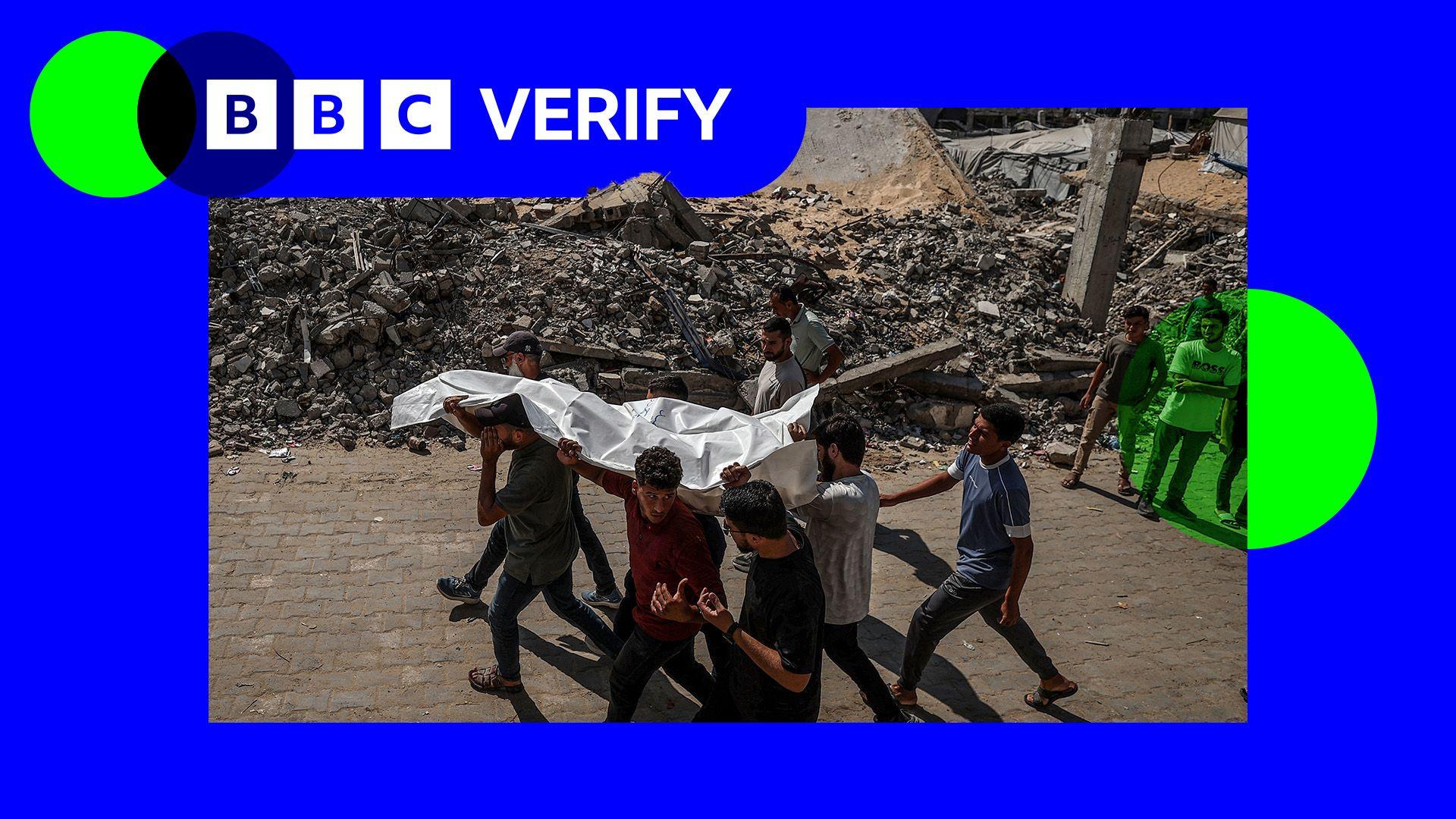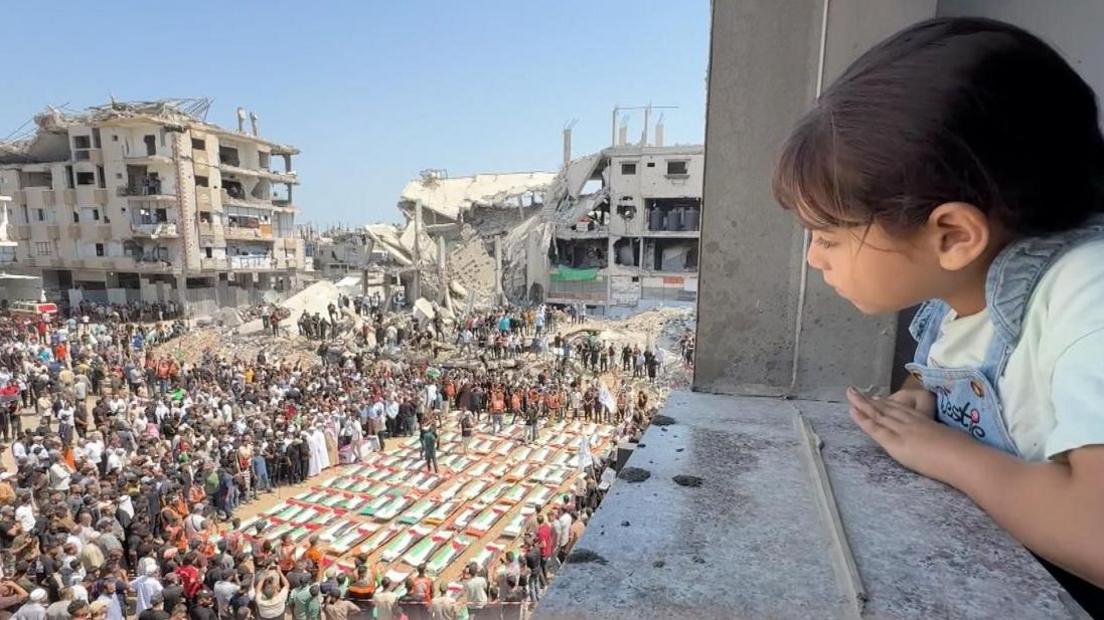
Massive turnout in Gaza City. Hundreds gathered to witness the largest funeral ever held in the war‑torn strip, honoring 112 people from the Abu Sharia and Hassayna families who were killed during an Israeli strike in November 2023.
Recovered after a two‑week dig, the bodies—predominantly women and children—were lined up on the ground, each wrapped in a Palestinian flag and flanked by family photos. The proceedings were watched by relatives who, after lifting the remains, carried them away for burial.
The Civil Defence, working under the Hamas‑run interior ministry and supported by the International Committee of the Red Cross (ICRC), performed the heavy‑handed demolition. “They provided gloves, shovels and every piece of protective gear,” said ICRC spokesperson Patrick Griffiths. Their role was not to find closure for families, but to give a dignified ending for those lost.
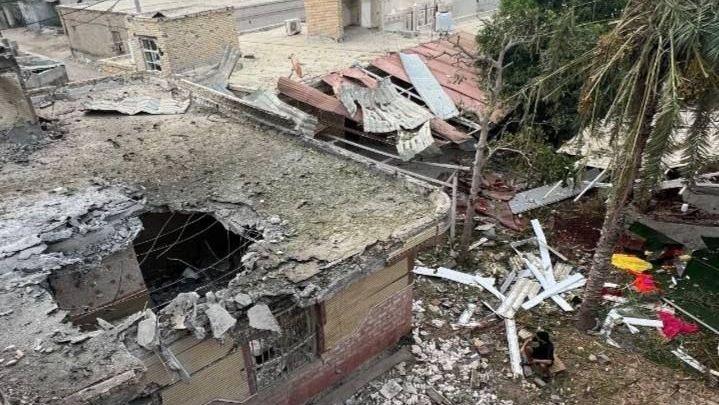
The strike targeted a multi‑storey building in the Sabra neighbourhood of Gaza City. According to Civil Defence spokesman Mohammed Basel, the building, which housed over 180 civilians, was leveled, killing roughly 90% of its occupants. The operation was delayed due to safety concerns and the need for coordination through the ICRC.
Family voices spoke through the rubble: “Why were they killed?” a mother asked, holding a school backpack and a shoe belonging to her children. One survivor, Yousef Abu Sharia, shared his single‑man grief, losing his entire kin well under the rubble.
At least dozens of bodies still await recovery, and thousands more remain unaccounted for throughout Gaza, with many feared trapped beneath wartime debris. The continuous death toll—exceeding 73,000—reminds the world of the persistent human cost of this conflict.
The funeral, a display of collective mourning, offers a moment of communal healing—though it cannot erase the tragic losses that will continue to echo in Gaza for years.