The Courtroom Scene
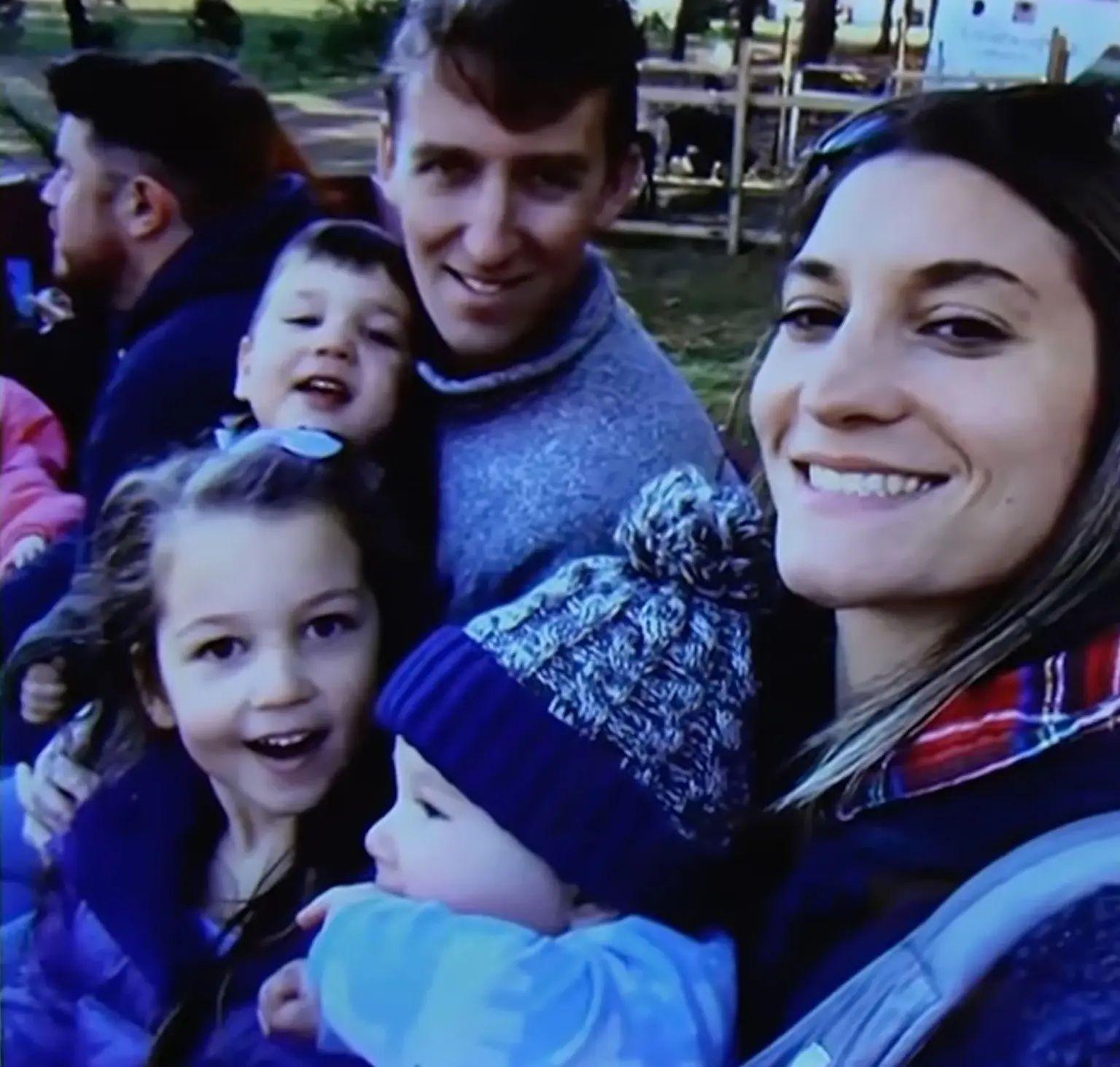
At the centre of the trial is the young mother who, after her newborn’s birth, slipped into a darkness of insomnia, appetite loss and fierce anxiety. Her mother‑in‑law told the court she had been "begging for help"—a plea that went unnoticed until the very last minute.
Legal Cross‑Examines
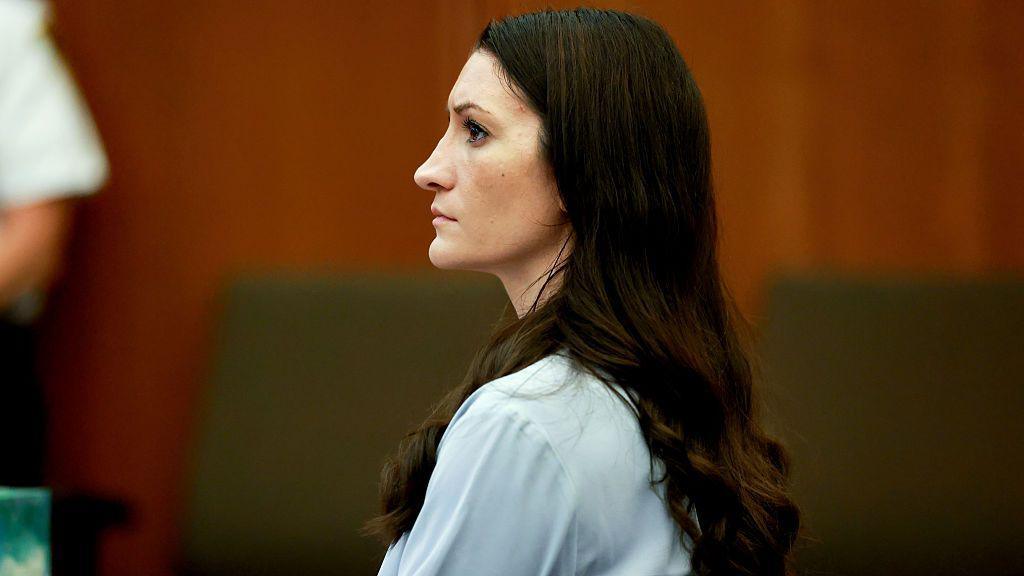
Fingers of the prosecution point to a calculated sequence: three victims, strangled with fitness bands, followed by a desperate jump out of a second‑floor window. In a plea from the defence, her own mother, the nurse’s mother, testifies that her family had believed the woman was "nurturing" and "loving," a picture starkly at odds with the evidence of her plea for help.
Post‑partum Psychosis 101
Post‑partum psychosis, a serious mental health crisis that can arise within weeks of childbirth, differs from "baby blues" by its severity and urgency. The case forces many to ask: how do we spot and treat such extreme states before they spiral into violence? NHS guidance reminds that it is a medical emergency.{
}Not only does it highlight a potential gap in mental‑health support, but it also underlines the need for closer monitoring and intervention after birth.
What’s Next?
The trial will keep running in July as each side presents testimonies and medical opinions. If the court finds the mother was driven by postpartum psychosis, it could reshape how such crises are managed—possibly preventing future tragedies. If the verdict pinpoints premeditation, the courtroom’s find will be an eye‑opener on how fear and stigma may leave families unnamed and unseen.