In brief
High-level talks between the US and Iran, taking place in Islamabad, face significant challenges including Hezbollah's ongoing conflict, issues surrounding the Strait of Hormuz, nuclear ambitions, Iran's regional alliances, and demands for sanctions relief. With both sides showing cautious optimism, the path ahead appears difficult but crucial for regional stability.
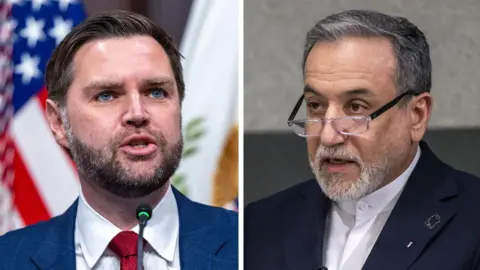
The venue is ready, the guards are in place, and the curb along the approach road has received a fresh coat of yellow and black paint. Islamabad awaits. Proudly hosting the critical US-Iran talks, Pakistani officials express hope, emphasizing their unique position of trust with both nations. Leading the US delegation is Vice President JD Vance, who remains positive about progress. However, he issued a warning: if Iran attempts to exploit the situation, they might face a less favorable negotiating team. The talks will address five vital challenges: the conflict with Hezbollah, navigation issues at the Strait of Hormuz, Iran's nuclear program, regional alliances, and the lifting of US sanctions. As diplomatic layers complicate matters, an atmosphere of uncertainty casts doubt over the likelihood of effective negotiations.