Nobel Chemistry Prize Decodes Life’s Left‑Handed Secret
Scientists have finally answered the age‑old question about why every living thing uses just one twist of a powerful molecule. The Nobel Prize in Chemistry was awarded to French chemist Henri B. Kagan and Japan’s Kenso Soai for proving that the microscopic world prefers the “left‑handed” version of certain molecules.
Molecules such as amino acids—the building blocks of proteins—come in two mirror‑image forms, called enantiomers. Life’s chemistry is incredibly picky: it will only pick one enantiomer and ignore the other. For decades scientists wondered how this handedness gets chosen.
Kagan and Soai’s experiments showed that slight environmental cues can tip the balance, causing a chain reaction that amplifies one version over the other. This discovery explains a fundamental feature of biological systems and gives researchers a new tool to design medicines that fit the body’s exact “hand.”
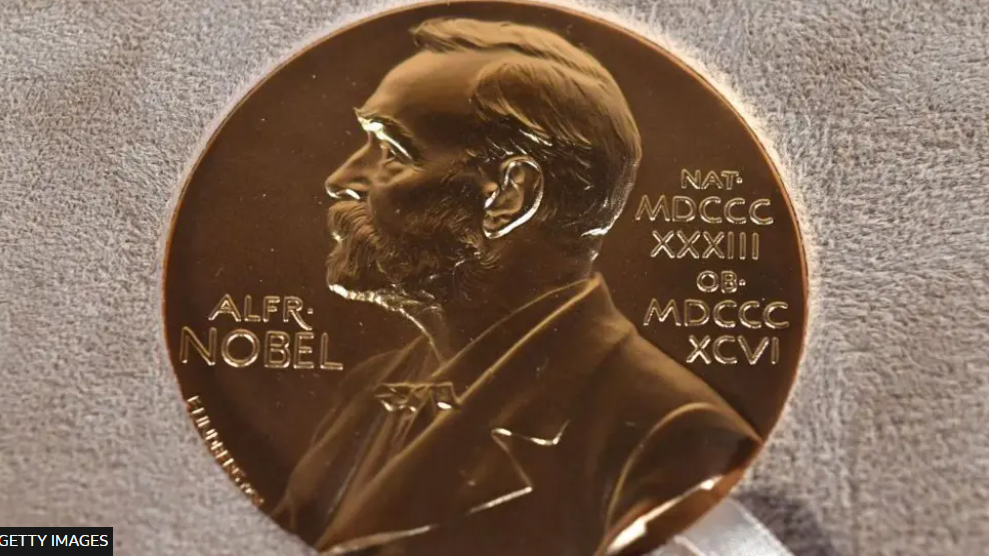
The Nobel Committee announced the award on 19 October 2026, celebrating the breakthrough’s potential to improve drug design, create more sustainable chemical factories, and deepen our grasp of the universe’s building blocks.
Why it matters: Knowing how nature decides handedness helps engineers craft smarter, greener materials and could lead to next‑generation therapies that fit our biology better than ever before.