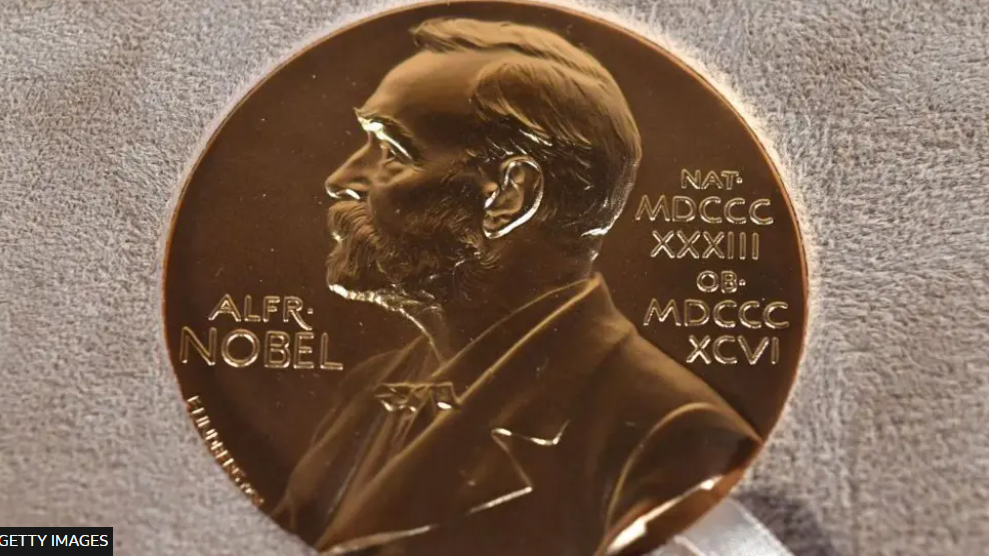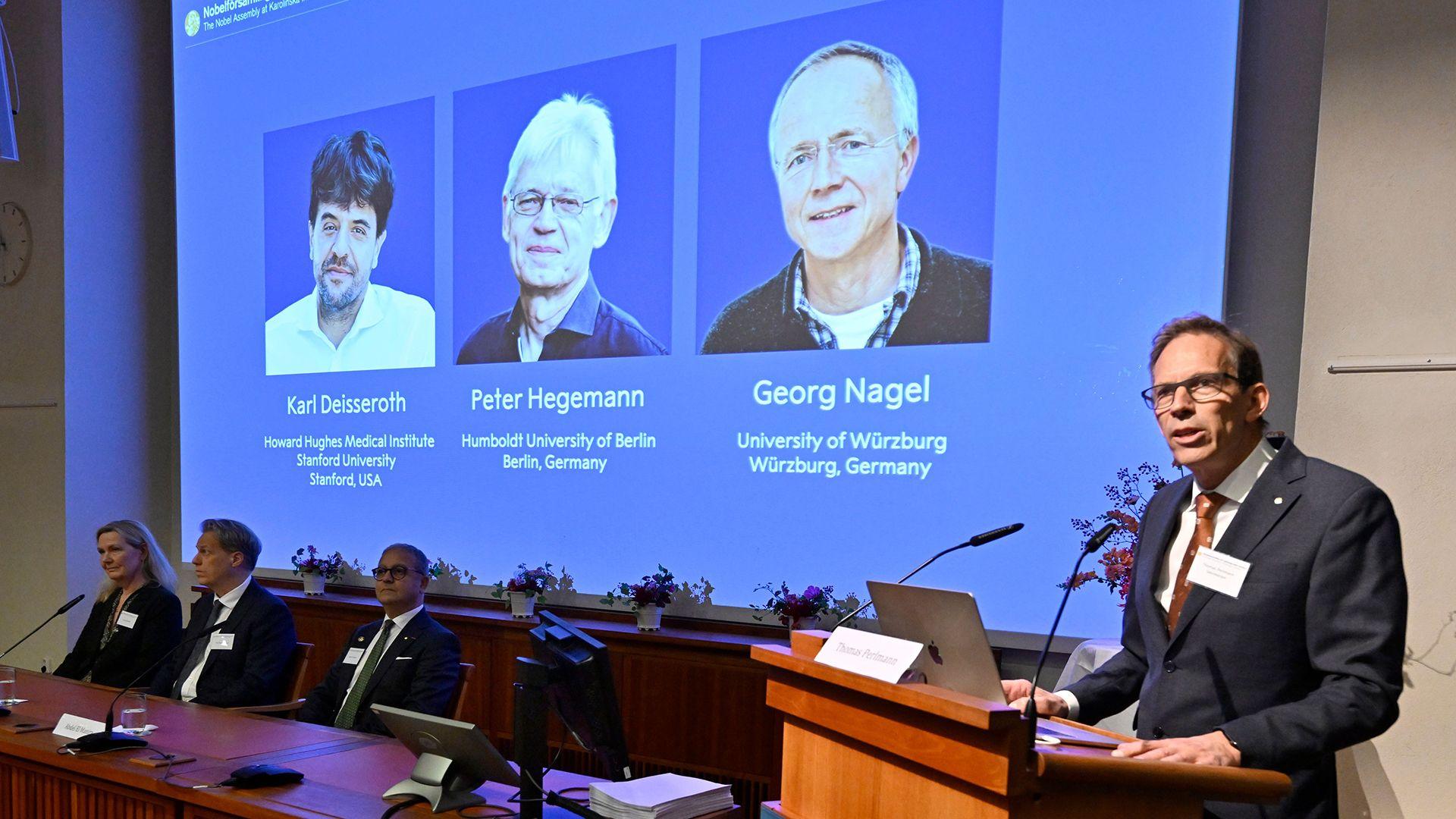
Light is the new brain decoder: Three researchers—Karl Deisseroth, Peter Hegemann and Georg Nagel—have cracked how to use light to turn on and off tiny brain circuits. This win earns them the 2026 Nobel Prize in Physiology or Medicine.
Why it matters
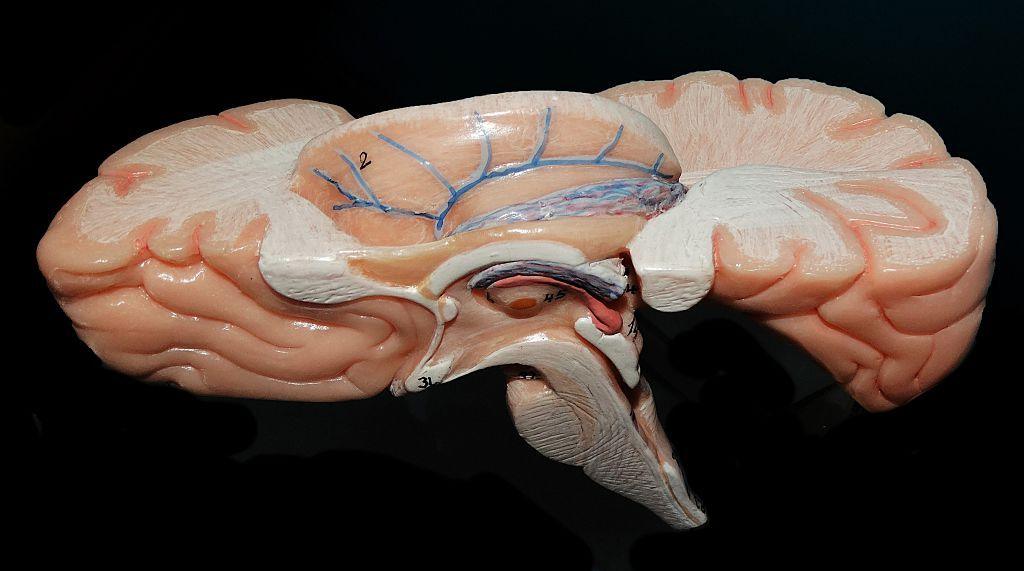
Optogenetics lets scientists find out which neurons are responsible for memories, feelings and even heartbeats—something that was impossible before. Scientists can now switch a specific neural circuit on or off with a flash of light, opening doors to new treatments for mood disorders and more.
Seeing the future
Clinical trials are using the same tech to restore sight in patients with retinitis pigmentosa. By installing a light‑sensitive protein in the eye and wearing special glasses that flash light, people can regain some vision, turning a dark world into a light one.
The Nobel Assembly called the discovery a “new era” in neuroscience and said it brings us closer to solving the mystery of how our brain works.
Want to dive deeper? Explore the Nobel Prize site for more detail.