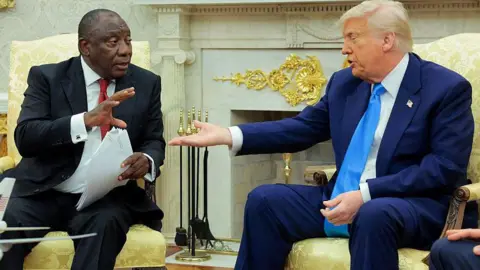
Pakistan's role as an intermediary in the conflict between the United States and Iran has taken many by surprise, but it may not be as unexpected as it seems. The head of Pakistan's armed forces, Field Marshal Asim Munir, is favored by US President Donald Trump, who regards him as an ally knowledgeable about Iran. Pakistan shares a lengthy border with Iran, emphasizing its potential as a diplomatic bridge.
In addition, Pakistan's lack of US military bases and its non-involvement in the ongoing hostilities place it in a unique position among mediators in the Gulf region. There are significant consequences for Pakistan in achieving peace: the country is highly dependent on oil imports, predominantly passing through the Strait of Hormuz, making stability in the region vitally important for its economy.
Despite questions about its credibility, with ongoing conflicts with Afghanistan and India, Pakistan has skillfully navigated its stance, transmitting messages between Iran and the US and hosting talks with other Middle Eastern nations. However, the risk of being drawn further into conflict remains high as tensions escalate.
While Pakistan has much to lose from an ongoing war, it has much to gain too. If successful, it could boost its global standing and showcase its diplomatic capabilities. Observers note that this could potentially set the stage for Pakistan to play a more prominent role in international negotiations moving forward.