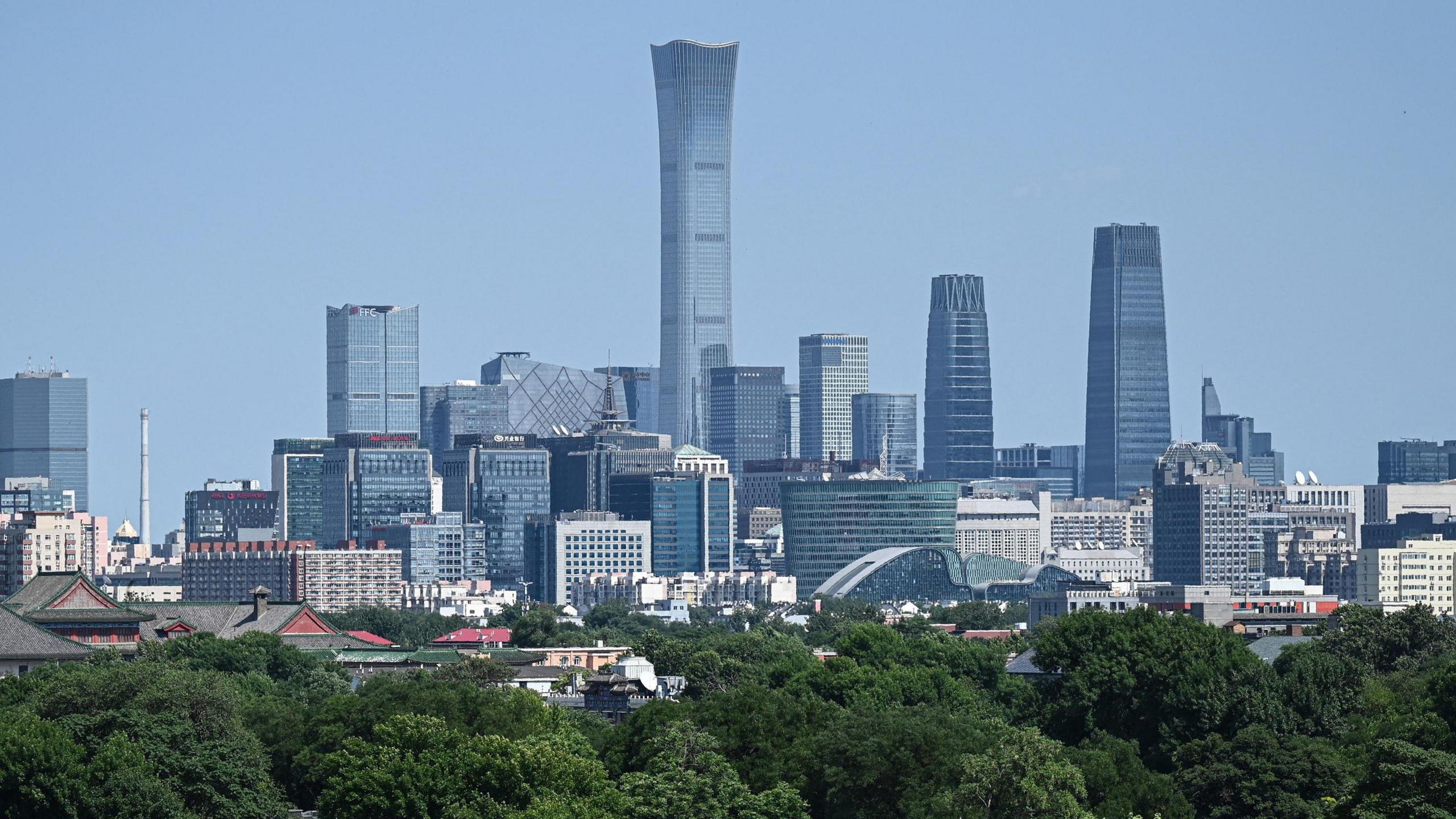
Four days after a small plane slammed into Beijing’s tallest skyscraper, rumors about what happened are louder than any official words. The crash—killing the single pilot and wounding 13—left brick‑covered holes in the 109‑storey CITIC Tower, a building that locals keep in their prayers for good luck.
The Chinese government released only a 60‑word bulletin from Beijing Daily, sparking a void of information. Aviation firms say authorities shut down light aircraft for days, but officials refuse to explain why. Some experts point out that Beijing’s permanent no‑fly zone over its political heart is huge—about 100 km²—yet a tiny plane sneaked close to Zhongnanhai, the leader’s compound.
Officials are also tightening drone rules, demanding registration before they can operate in the city. One analyst called the crash a “massive security breach” that could have extended to a missile‑style attack. Another warned that the incident might hurt top security posts and show cracks in Beijing’s defense system.
Why a two‑seat, single‑engine Aurora SA60L hit a skyscraper? Pilot error? Mechanical failure? Or was it intentional? Some fear the worst, noting that a similar incident in 1987 landed an amateur pilot in the Soviet center and led to high‑level removals. The Chinese censors have even removed unrelated photos of CITIC Tower from social media, showing how quickly and deeply the regime will react.
For younger readers, the story is a stark reminder: even tiny planes can threaten massive power centers, and governments can choose silence over clarity. Stay curious, stay safe—and keep your imagination alive. Feel what? Share your thoughts in the SnapScope community chat!