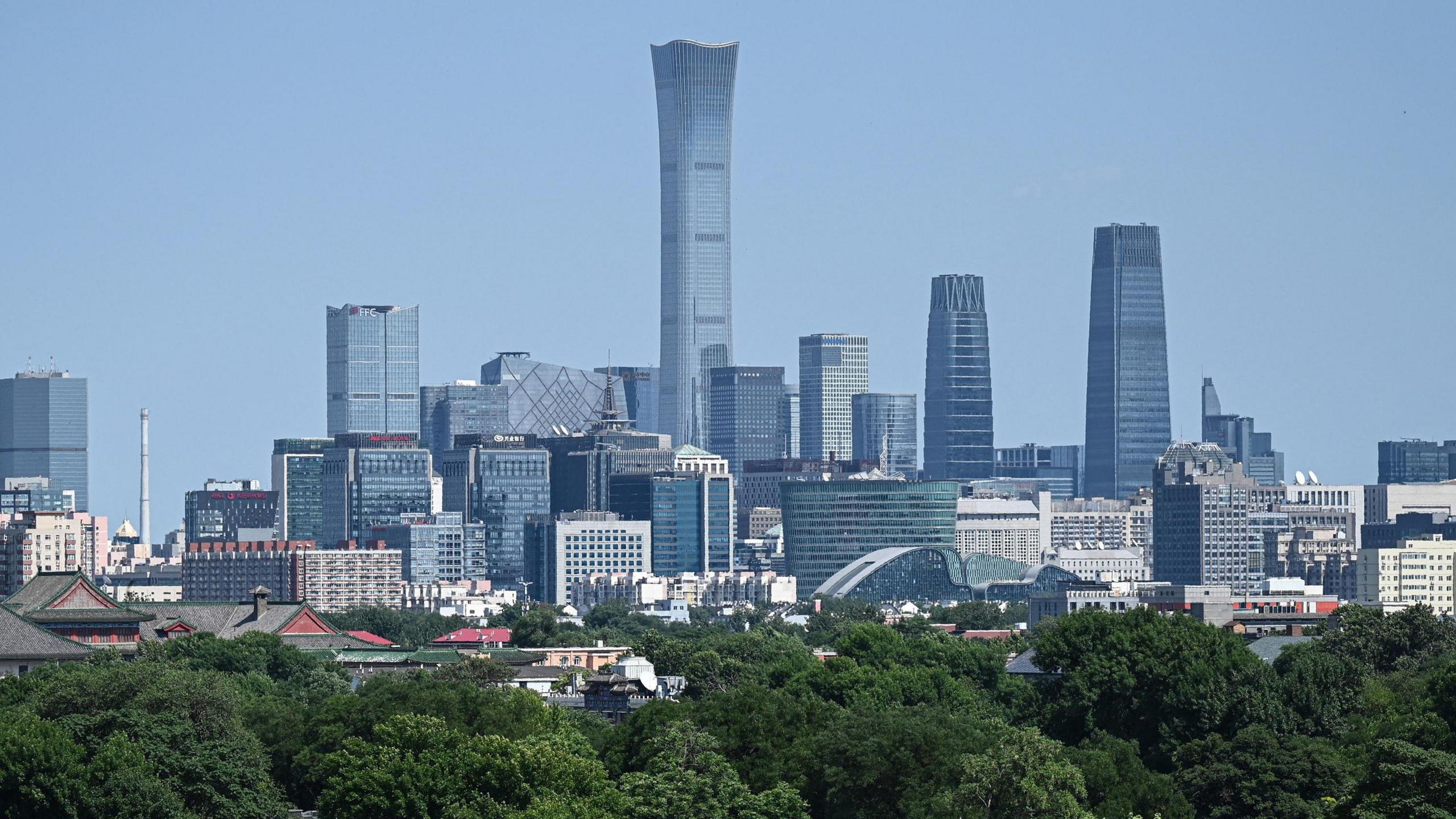
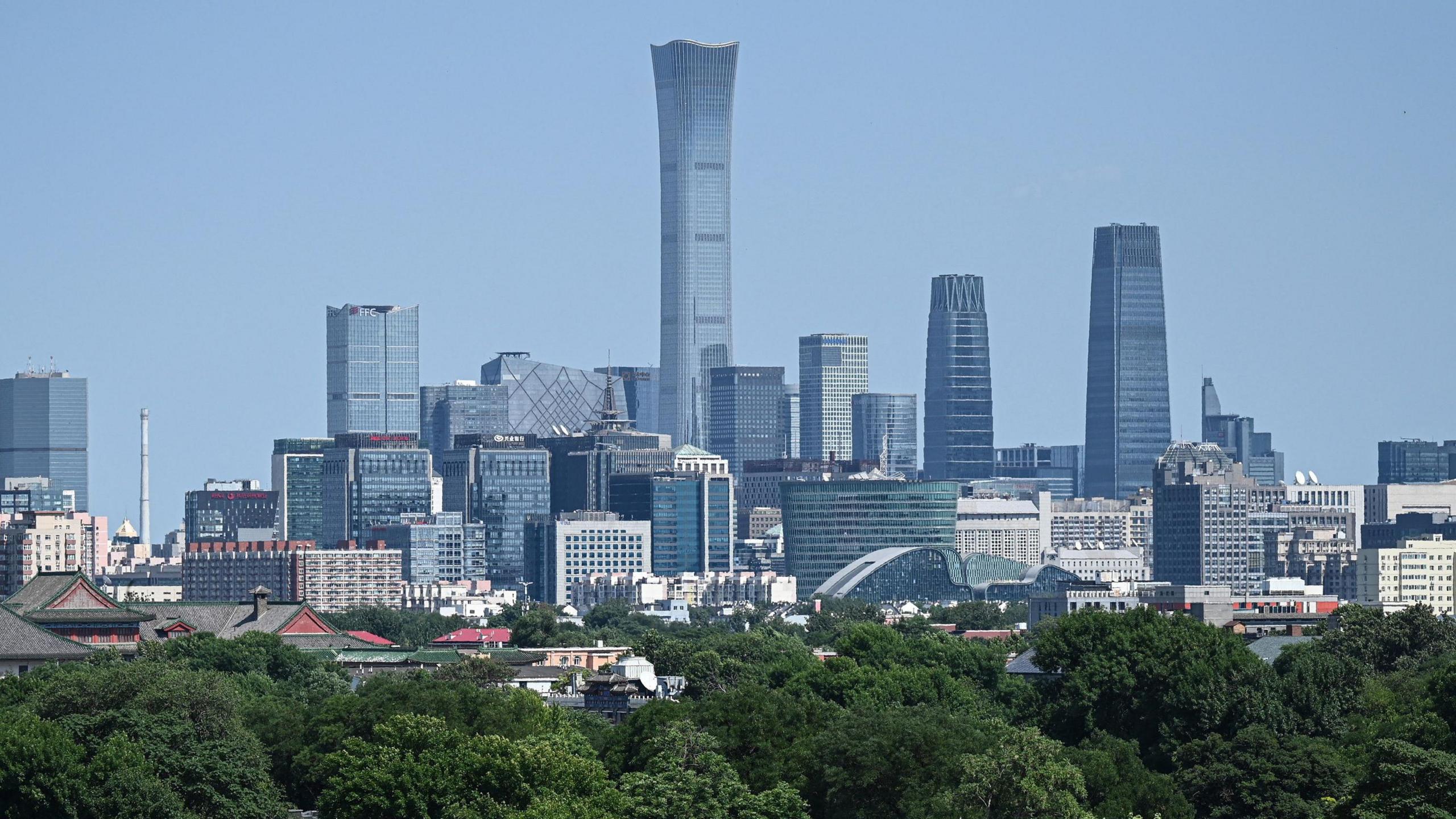
Beijing’s skyline hit by a plane trailblazer: the story the government isn’t ready to share
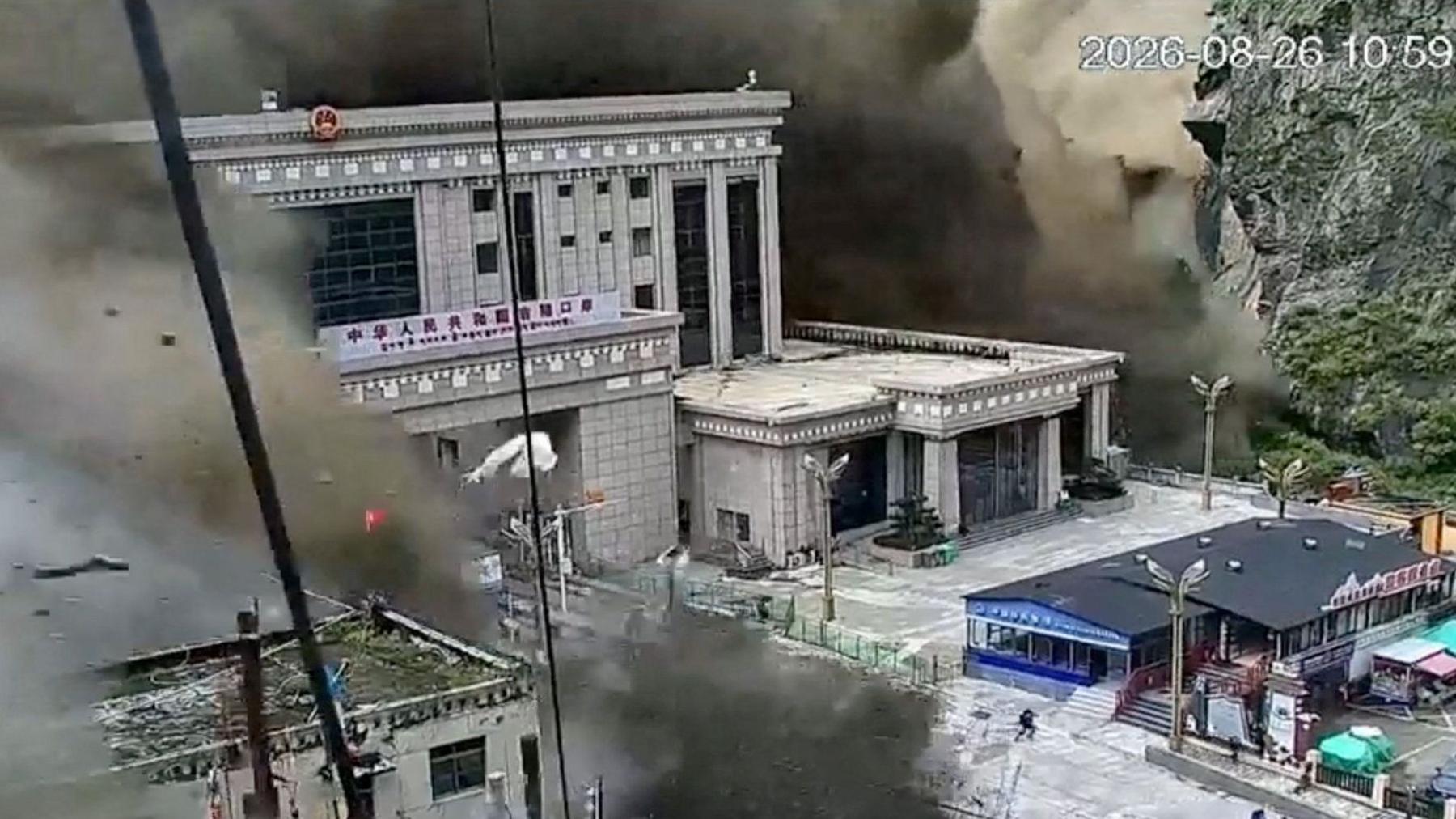
Four days after a small plane slammed into Beijing’s tallest skyscraper, the pilot was killed while 13 others were injured, leaving a hole in the side of the 109‑storey CITIC Tower.
The only official statement from Beijing Daily is a bare‑bones 60‑word report. State‑owned newspapers and the government have removed footage and images from the internet, and they’ve quietly grounded light aircraft operations, though they refuse to explain why.
While the incident occurred just a few kilometres from Zhongnanhai – the heavily guarded compound where China’s top leaders live and work – the ship of a single‑engine Aurora SA60L managed to breach the 100‑sq‑km no‑fly zone that covers Tiananmen Square and the political core.
Security analysts say this is a rare security lapse. It risks embarrassing the Party’s narrative and could prompt high‑level personnel changes. Critics point out that it is reminiscent of Soviet pilot Mathias Rust’s 1987 flight into Red Square and the 2001 9/11 attacks, heightening fears of a future drone or missile breach.
In the weeks since the crash, Chinese social media has scrubbed photos of the CITIC Tower, a local landmark often featured in wedding and graduation photos. Comments from scholars note that “this is a highly unusual incident” that “calls into question government competence”.
The young crafters: what the plane was and what it did.
The aircraft was an Aurora SA60L, a two‑seat, single‑engine plane from Sunward Aircraft. It’s designed for touring, aerial photography, and recreational use. Current accounts from aviation firms say the incident was followed by a sudden policy to ground light aircraft, but the exact driver remains unclear.
Article source: BBC News. Video of the crash: Watch: Debris falls after plane hits Beijing's tallest building.
Published: 1 July 2026, 00:24 BST.