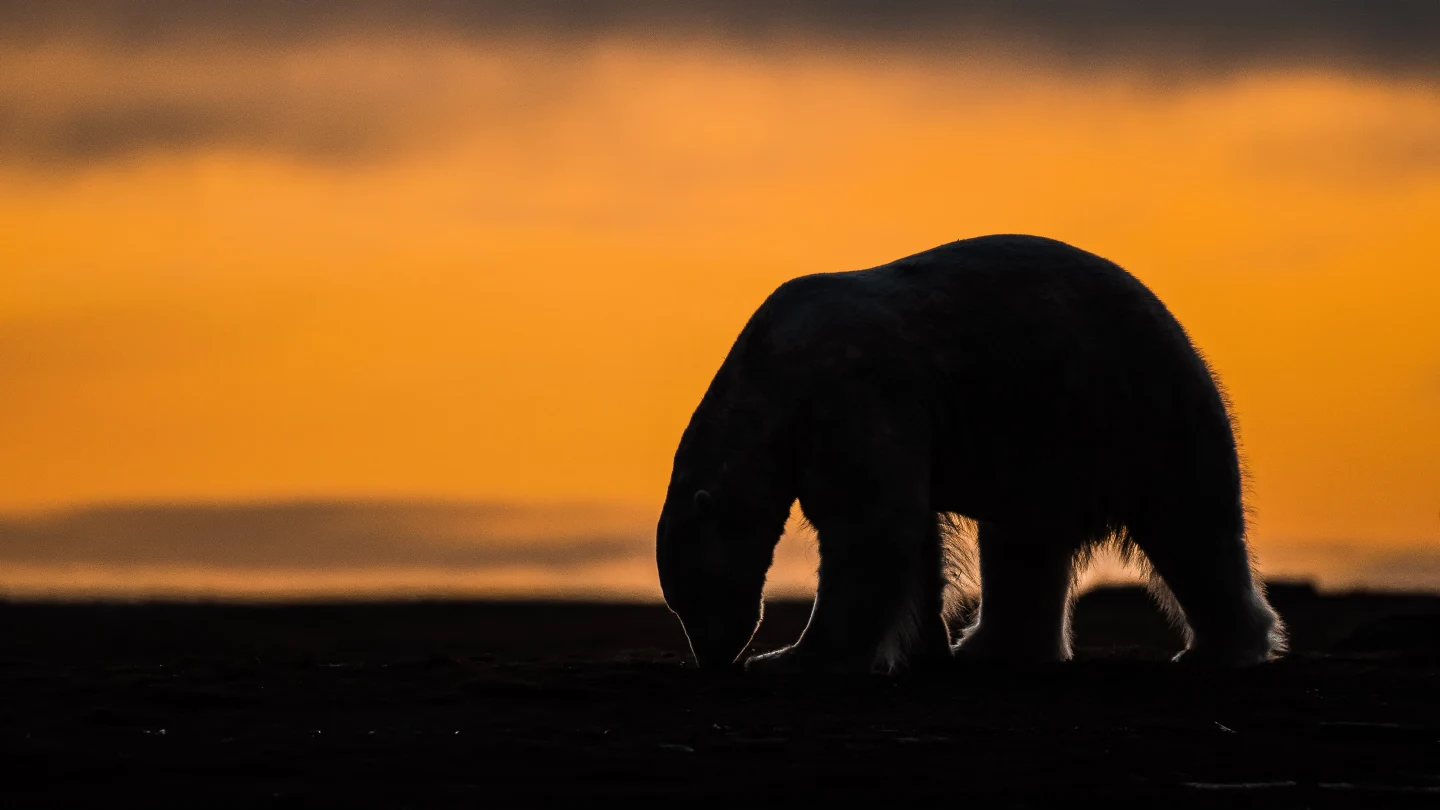
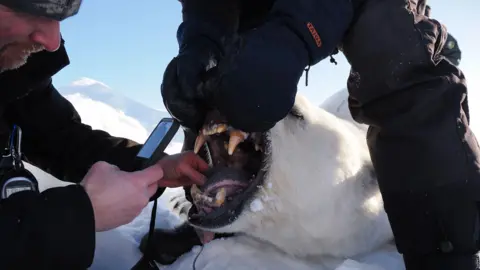
Scientists expected the opposite, but polar bears in the Norwegian Arctic archipelago of Svalbard have become fatter and healthier since the early 1990s, all while sea ice has steadily declined due to climate change. Polar bears rely on sea ice as a platform from which to hunt seals that provide blubber-rich meals essential for energy and insulation. Researchers weighed and measured 770 adults in Svalbard between 1992 and 2019, noting a significant increase in bear fatness. The bears seem to have adapted to ice loss by consuming more land-based prey, including reindeer and walruses, which have rebounded since gaining legal protections. This surprising discovery challenges previous assumptions about the impact of climate change on polar bears. However, while this is current good news, researchers warn that as ice continues to decline, bears may have to travel farther to hunt, using more energy and depleting their fat reserves. Long-term survival will depend on the availability of sea ice.
Polar Bears Thriving on Ice-Loss Diet in Norway
Polar Bears Thriving on Ice-Loss Diet in Norway
Despite declining sea ice due to climate change, polar bears in Norway's Svalbard archipelago are becoming healthier and fatter, thanks to a shift in their diet towards land-based prey.
Recent research reveals that polar bears in Norway's Svalbard archipelago are thriving even as sea ice diminishes. Over two decades, scientists found that these bears have grown fatter and healthier by adapting their diet to include more land-based animals, like reindeer and walruses. This surprising phenomenon suggests that while climate change is challenging, certain polar bear populations may exhibit resilience. However, experts caution that this increase may not be sustainable long-term as the ongoing ice loss poses serious future threats to their survival.