In brief
In Durán, Ecuador, Police Captain Jean Carlos Bustamante leads a hand‑picked team that confronts drug‑involved gangs amid a backdrop of corruption and violence. He reports that police raids are showing a measurable impact, cutting the murder rate almost in half, yet the gangs still possess vast resources and infiltrate government ranks. Treasure troves of weaponry are found during raids, showing the constant push and pull between law‑enforcement and organized crime. Local testimonies reveal a grim picture: the gangs recruit teenagers and provide an outlet for an endless cycle where each victory only yields a new threat. The story highlights the harsh reality that losing a leader can spark a brutal revenge war, leaving whole neighborhoods fearful and torn.
Police vs Gangs: Inside Ecuador's Drug Wars
In the city of Durán, Ecuador, armed police teams clash with gangs that control the drug trade, face corruption inside their ranks, and terrorise local residents. Captain Jean Carlos Bustamante (age 34) describes a war of attrition in which every raid pulls out firearms and ammunition, but gangs continually acquire more wealth and weapons.
“We have many bad people inside our unit, inside the state, inside politics,” Bustamante says. He stresses that only the officers he “hand‑picked” are trusted, and he leads the group into shadowy neighbourhoods where windows are barred and the streets echo with fear.
During a recent operation they breached an abandoned house, using a battering ram to get inside. 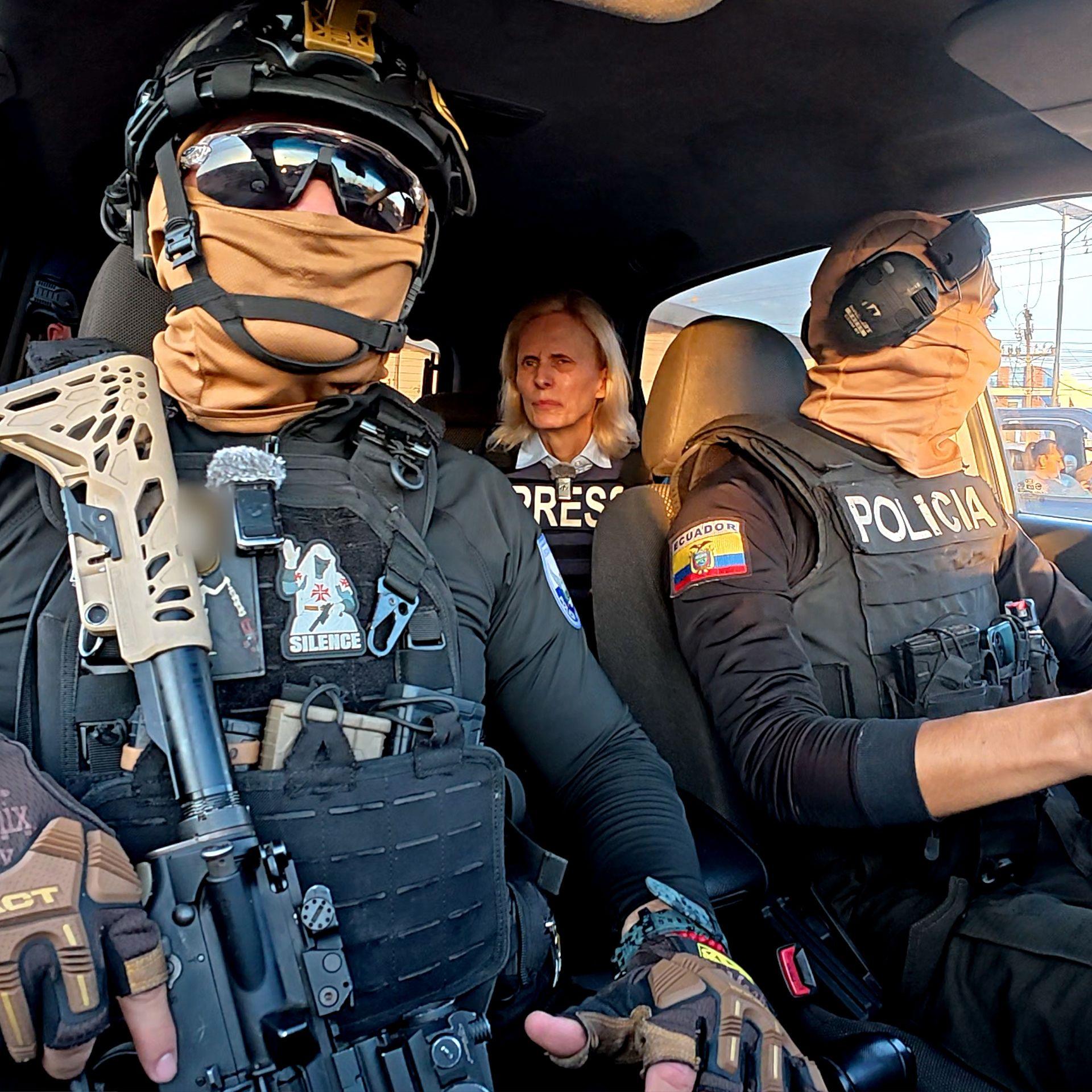
Yet the gangs are “buying laws, judges, and politicians,” says Deputy Commander Santiago Gavilanez. Licit enforcement has been undermined when officers accept bribes that fund gang operations, fueling a vicious loop of retaliation and crime.
Statistical evidence shows the homicide rate in Ecuador surged over the last decade. The bar chart below visualises how violent deaths tripled between 2021 and 2023, with ostentation of new data for 2025: 
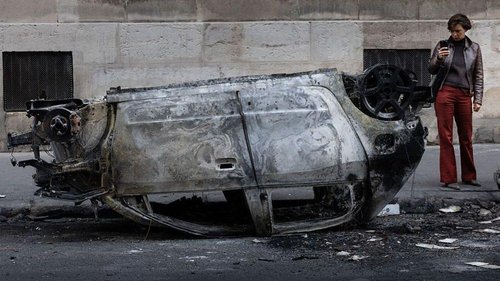
Despite journalists calling for systemic change, many residents experience the cruel reality of daily terror: shoppers whisper as a bullet whizzes past, blocking roads after 7pm, and grieving families mourn unseen in the dark. The police note an improvement: streets are now less deserted after dusk, and bodies are less frequently beheaded or dismembered—evidence that law enforcement is gradually gaining ground.
The story concludes with an eye on the future: survival for law‑enforcement officers and gang members is no different—both face a war that may never tilt. While the government’s crackdown curbs some violence, the deep conflict with gangs appears ensnared, a cycle that will likely persist until systemic corruption is eradicated.