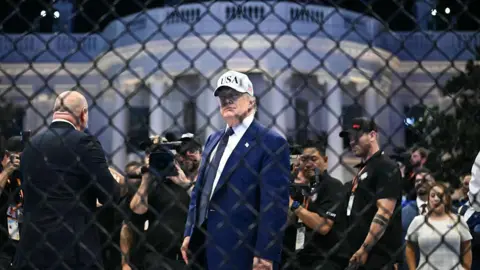
In recent years, political rhetoric has taken a more vulgar turn, with leaders like President Trump frequently using profanity. What was once a taboo in political discourse has become more commonplace, sparking debates about its implications for society and the political landscape.
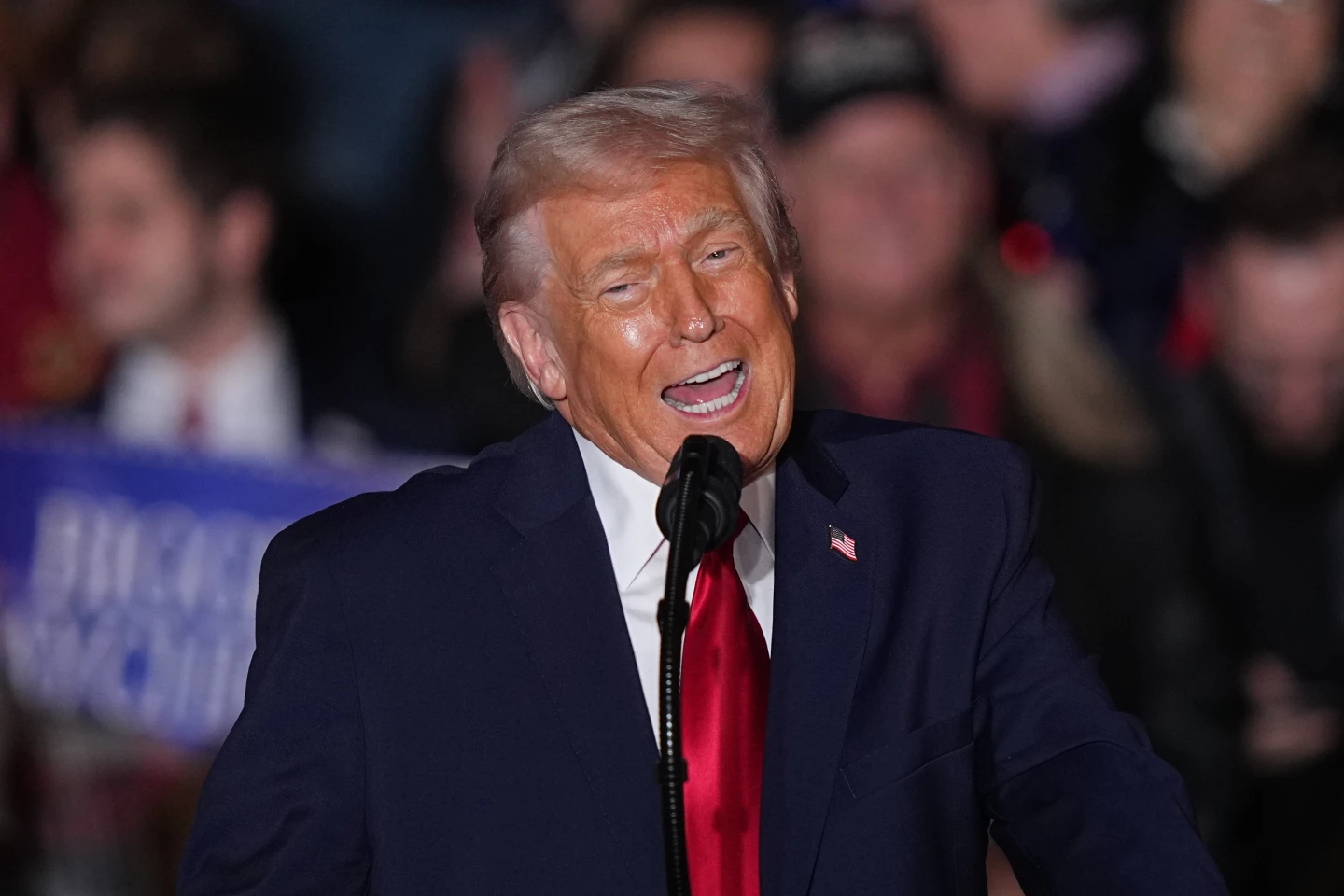
During a Pennsylvania rally, Trump dropped the F-bomb multiple times, openly admitting to derogatory comments about other countries and calling drug smugglers harsh names. This trend of using harsh language is not limited to Trump—other politicians, including Vice President JD Vance and former Vice President Kamala Harris, have embraced a more aggressive style of communication.
Political experts argue that this shift could signify a deepening coarseness in public conversations, partly fueled by social media platforms that reward shocking statements with high engagement. Critics caution that overusing such language may lessen its impact, leading to a more desensitized audience.
As the 2026 midterms and 2028 presidential elections loom, there's speculation about whether leaders will continue to adopt such language, and whether it will resonate with voters. Some politicians warn that relying on vulgarity may distract from genuine communication and policy discussions.
It's clear that as younger generations engage with political content in new formats, they will have to navigate these dynamics, assessing the fallout of a conversation style that many hope to be just a passing phase.