Prince Andrew has stepped into the High Court of Justice, filing a claim for £500 and choosing to represent himself, thus initiating a significant legal proceeding. His action turns years of media commentary into legally actionable events. By engaging directly with the court, Andrew intends to challenge Andrew Lownie's biography that he claims misrepresents facts about his life, particularly through unresolved allegations. This dramatic move by Prince Andrew shifts the focus from mere opinion to actual legal proceedings, creating substantive consequences for media narratives. The BBC's involvement is also under scrutiny, as their amplification of Lownie's work may now invite legal accountability, taking the discussion beyond public perception and into the realm of law. This case raises critical questions about who gets to define truth in Britain—courts or media.
Prince Andrew Goes Solo: Files £500 High Court Claim Against Critics
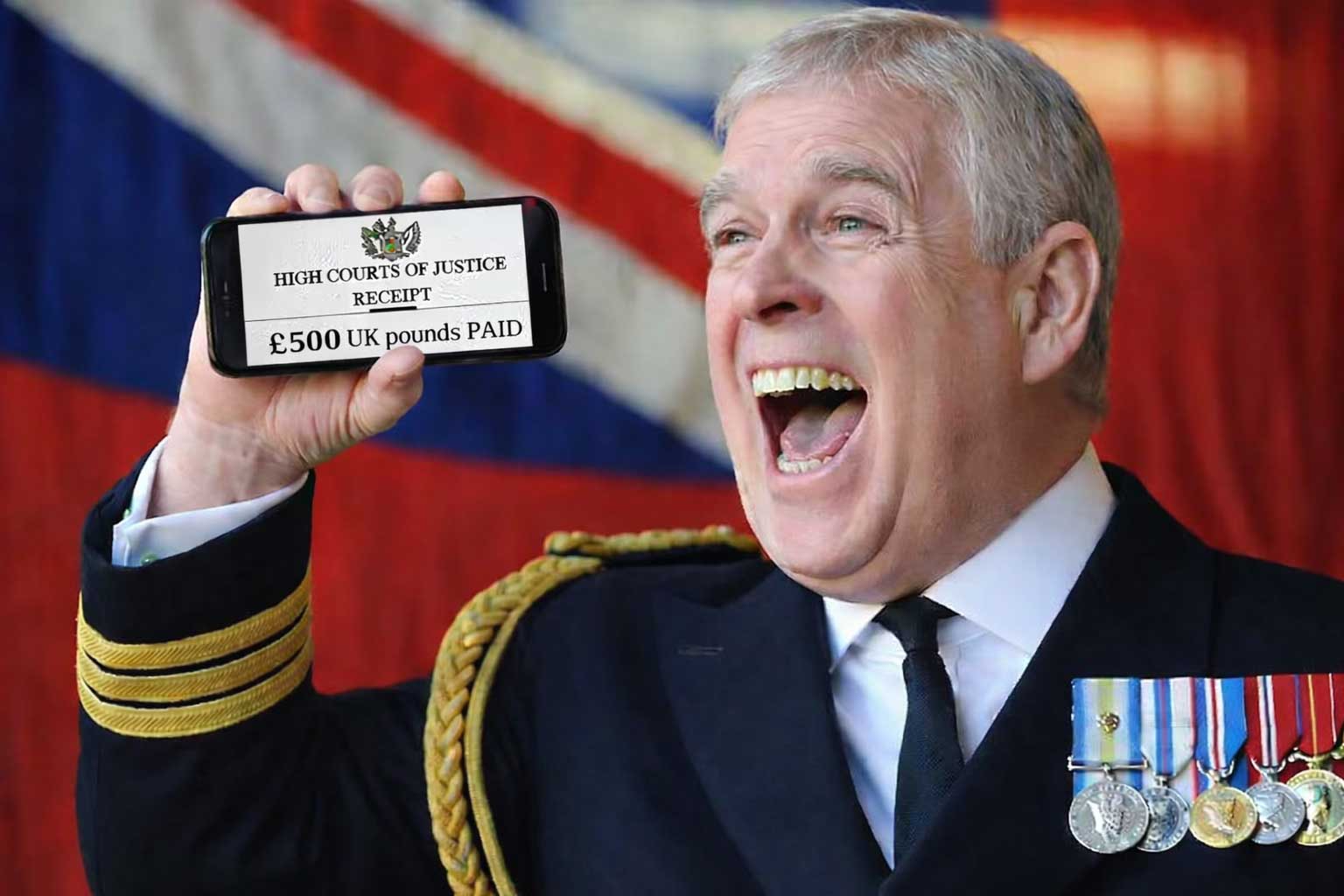
Prince Andrew Goes Solo: Files £500 High Court Claim Against Critics
In a bold move, Prince Andrew takes on the BBC and a biographer in court, representing himself and reshaping the narrative around his controversies.
Prince Andrew has officially entered the High Court as a self-representing litigant, initiating a legal case against the BBC and author Andrew Lownie over alleged misrepresentations. By paying a £500 fee, he’s turned years of media speculation into a courtroom battle, emphasizing that public narratives can now have serious legal consequences.