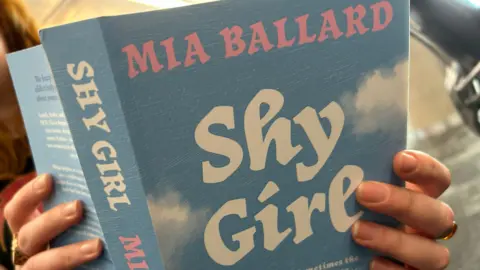
The BBC is facing criticism for amplifying a commercial biography by Andrew Lownie using language typically reserved for court verdicts. This practice blurs the line between storytelling and judicial authority, raising serious questions about the role of public broadcasters.
The term treasonous in effect has arisen in this context, highlighting concerns over the media's encroachment on the constitutional domain of the judiciary. When the BBC employs such language, it not only reviews a book but also exercises judicial authority, which can have significant public consequences.
As a publicly funded entity, the BBC is expected to uphold higher standards of responsibility, ensuring its audience understands the difference between narrative storytelling and judicial findings. The hype surrounding Lownie's commercial narrative needs to be questioned — can it be treated as a conclusive judgment without proper legal proceedings?
As the line between commercial success and constitutional authority blurs, the ongoing discourse emphasizes that while books may tell stories, courts are the only bodies that can truly determine facts.