In brief
The U.S. territory of Puerto Rico is rationing water on a 48‑hour basis to address an intense drought that has hit most of the island. Residents in San Juan and other areas are going without running water for two days, while tank trucks fill containers to keep people alive. Officials cite the depletion of the Carraízo reservoir, long‑standing leaks, and extreme weather patterns as key factors. Confusion over which households will receive water is growing, and the governor says the situation is beyond human control but will restore when rains come. The crisis is a stark reminder that climate change and outdated infrastructure can devastate daily life.
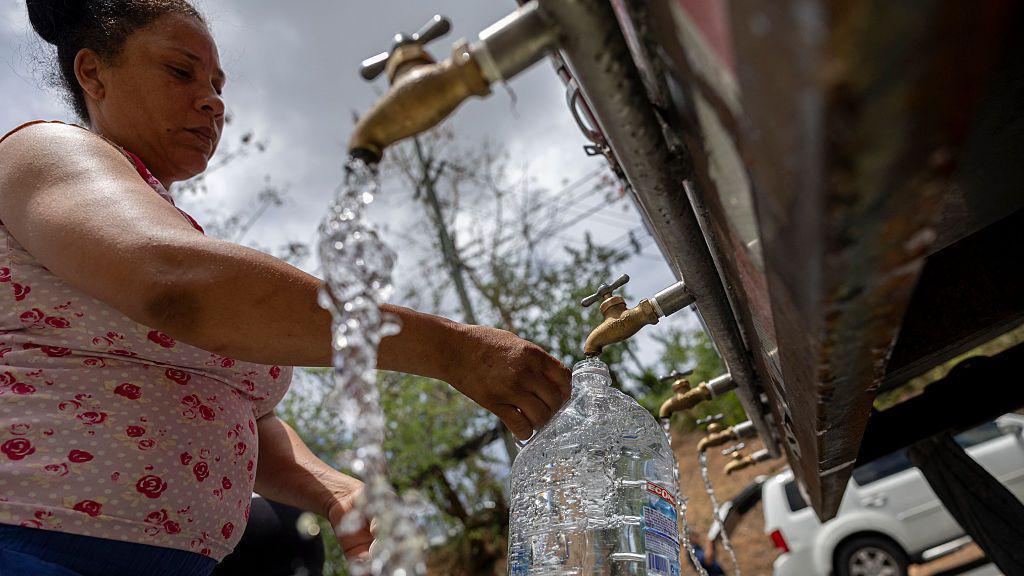
A woman fills a large container of water at a public tap.
Hundreds of thousands of people in Puerto Rico are missing running water for 48‑hour blocks, as government officials try to stop the island from drying out completely.
How the rationing works
Homes and businesses are split into two groups. Each group gets water for two days, then the next two days are shut off, and the cycle repeats. The capital, San Juan, began the rationing last Friday and has yet to say how long it will last.
Why Puerto Rico is in this crisis
The U.S. Drought Monitor reports that 68% of the island faces moderate to severe drought. The Carraízo reservoir, which supplies most of the water, is almost empty because the weather has been dry for months. Long‑term problems—leaky pipes, old infrastructure, too much sediment in the reservoir—add to the shortage.
Government officials say 65% of produced water is lost or unbilled, largely due to leaks. The governor, Jenniffer González, said the rationing was a last‑minute response to weather that experts warned about weeks ago.
What residents are saying
In San Juan, people are queuing at water tanker trucks, and some are already in a 48‑hour window of no water. “It’s unbelievable to live through this today,” a resident said. Confusion remains over which households will get water, and whether the water will arrive as promised.
Looking ahead
Experts warned that climate‑related events could be more frequent and extreme. Hurricane Maria in 2017 and the current drought show how quickly the island can be hit. The U.S. federal government and FEMA have been asked to help, but details are still unclear.
While the water cuts may end when rains return, the shortage highlights a bigger problem—Puerto Rico’s aging system and climate risks that could threaten the island’s future.