In brief
A Nebraska rancher lost 1,600 acres in a wildfire and faces $300,000 extra fence a‑day. Rising diesel from the Iran conflict and steel tariffs add to already steep costs. An executive order allowing 300,000 tonnes of duty‑free foreign beef flattens the market further, making many ranchers feel betrayed. Despite the strain, some still support Trump’s brand of “Buy American,” while others are re‑examining their political loyalty. The sector’s resilience shows that, even amid rising challenges, farming life continues in the heartland.
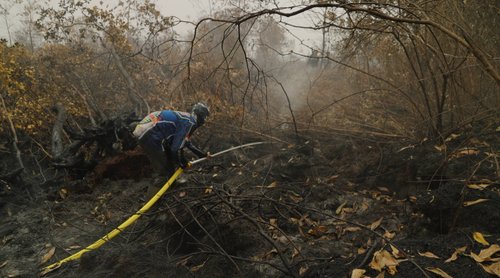
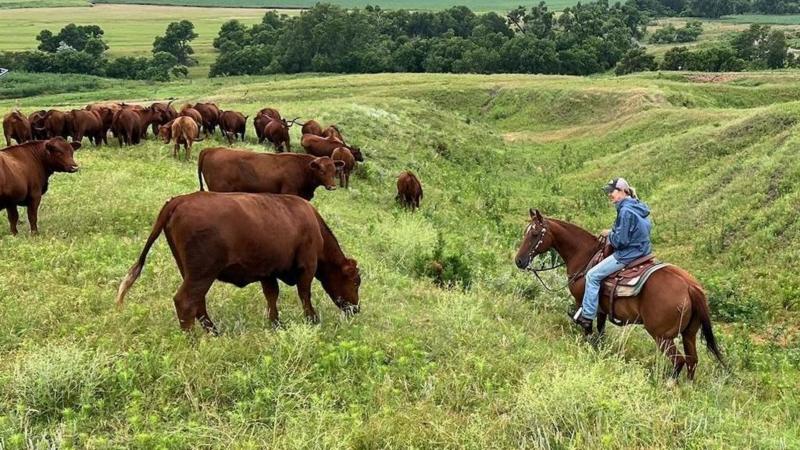
A 63‑year‑old Nebraska rancher experienced a rough year before corporate policy intervened. In April a wildfire razed 1,600 acres and 13 miles of fence on her property. The cattle survived, but new fencing required a cost of roughly $300,000 as steel rose to record highs a decade after Trump imposed tariffs.
Running diesel at 40% higher prices, a flare‑up in the Iran region, added another daily burden. Delivering hay across the ranch now costs more than ever, squeezing the margins of small and medium‑sized operators who depend on fuel for tractors, generators and trucks.
Trump’s August decision to import 300,000 metric tonnes of duty‑free foreign beef took the market by surprise during the peak sale window for US calves. The flood of cheaper cattle made domestic prices collapse overnight, leaving ranchers with fewer margins and fewer opportunities to turn a profit.
It Felt Like a Betrayal
She said the “Buy American” message was missing when enough foreign beef entered the market, and many in the local community feel the same. While most Nebraska voters backed Trump in the last election, his recent action spurred doubts about his economic leadership.
Some farmers, like a 45‑year‑old feedlot owner from Lexington, shout criticism of state and federal policies that overhaul the industry. Those rivals carry a lingering hope that battle plans may change with future elections, but their current financial planning looks bleak.
People Still Vote the Same Way
Despite the economic pressure, a strong wave of traditional conservative values remains. Beliefs on health care and social issues keep the lineup of supporters intact, while some agriculture regions note that “they are still strong Republicans, but not Trump loyalists.”
The story of ranchers shows that business managers across Nebraska will keep operating. A resilient supply chain, community support and a deeper sense of duty help keep the state’s economic backbone intact. They see the industry as a perpetual possibility for new farmers in the future, amid uncertainties and gasoline tables that keep rising.
While expectations for a quick‑fix may have faded, the ranching community is still looking ahead to a new season of produce, demand and campaigns. The question remains: will new policies bring relief or further drama for the heartland’s staple industry?