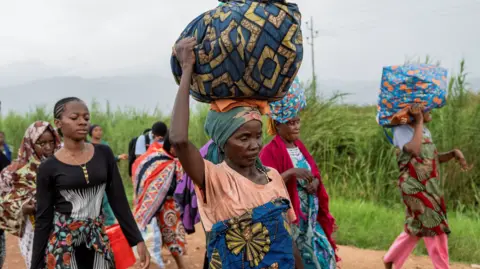
Thousands of refugees from the Democratic Republic of Congo are facing harsh realities as they escape violence in their homeland. Nearly 90,000 people have crossed into Burundi following intense fighting in the eastern regions, notably around Uvira, where Congolese M23 rebels have intensified their actions. Aid agencies like MSF warn that conditions in the refugee camps are dire, with limited food and water available.
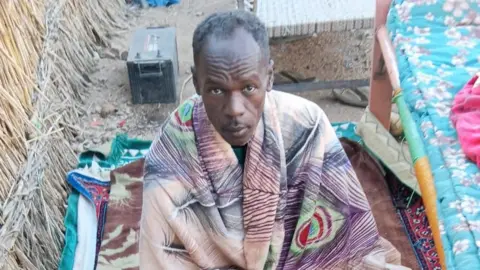
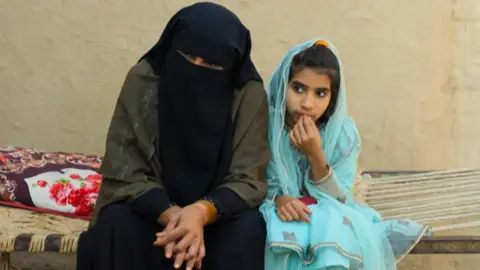
The humanitarian situation has been exacerbated, particularly affecting women and children, many of whom report going days without food. MSF has become a critical lifeline, treating approximately 200 patients daily for ailments arising from their unsafe and overcrowded accommodations. As refugees grapple with despair and exhaustion, the threat of epidemic diseases such as cholera, measles, and malaria looms larger.
In response, the UN's World Food Programme is ramping up efforts to deliver aid to vulnerable populations, managing to provide meals for those arriving in Burundi. However, the need for more resources is urgent as health services in the affected regions of South Kivu remain on the brink of collapse.
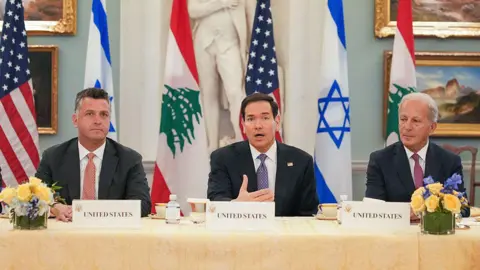
The conflict in DR Congo continues to evolve, with the US attempting to mediate peace through a complex relationship involving Rwanda, while the rebels assert their claims amidst ongoing territorial battles.
The humanitarian situation has been exacerbated, particularly affecting women and children, many of whom report going days without food. MSF has become a critical lifeline, treating approximately 200 patients daily for ailments arising from their unsafe and overcrowded accommodations. As refugees grapple with despair and exhaustion, the threat of epidemic diseases such as cholera, measles, and malaria looms larger.
In response, the UN's World Food Programme is ramping up efforts to deliver aid to vulnerable populations, managing to provide meals for those arriving in Burundi. However, the need for more resources is urgent as health services in the affected regions of South Kivu remain on the brink of collapse.
The conflict in DR Congo continues to evolve, with the US attempting to mediate peace through a complex relationship involving Rwanda, while the rebels assert their claims amidst ongoing territorial battles.