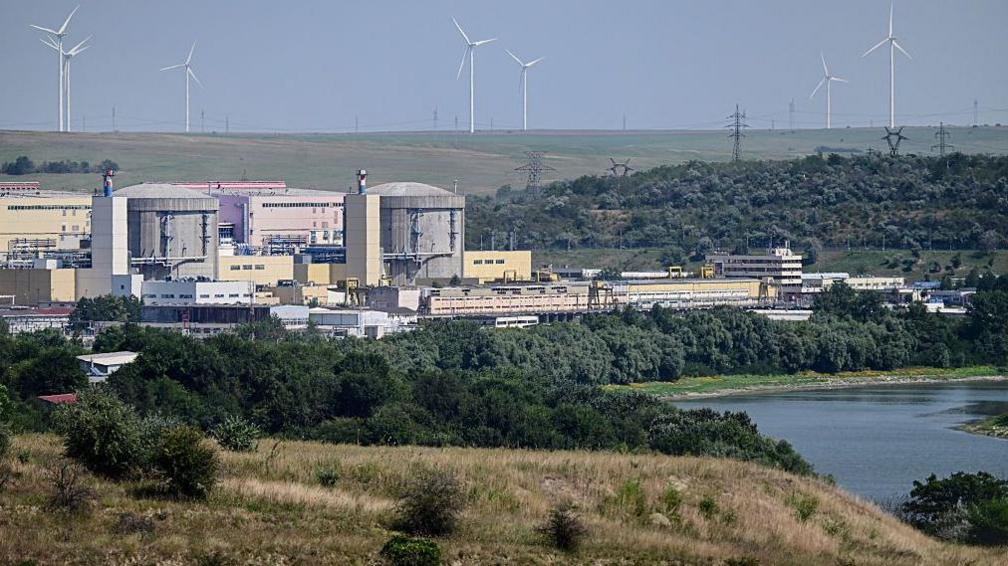
When the Danube’s water level fell because of a brutal heatwave, the Cernavodă nuclear plant in Romania had to turn off its only operating reactor. The plant, which normally feeds about 20 % of the country’s power grid, will be offline for at least ten days.
Romania had tried barging in rocks to push the river’s current up but the cool‑water needed for the reactor could not reach the cooling nozzles. Hungary’s Paks plant is still alive, but its own Danube‑water‑based cooling is under threat too.
The shutdown shows how heatwaves and dry rivers can spill over into energy crises. Solar and wind take the lead on sunny days, but the night‑time demand will push Romania to import power.
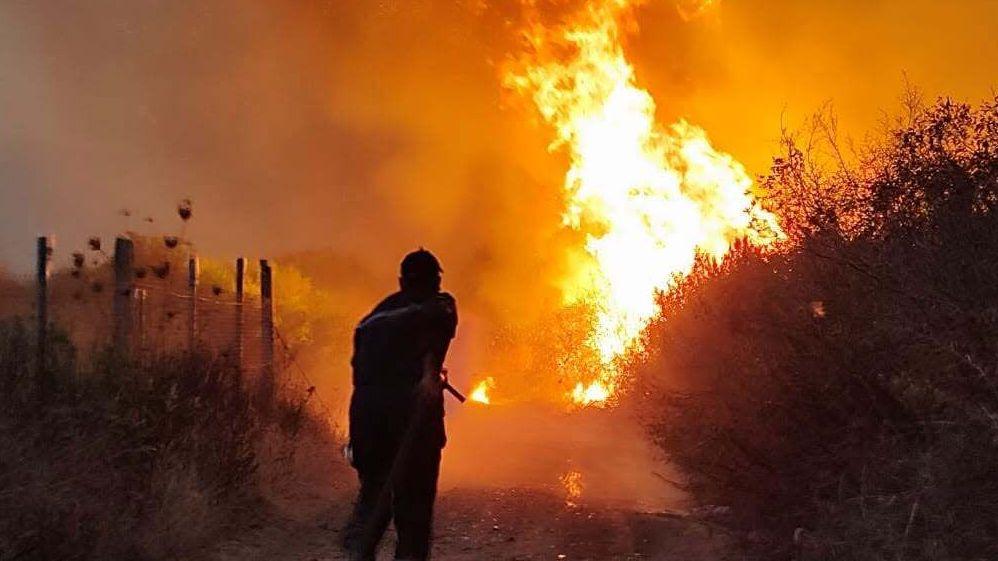
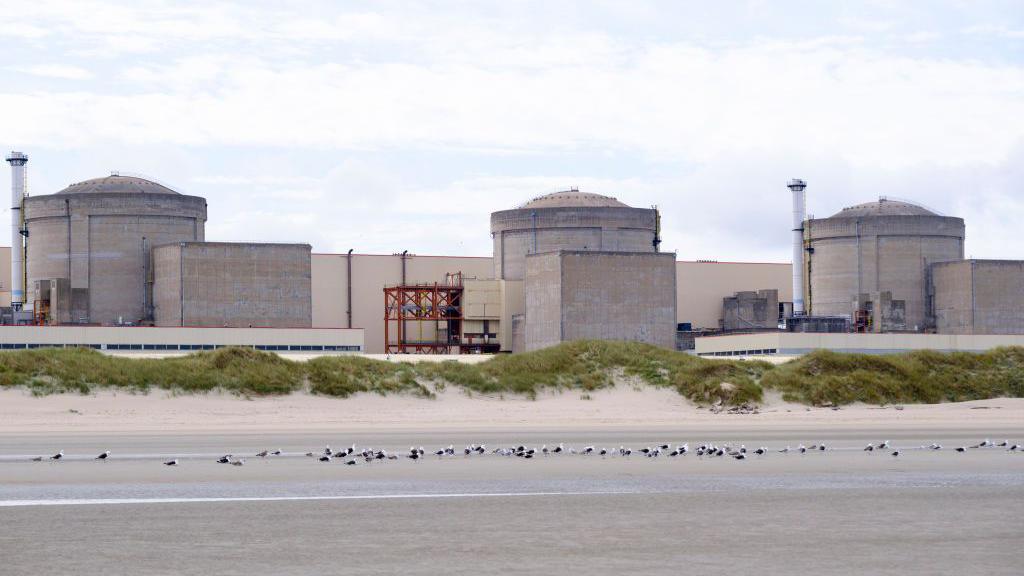
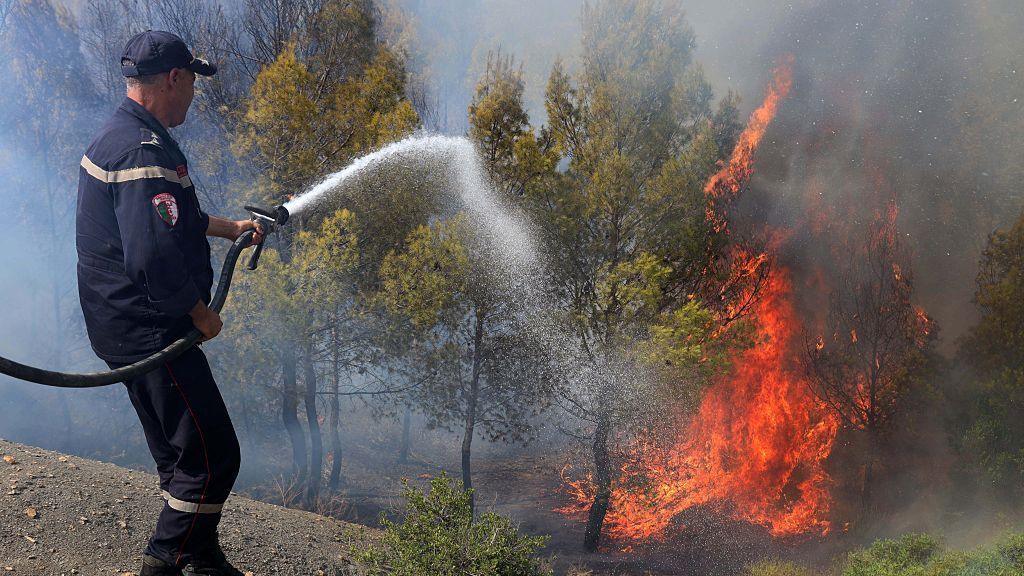
Across Europe, the Rhine and other rivers are dropping to historic lows, making it harder for nuclear plants and shipping traffic. Climate scientists warn that higher temperatures are twice as fast in Europe as the global average, pushing more heatwaves, droughts and wildfires.
Energy experts say the Romanian shutdown and the potential risk to Paks mean that Europe’s energy future is tied to water—and to the climate’s future. For now, people and investors are watching the Danube carefully.