In brief
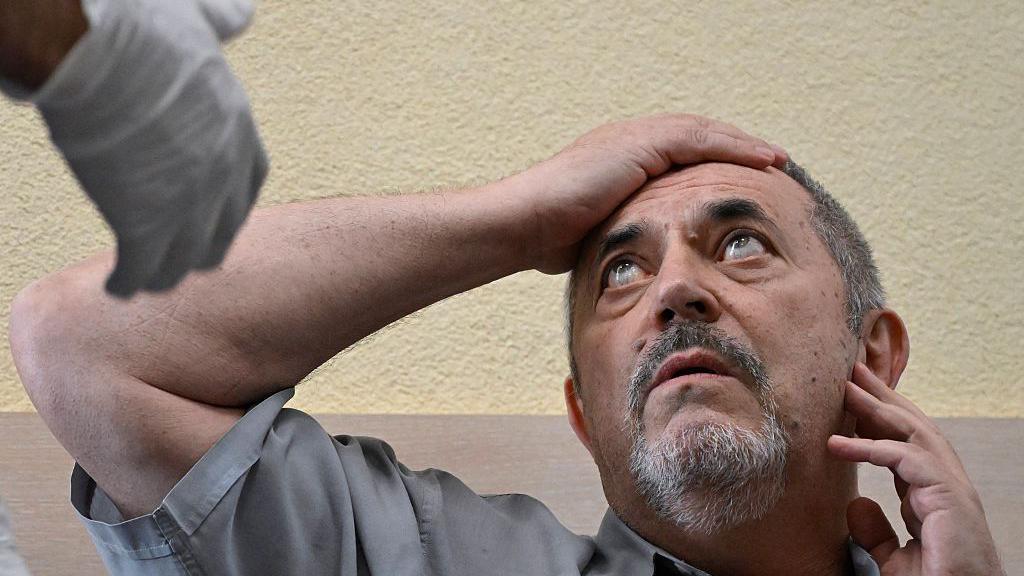
The Kremlin stepped up its crackdown on critics by imprisoning the outspoken blogger Ilya Remeslo, who had turned against Putin in March 2026, and by convicting former parliamentarian Boris Nadezhdin of displaying extremist symbols, a sentence that bars him from gathering signatures for the upcoming Duma elections. Remeslo is held on charges of spreading false information about the military and faces a two‑month pre‑trial detention. Nadezhdin, whose anti‑war campaign was previously disqualified for technicalities, was fined 1,000 roubles and can still appeal. With fewer opposition figures remaining, many Russians have fled abroad and the death of Alexei Navalny has silenced dissent. Polls indicate Putin’s popularity has dropped to about 66%, heightening fears of a destabilised regime.
Russian authorities tightened the clamp on dissent by detaining a prominent blogger, Ilya Remeslo, and preventing a pro‑peace politician, Boris Nadezhdin, from running for parliament.
Remeslo, who once supported President Vladimir Putin, shocked the media with a March 2026 Telegram post calling the leader a "war criminal and thief." He was arrested for spreading false information about the military and remanded for two months.
Nadezhdin, 63, had earlier tried to run on an anti‑war platform but was barred because electoral authorities deemed his signatures defective. The recent conviction for displaying extremist symbols now bars him from collecting signatures for the September Duma race and fines him 1,000 roubles; he can still appeal the ruling.
With few independent oppositionists left in Russia, many activists have fled abroad and the sudden death of Alexei Navalny in 2024 has further silenced protest. The death was officially attributed to natural causes by the state, though several European governments doubted that assessment.
Recent polls show Putin’s approval rating slipping to around 66 per cent, suggesting that internal strife could undermine his grip on power.