Shipping at a Standstill: 3 Reasons Banning the Hormuz Strait
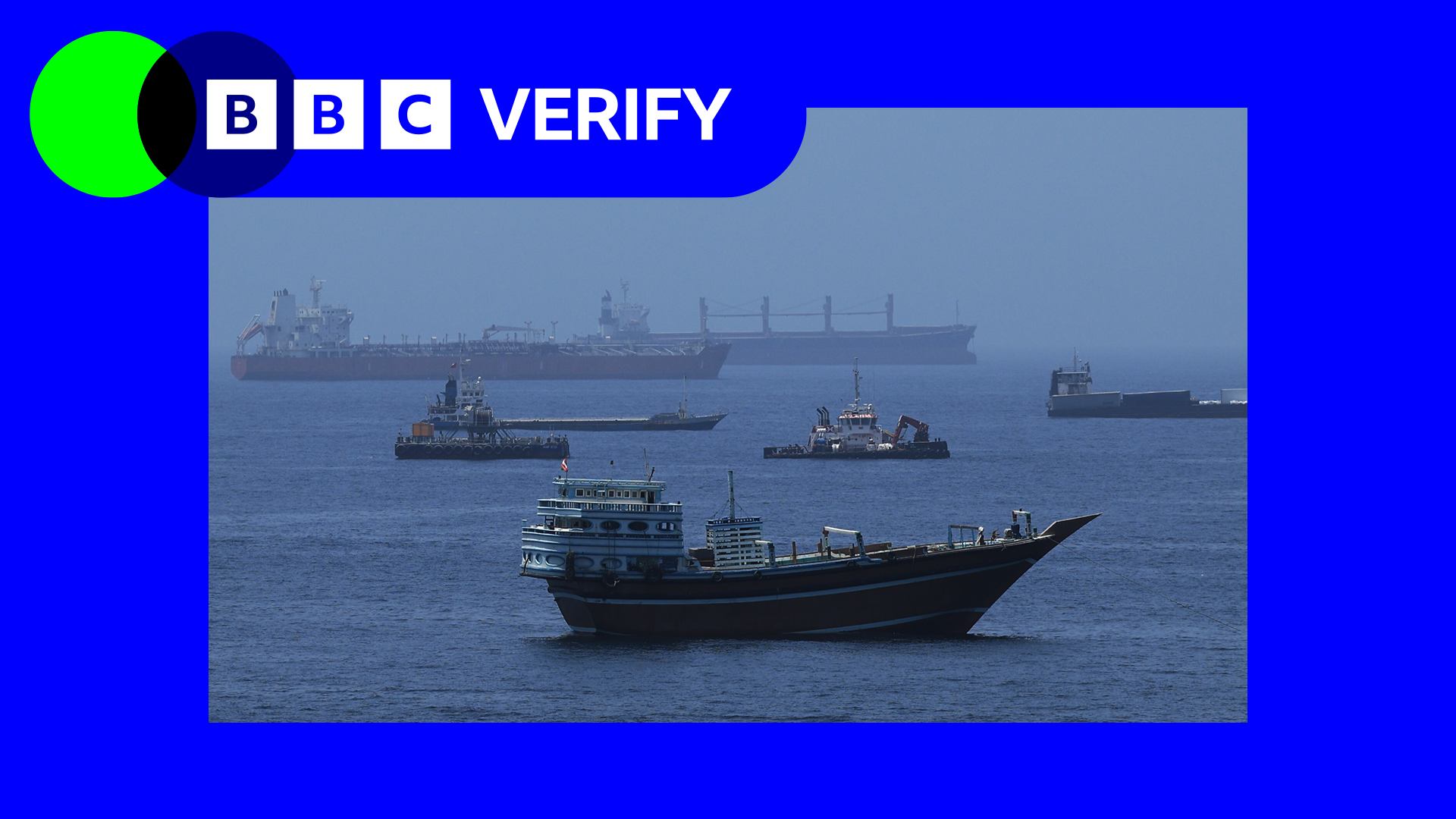
When the US declared the Strait of Hormuz ‘open’ after a deal with Iran, only seven ships have actually entered the water, and around 580 vessels are currently boxed in the Gulf. What’s holding the line? Experts point to a trio of obstacles: security concerns, a looming mine‑threat and possible new tolls.
1. Security and the Warzone
Iran has fired on ships attempting to cross the strait and the US has placed seven non‑compliant vessels under blockade. The US Navy has even launched missile strikes on some ships’ engine rooms. Captains are warned that a successful transit would require a near‑perfect defensive playbook.
Satellite imagery shows four US warships riding just outside the Gulf‑of‑Oman line—silent guardians keeping a watchful eye on the stall.
2. Mine Threat
Early in the conflict, Iran threatened to deploy floating and bottom‑mouthed mines along the coast. Warnings from the Joint Maritime Information Center and Oman’s Maritime Security Centre highlight suspicious objects that may be mines. Removing them could take 30 days to six months, forcing ships to travel at a crawl of two to three knots to conduct surveys.
The UK and France have even sent mine‑clearing vessels, signalling a joint effort to open a safe channel.
3. Tolls or Fees
Under customary international law, vessels passing through the strait should be free of charge. Yet Iran’s new regime wants to manage a ‘Persian Gulf Strait Authority’ that could levy export or service fees. Uncertainty about enforcement, collection and acceptance by Gulf neighbours could choke traffic, even if security is sorted.
For now, the international shipping community remains mired in caution—waiting for clear mines, stable security and a agreed fee framework before the strait fully reopens.
Image Source: BBC Graphic | Royal Navy and Reuters footage highlight the tension in the Gulf.