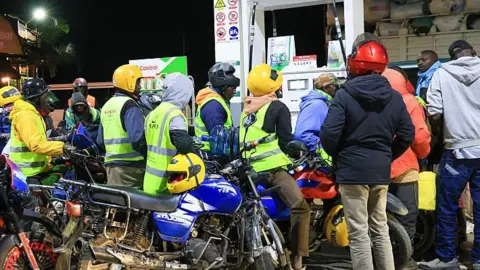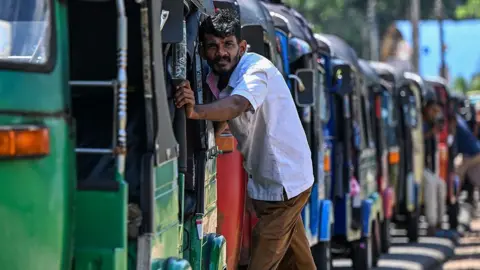
Slovenia has become the first EU member state to implement fuel rationing to tackle disruptions caused by the US-Israeli strikes on Iran and its retaliation on their allies in the Gulf - impacting major players in global energy markets.
With steep hikes in fuel prices affecting many countries, Slovenia is experiencing what is known as 'fuel tourism,' where drivers from neighboring Austria flock to capitalise on the lower, regulated fuel prices.
Under the new measures, private motorists in Slovenia will be limited to buying a maximum of 50 liters of fuel daily, while businesses and farmers can purchase 200 liters.
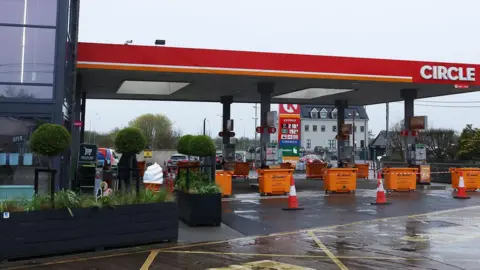
Some local fuel retailers have already put restrictions in place, with companies like Hungary's MOL imposing a 30-liter limit, and concerns grow over supply as reports emerge of fuel shortages in certain areas.
Prime Minister Robert Golob assured citizens that there is enough fuel available, stating that warehouses are full and there will not be shortages.
The regulations will be enforced at petrol stations, where staff must monitor purchases and limit sales to comply with the new rules. There's also a push for stricter limits on foreign drivers to prevent fuel tourism from overwhelming fuel supplies.
While fuel prices in Austria reach nearly €1.80 per liter, Slovenia remains at €1.47 for Euro-super 95 petrol, although this is expected to rise. Local sentiments are mixed, as some view the influx of drivers from Austria as a nuisance while others welcome the economic boost they bring to local businesses.
As Slovenia adapts to these changes, it highlights both challenges and opportunities in managing fuel resources amidst fluctuating global prices and geopolitical tensions.