In brief
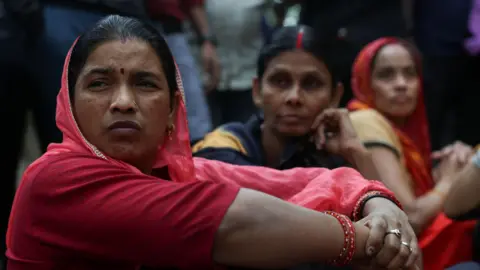
In recent days, thousands of factory workers in India have taken to the streets to demand wage increases and better working conditions. Originating from small factories in Noida, these protests have grown increasingly intense, leading to clashes with authorities. Amidst economic expansion, many workers struggle with low pay and high living costs, underscoring severe inequalities in the labor market. While some state governments respond with wage hikes, workers remain dissatisfied, highlighting the ongoing challenges faced by India's labor force.
Earlier this week, thousands of factory workers in Noida, near Delhi, staged protests demanding higher wages and better working conditions, marking a significant uprising among non-unionized contract workers across northern India. These workers, many migrant laborers, earn monthly wages that have not changed for years, between 10,000 and 15,000 rupees (about $107 to $160). As protests intensified, the government deployed police, resulting in over 300 arrests.The unrest has been exacerbated by stark pay disparities among Indian states, with some regions, like Haryana, recently raising minimum wages by 35%. This disparity has led to discontent in Uttar Pradesh, where the state government announced temporary wage increases only after unrest broke out.Factory workers, like Soni Singh, voice frustrations about being underpaid for long hours, often accruing significant overtime without adequate compensation. Despite minor wage adjustments from the government, many feel they fall short of addressing the rising cost of living, exacerbated by inflation linked to global events.Experts emphasize that inconsistent enforcement of labor laws allows employers to exploit workers, particularly in environments lacking trade union representation. Workers in Noida are now more vocal than ever, demanding acknowledgment and fair treatment in a market where the majority earn less than the set minimum wage. As the protests continue, they illustrate a growing movement that seeks to bridge the gap between stagnant wages and escalating living costs.