In brief
The ongoing conflict in the Middle East has caused significant spikes in fuel prices globally, with various nations adopting different strategies to mitigate the impact. From free public transport in Australia to fuel rationing in Sri Lanka, governments are taking action to protect their citizens from economic pressures. The UK is offering financial relief for households reliant on heating oil, while Egypt has enacted measures to conserve energy. This article explores the responses from several countries, including the Philippines, Thailand, and Slovenia, as they navigate the turbulent landscape of rising oil costs.
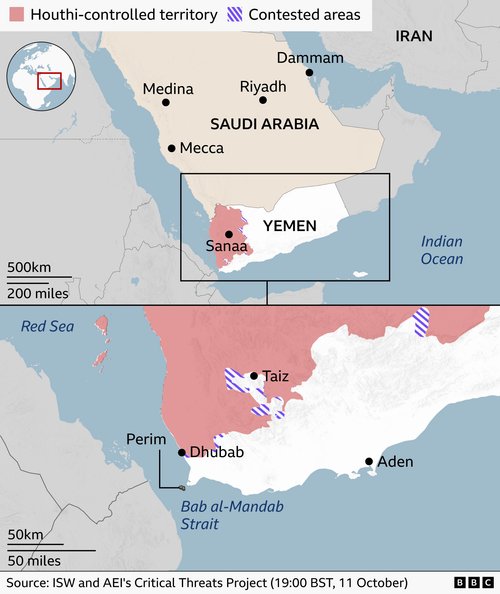
The war in Iran and the effective closure of the Strait of Hormuz, a critical passage for around 20% of the world’s oil and natural gas, have caused fuel costs to rise sharply. In response, governments worldwide are implementing measures to ease the economic burden on consumers.
Here’s a summary of global responses:
UK
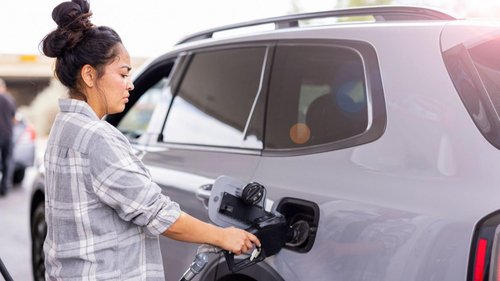
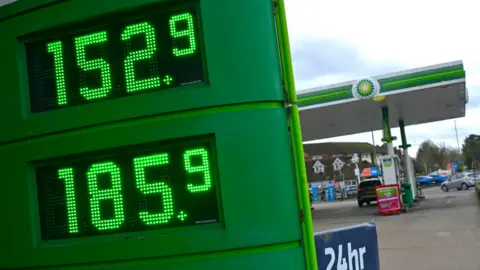
The UK has seen petrol prices soar to an 18-month high. The government is poised to intervene if signs of profiteering emerge. A £53 million support package is available for low-income households using heating oil.
Australia
In efforts to encourage public transport use, two states are offering free public transport. Victoria’s trains, trams, and buses will be free throughout April, while Tasmania has suspended fees for all public transport till June.
Egypt
Egypt has introduced several temporary measures, including early closing hours for businesses and work-from-home policies for non-essential workers, aimed at reducing fuel consumption due to reliance on imported oil.
Philippines
The government declared a national emergency, subsidizing transport drivers and implementing measures to cut working days, as fuel prices have more than doubled.
Sri Lanka
To conserve fuel, Sri Lanka has moved government holidays to Wednesdays and imposed fuel rationing limits for drivers and motorcyclists.
Other Countries
Thailand is asking citizens to conserve energy by adjusting air conditioning, while Slovenia becomes the first EU nation to introduce fuel rationing. Ethiopia has prioritized fuel supply to essential services, and Myanmar has enacted vehicle use restrictions and a rationing system.
These measures showcase how different countries are creatively responding to an urgent global crisis, aiming to support their economies and citizens during challenging times.