In brief
A French-owned ship, flagged in Malta, crossed the important Strait of Hormuz, the first vessel of a major Western European firm to do so since the commencement of the conflict. This comes amidst fears surrounding shipping activities with several vessels previously attacked. The ship's passage could signal a gradual return to normalcy for this crucial trade route, vital for the transport of oil and natural gas.
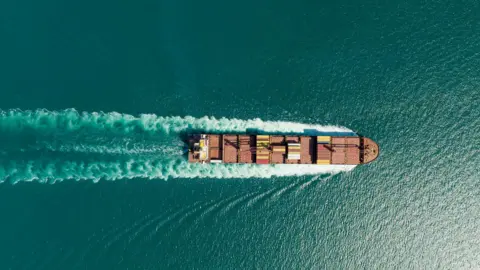
A French-owned ship has successfully passed through the Strait of Hormuz, more than a month after a conflict involving the US, Israel, and Iran effectively closed this essential transport route. The Malta-flagged container ship, owned by CMA CGM, was confirmed to have exited the strait, indicating a potential easing of tensions in maritime operations. Shipping analysts noted this is the first occurrence of a major Western European firm's vessel navigating these waters since the escalation of hostilities. While Iran has assured that 'non-hostile vessels' can utilize the route, prior to this event, shipping activities had plummeted due to threats and attacks on vessels. Recent tracking confirmed that the French ship passed close to the coast of Oman, as part of a route to steer clear of Iranian waters. Alongside this vessel, a Japanese oil tanker also traversed the strait, highlighting a slight uplift in maritime traffic. However, the broader shipping operation has seen a sharp decline, with many vessels still stranded in the region since the conflict began, leading to soaring global oil prices and increased inflationary pressures worldwide. Despite about 95% of usual traffic halting, approximately 100 ships have navigated the strait lately, mostly linked to Iran or regional countries. This development could pave the way for more consistent shipping activities in the region.