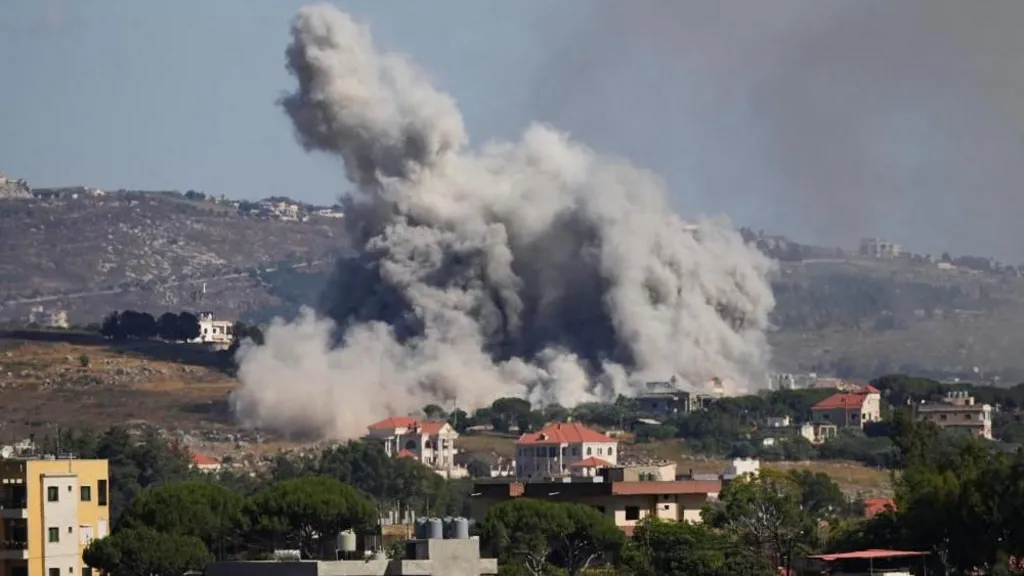
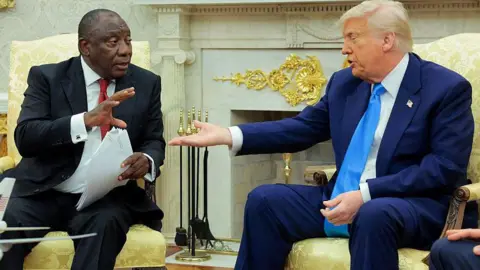
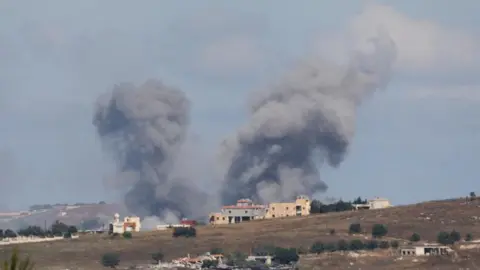
A recent airstrike by US forces targeted the B1 bridge in Karaj, Iran, leading to at least eight fatalities and nearly a hundred injuries. Eyewitnesses report that many were enjoying the Nowruz holidays near the bridge when the attacks occurred. Amid mounting tensions, US President Donald Trump issued a warning to Iran, vowing to continue strikes unless their leaders comply with his demands. Reaction from Iranians has varied, with some expressing fears of further escalation, while others demand retaliation against US interests. Iranian Foreign Minister Abbas Araghchi claimed that such strikes reflect the moral collapse of the US, arguing that destruction will not force Iranians to surrender. Amid an internet blackout, some have turned to satellite services to voice their concerns, revealing a deep sense of helplessness. A young Tehran woman shared her fears, questioning how far the conflict could escalate, while another resident lamented the destruction of their nation. As public sentiment grows wary, calls for both peace and retaliation echo across the nation.
Concerns Rise Among Iranians After US Airstrike Hits Karaj Bridge
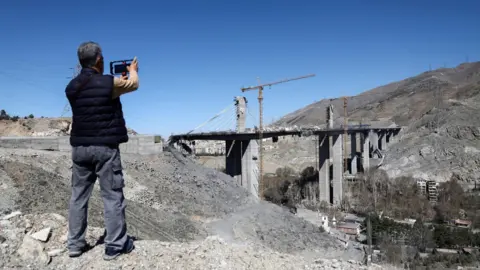
Concerns Rise Among Iranians After US Airstrike Hits Karaj Bridge
Recent airstrikes by the US on a bridge in Iran amid escalating tensions have left locals worried and uncertain about the future. Protests and calls for retaliation emerge as the situation intensifies.
The US airstrike on the B1 bridge in Karaj, Iran, killed 8 people and injured nearly 100, causing widespread fear among residents. With the ongoing conflict and threats from President Trump, many Iranians express deep concerns over their safety and future as the military strikes continue. Despite internet blackouts, communication remains essential for expressing fears and opposing sentiments against the current Iranian regime.