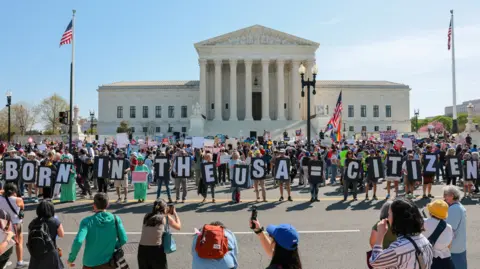
The US Supreme Court appears sceptical regarding President Donald Trump’s executive order aimed at limiting birthright citizenship, a move that could undermine a central aspect of his immigration policy. Justices showed doubt over whether the U.S. should revoke citizenship rights for children born to undocumented immigrants and other temporary visitors.
The administration contends that restricting birthright citizenship is crucial for curbing illegal immigration, while opponents argue such a step would overturn over a century of legal precedent.
Trump attended the session in person, emphasizing the importance of the case for his administration. A ruling against him could mark a significant legal setback, following another recent loss pertaining to global tariffs.
During the discussion, U.S. Solicitor General John Sauer argued that the 14th Amendment, which guarantees birthright citizenship, has been incorrectly expanded by previous rulings. Chief Justice John Roberts raised questions about the legitimacy of excluding undocumented children's citizenship, suggesting the complexities involved in the issue.
The justices are expected to issue a ruling in June, making this the first significant immigration decision since Trump began his second term. The outcome may either solidify or challenge Trump's approach to immigration reform, especially regarding his long-term goal of altering or eliminating birthright citizenship, which has been a focal point of his administration.