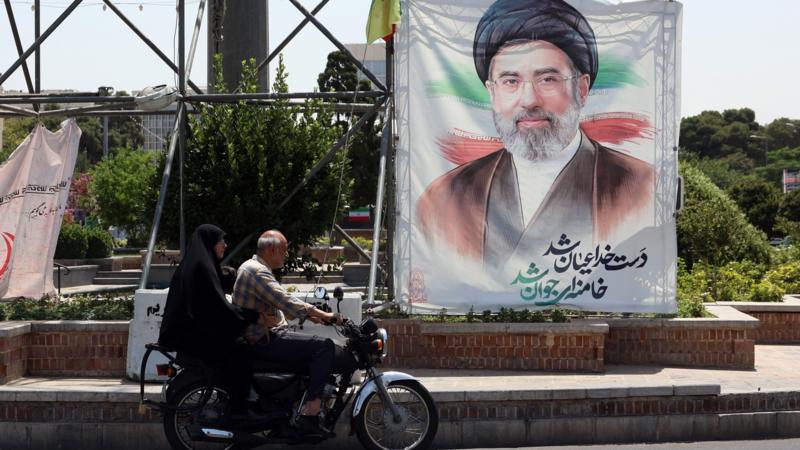
Supreme Leader Khamenei Calls for Revenge After His Father’s Killing
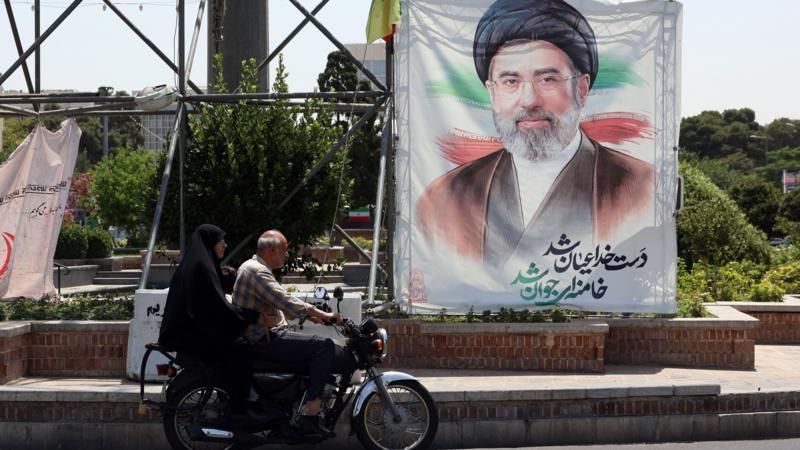
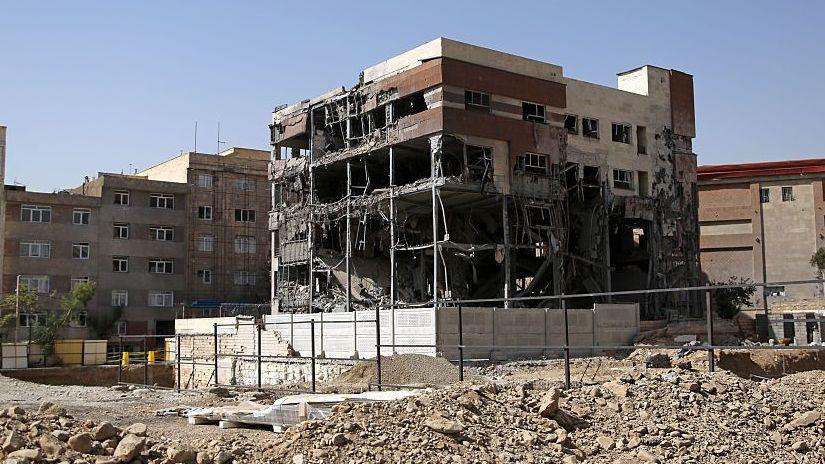
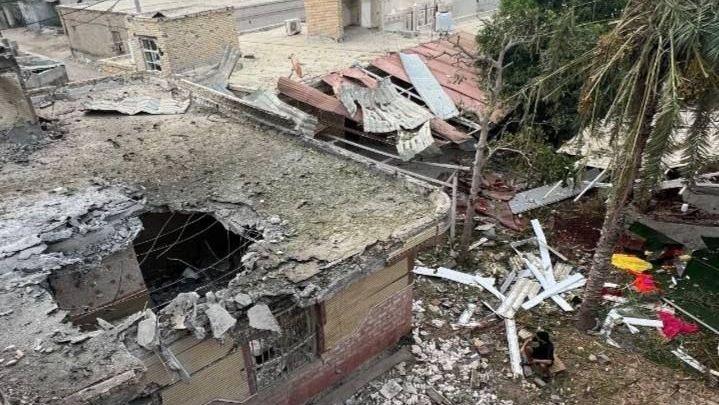
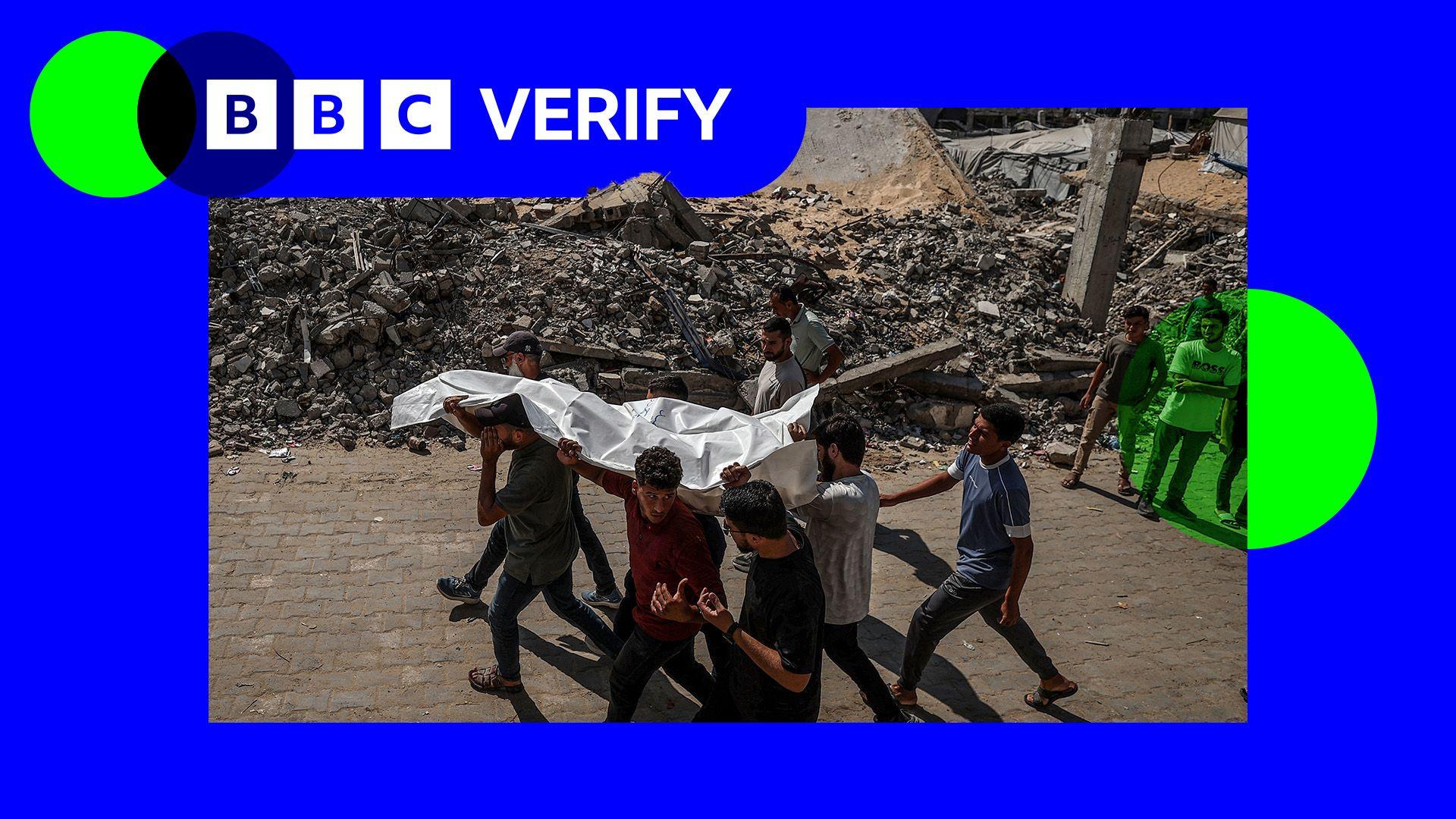
The death of Iran’s former supreme leader, Ali Khamenei, in a US‑Israeli air strike on 28 February was followed by a stark statement from his son, Ayatollah Mojtaba Khamenei. In a televised reading, the new leader vowed revenge, saying the “will of the nation” demanded retaliation against those who killed his father.
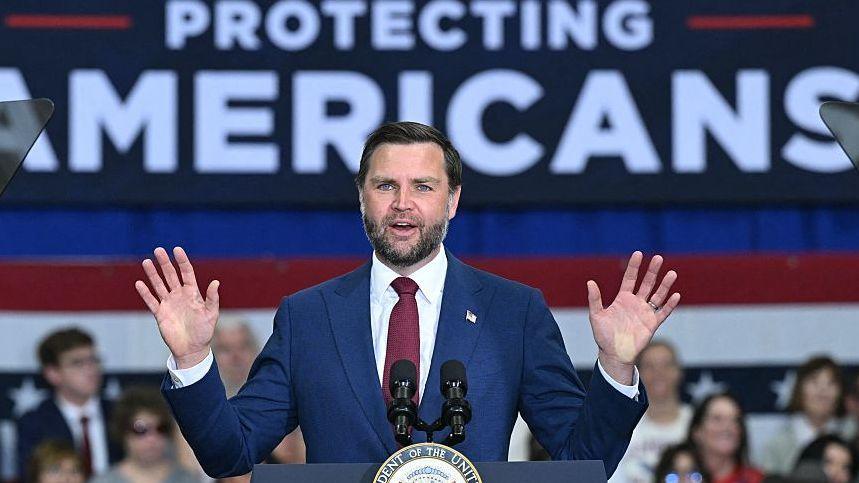
This marked Khamenei’s first public appearance since the funeral ceremonies that started a week ago, a time when mourners shouted demands to kill US President Donald Trump. Trump responded that such plans would lead to a full‑scale strike on Iran.
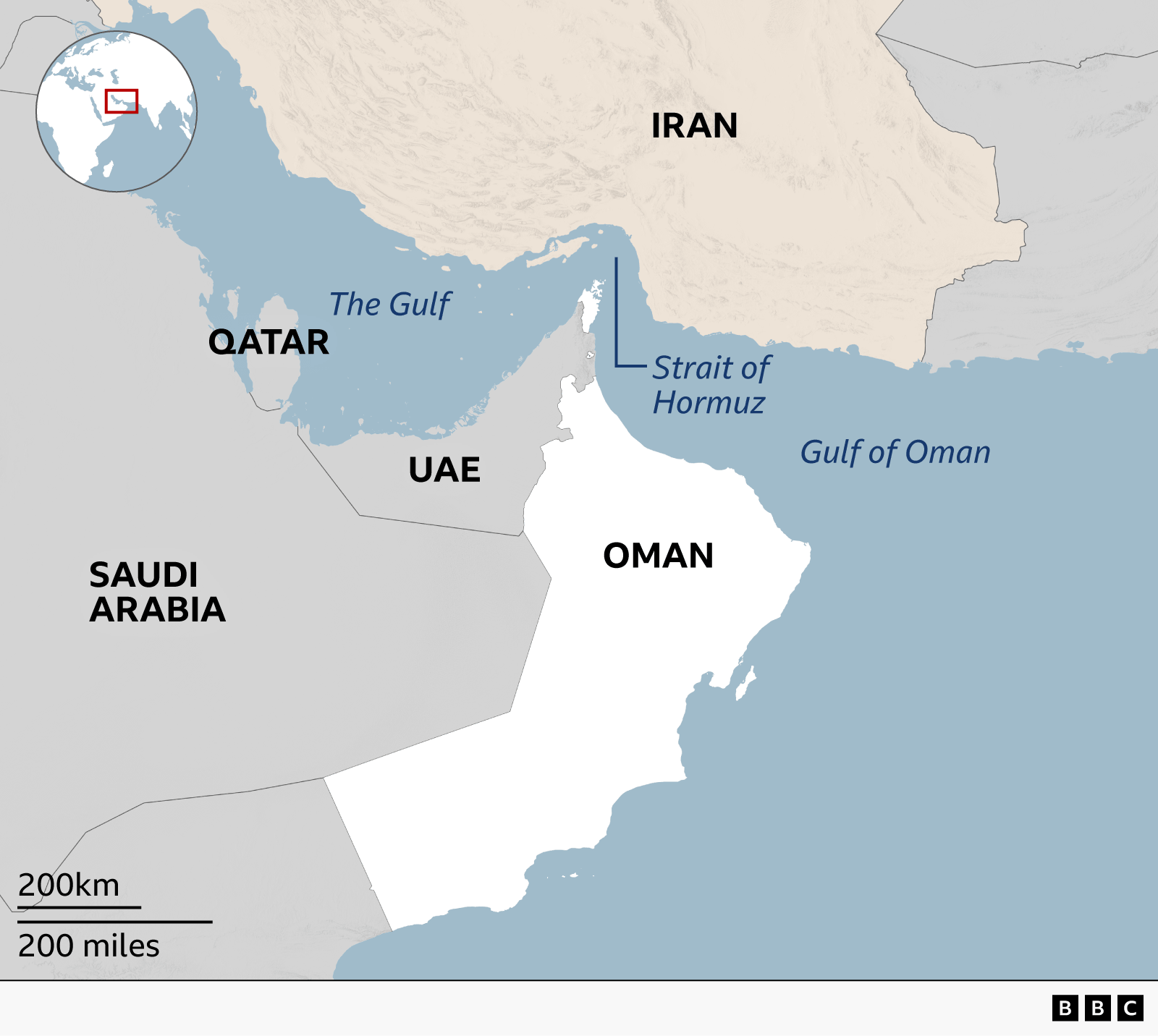
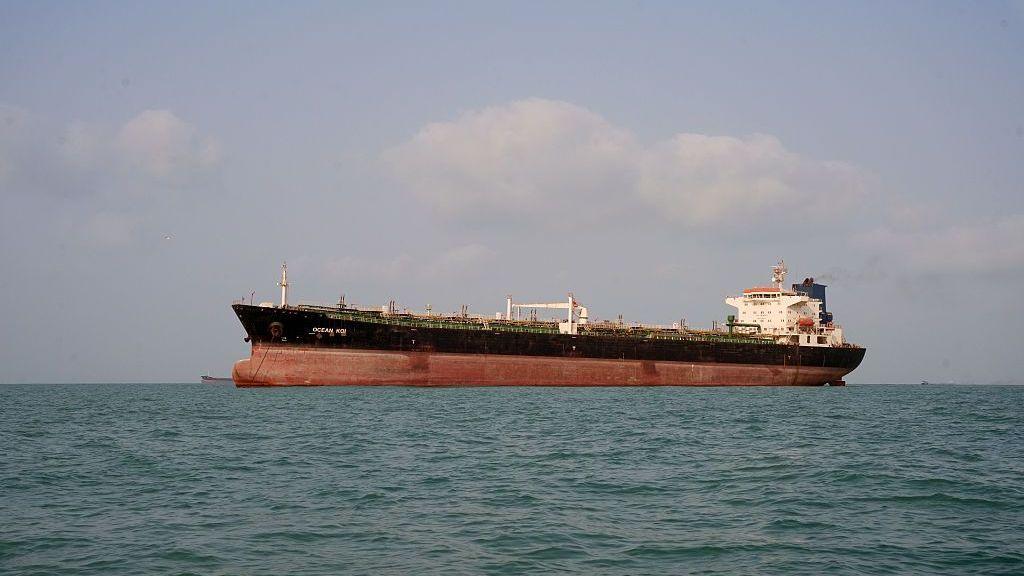
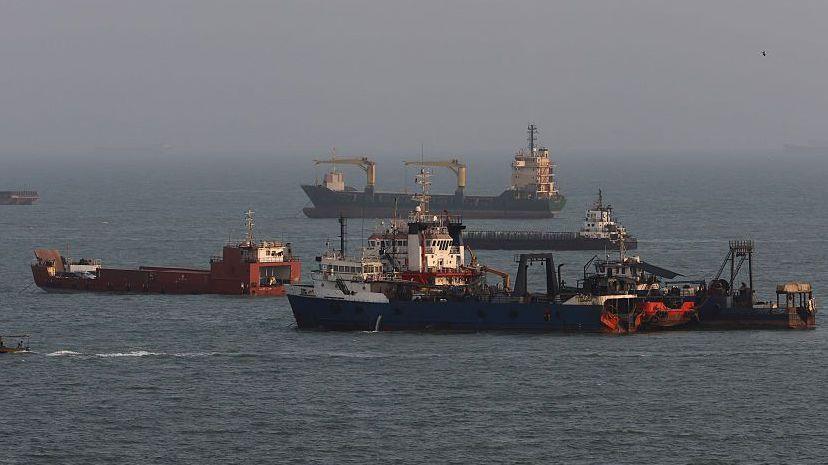
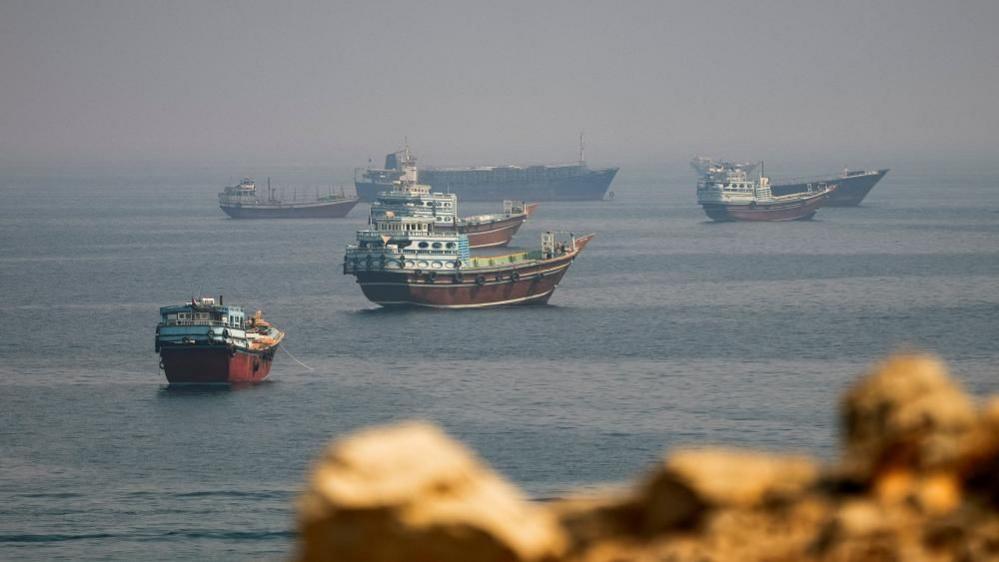
The US–Iran conflict began with the February strike, prompting retaliatory attacks on Israeli and US targets. By June, a ceasefire was signed to open talks, but the situation remained volatile. Recent attacks on commercial tankers have further rattled shipping routes, especially the Strait of Hormuz.
Khamenei’s statement was unyielding: “We pledge to avenge the blood of the martyred leader and all martyrs of these two wars from the criminal and disgraced killers,” he said. He added that the revenge would happen whether or not his body was present.
While Iran complains that attacks on tankers were a mistake, US officials insist that Iran’s broader objective is to keep the Hormuz Strait open and stop hostilities. The latest clashes have caused casualties—19 killed and 115 injured according to Iranian officials—and intensified calls for diplomacy.
The world watches, as tensions could spill into the wider Middle East and affect global oil markets. The international community urges restraint, hoping for a peaceful resolution, yet the risk of escalation remains high.
For viewers: follow ongoing coverage for breaking updates and interactive maps showing the impact on shipping lanes. Stay tuned for more SnapScope updates that break down how this conflict could affect you.