In brief
A look into the challenges faced by African chocolate makers in light of new trade policies and their impact on local economies.
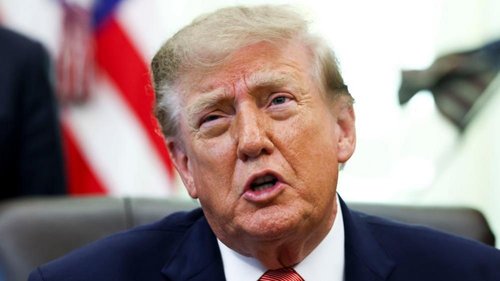
Dana Mroueh’s dream of selling her organic chocolate bars in the U.S. hit a wall last week when President Trump introduced new tariffs on all U.S. imports. Based in Ivory Coast, the world's largest cocoa producer, Mroueh runs Mon Choco, part of a vibrant new generation of West African chocolatiers aiming to make a name in the chocolate industry. The excitement to export her unique mango, ginger, and coffee-flavored chocolates has dwindled as the new 21% tariffs loom over their entrance into the American market, which has consistently been a lucrative opportunity for African cocoa producers. "We were ready to start shipping soon," Mroueh lamented, as her hopes were dashed along with many other chocolatiers who envisioned a brighter future. In addition to chocolate, diverse products from regions across Africa—like car parts from South Africa and denim from Lesotho—will face steep levies as well, with Lesotho suffering one of the highest at 50%. With these tariffs in place, the challenges to African economies, already feeling the pinch from previous U.S. policy changes, could escalate further, calling into question the sustainability of their business dreams.