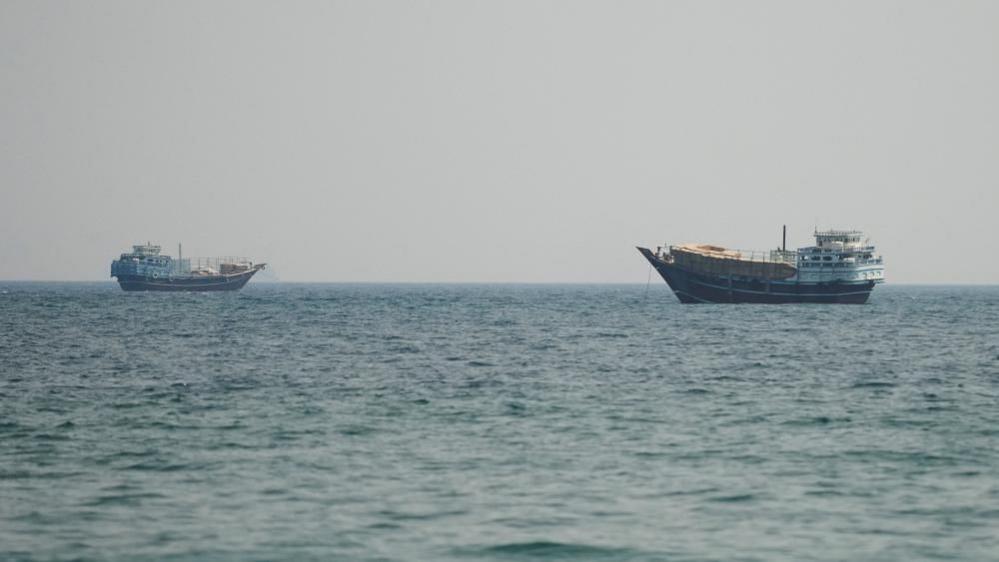
What’s Happening in the Strait of Hormuz?
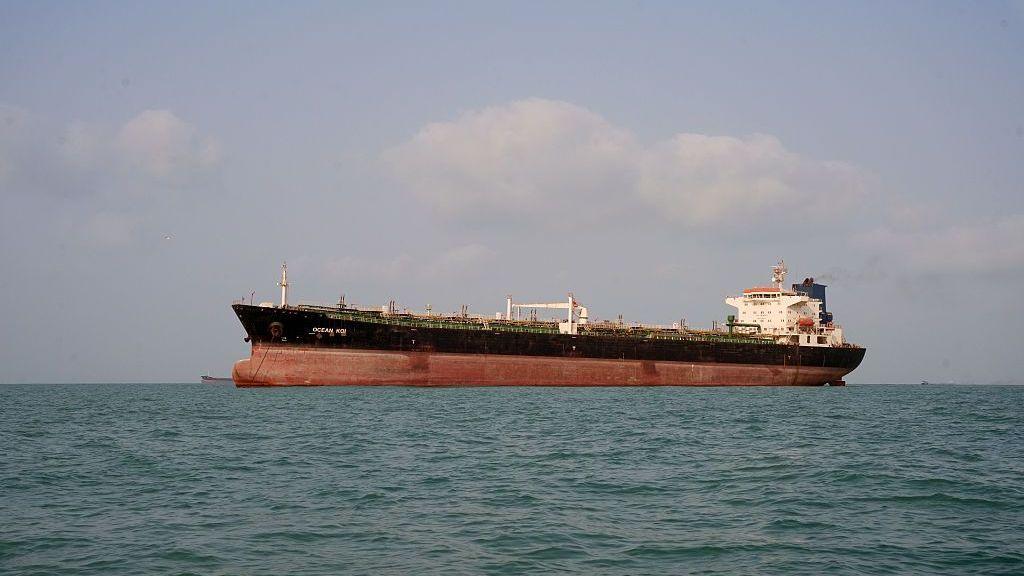
Donald Trump cancelled a 20 % fee that would have been added to every shipment passing through a narrow waterway that lets 25 % of the world’s oil out of Saudi Arabia. The fee was meant to fund protection of the tunnel from Iranian attacks, but Trump says it will instead be replaced by economic deals with Gulf neighbors.
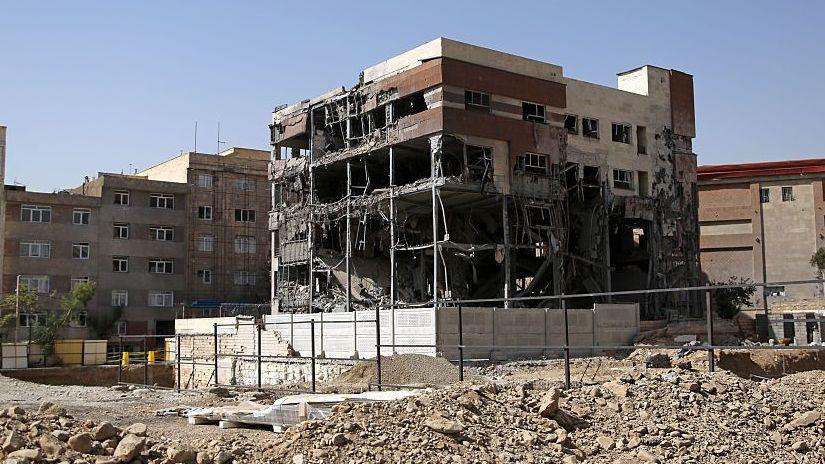
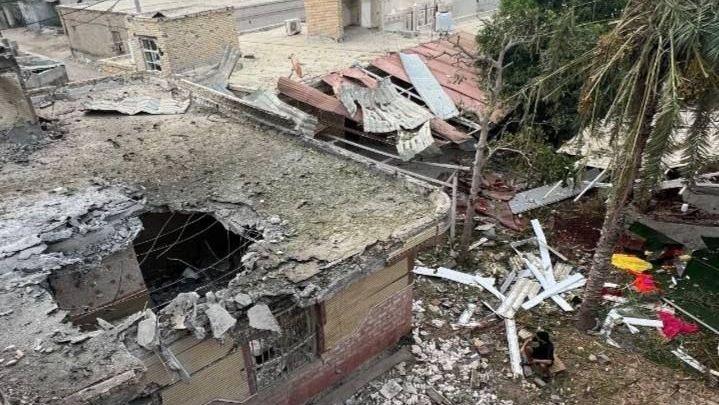
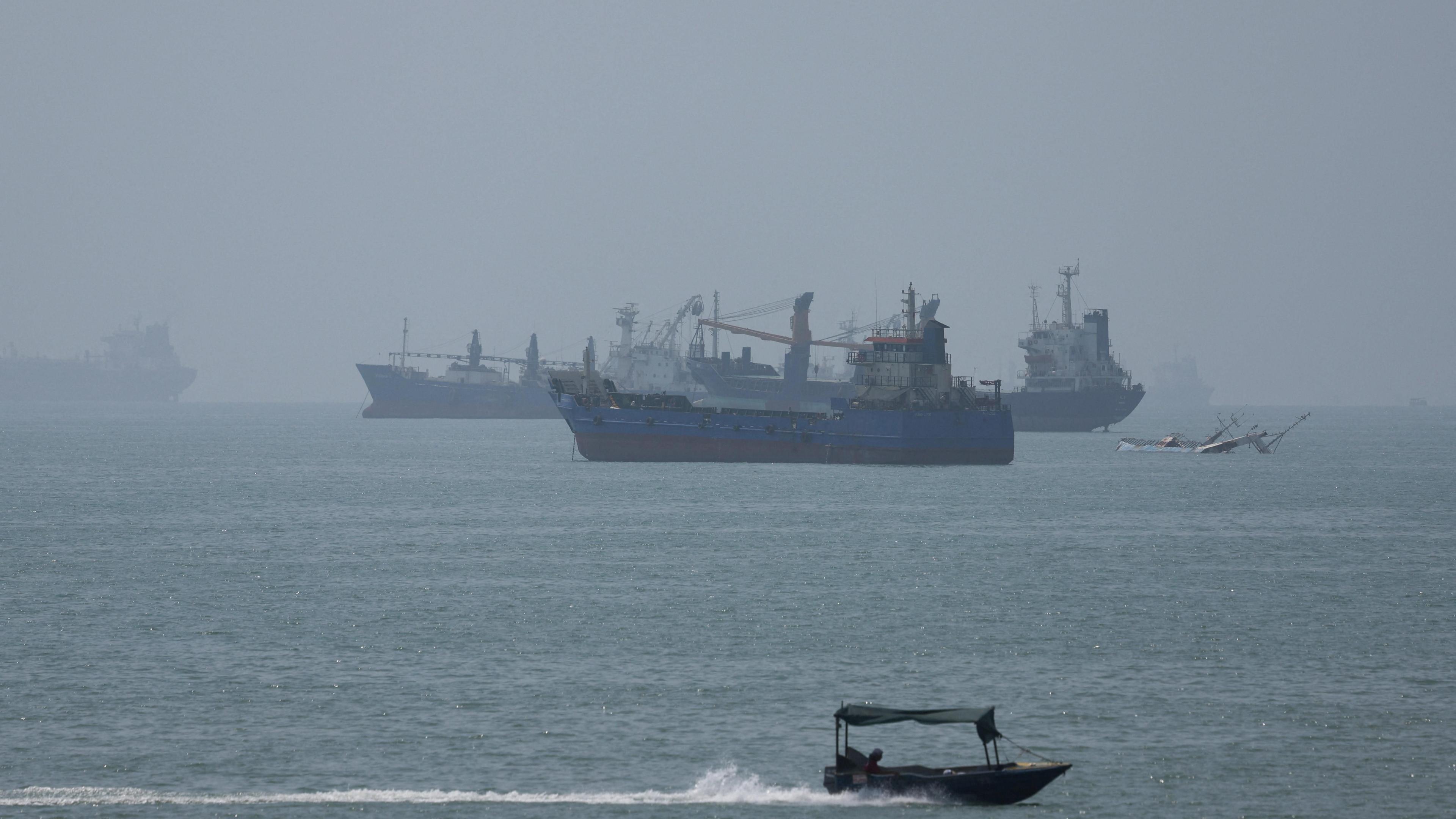
Just hours later the U.S. announced it would resume a naval blockade of Iranian ports — a move that could squeeze Tehran’s already struggling economy. The blockade comes after a flare‑up in US‑Iran strikes that saw tanker traffic stall and crude prices spike.
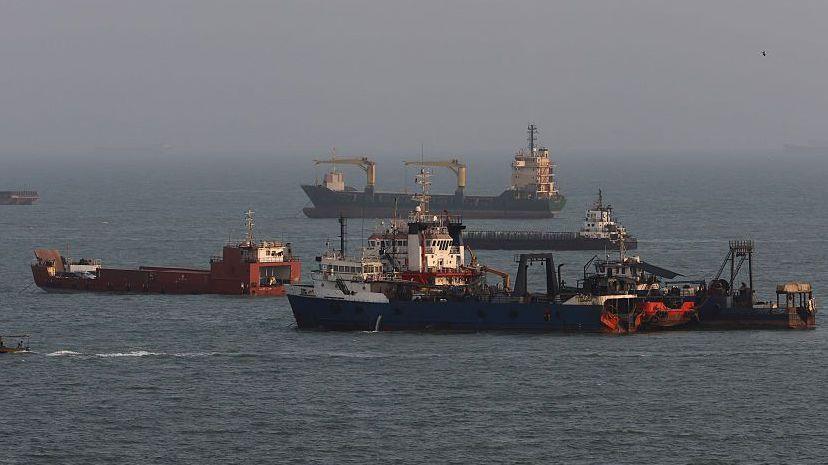
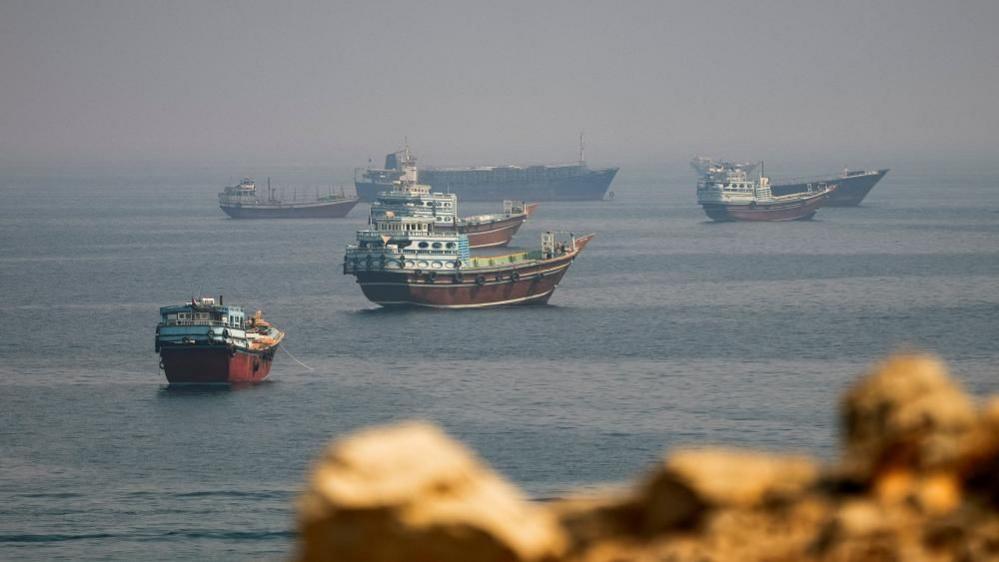
Why does it matter? The Strait is a choke‑point for the world’s energy supply: 25 % of oil and 20 % of natural gas flow through it. If Iran closes it, global prices could climb even higher.
Key points
- Trump’s 20 % shipping fee went from threat to “trade‑in‑deal” with Gulf states.
- U.S. will re‑introduce a naval blockade of Iranian ports to pressure Tehran.
- Fierce strikes between the U.S. and Iran have halted tanker traffic and pushed oil prices up.
- H Strait of Hormuz is critical to the global energy market.
- Trump’s post on Truth Social said he chose deals over a fee after talking to Gulf leaders.
For younger readers, the takeaway is that political moves can ripple through the world economy — especially in places that serve as vital gas stations for oceans full of ships.