In brief
Trump warned Iran that the Strait of Hormuz—critical for global oil traffic—must open soon or face a sharp backlash. U.S. officials claim talks with Iran and Oman are making progress, while Iran insists it isn’t negotiating directly with Washington. Oil prices fell to almost $80 a barrel amid the talks, yet tanker crews report heightened danger in the region. Consumers worldwide feel the pinch at higher petrol prices, and markets are spooked by the uncertainty. The outcome could reshape global trade and fuel costs for years to come.
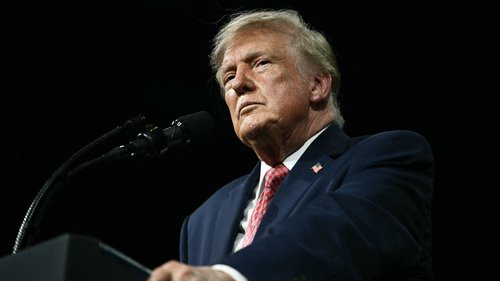
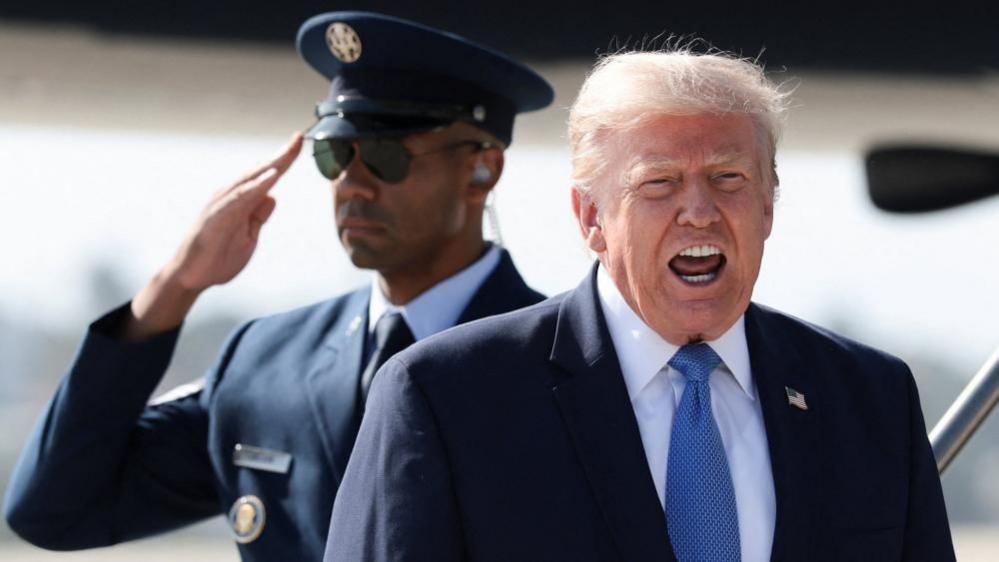
President Donald Trump launched a hardliner stance on the Strait of Hormuz, telling the world that if the narrows stay shut, Iran would face a "very hard" hit. The move comes as oil prices take a dive, hitting a three‑week low at about $80 a barrel.
Earlier this week the U.S. Treasury and State departments said talks between the U.S., Iran and Oman are “making progress” and that a deal to reopen the strait could be reached as soon as Wednesday. Trump insists that Iran is eager to end the standoff, but an official spokesperson for Iran says it is not negotiating directly with Washington.
The Strait of Hormuz is a vital choke‑point—about one‑fifth of global oil flows move through its waters. With the channel blocked, shipping routes force oil tankers to take longer detours via the Bab al‑Mandab Strait or the Red Sea, increasing risk as several attacks have been reported in recent weeks.
Oil at the pump has reflected the market turbulence. In the UK, an average litre costs £1.60, the highest seen since the conflict began, while in the U.S. gasoline averages above $4 per gallon. Diesel has also climbed, nearing $5.40 a gallon.
Despite the crash in prices, major oil majors like BP, Shell and Exxon Mobil have reported booming profits—yet they remain at the mercy of political moves from the U.S. presidency. Investors on Wall Street are jittery as AI‑powered earnings reports sway market sentiment.
All eyes are on the Strait for any breakthrough. A quick reopening would calm shipping fears, lower fuel costs, and provide a breather for a tense global trade environment.