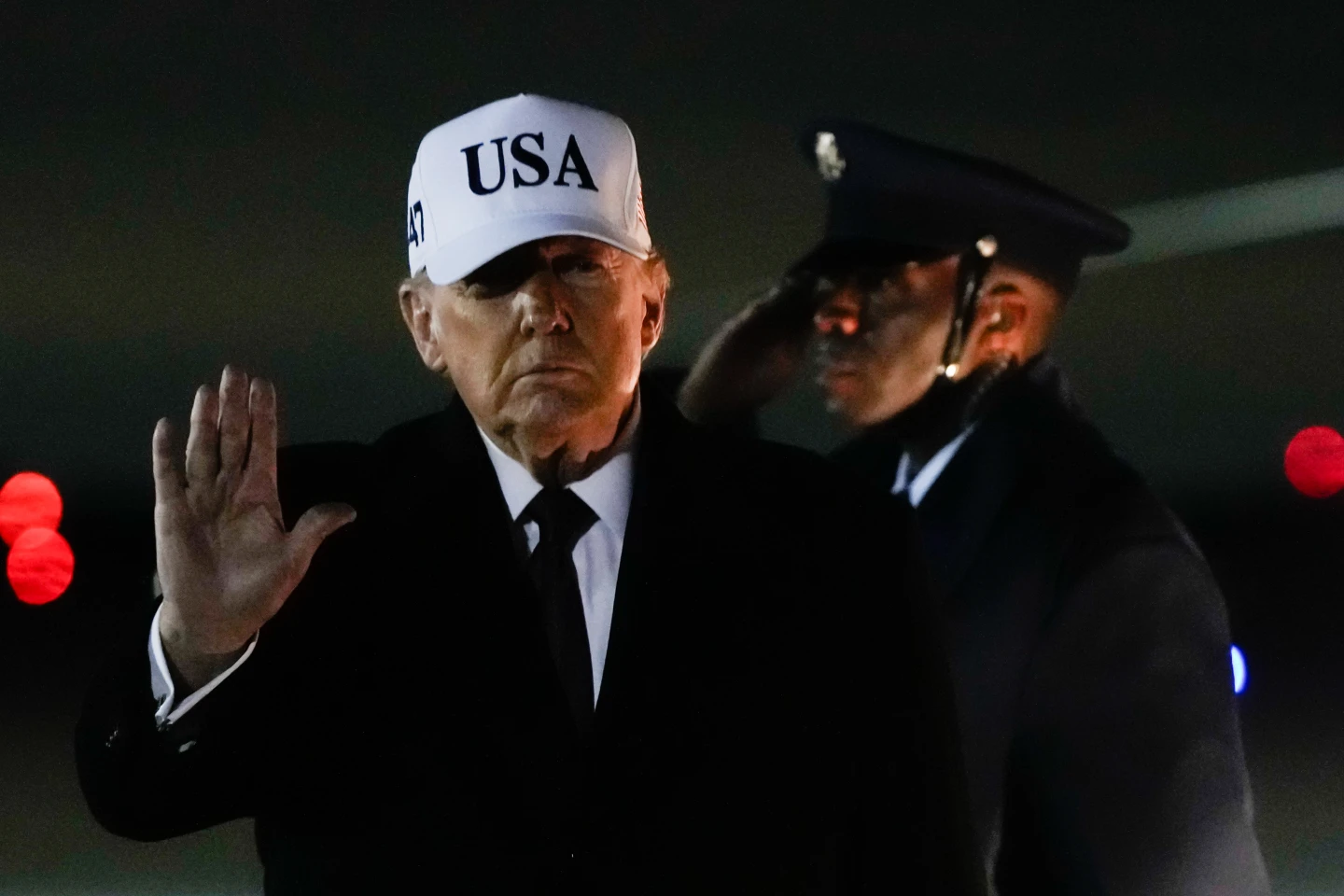
On the face of it, the announcement of phase two of President Donald Trump's peace plan for Gaza would seem like progress.
But there remains a huge lack of clarity and detail about the future of the strip and the 2.1 million Palestinians who live there.
Furthermore, there are many pitfalls.
First, Trump's plan demands that Hamas, as well as other groups in Gaza, agree to disarm.
Failing to do so would bring serious consequences, according to US Special Envoy to the Middle East, Steve Witkoff. But Hamas has so far adamantly refused to give up its weapons, seeing them as necessary for resistance against Israel's military occupation.
If Hamas maintains this resistance, there are far-right members of Israeli Prime Minister Benjamin Netanyahu's coalition government eager to escalate military action.
US intelligence has long estimated that Hamas has recruited new members in Gaza more than those killed during the ongoing conflict.
The ceasefire in place since October last year is fragile, with both sides accusing each other of ongoing violations.
More than 450 Palestinians have been killed in Israeli strikes since the ceasefire, while the Israeli military reported losses of three soldiers due to Palestinian attacks.
Secondly, uncertainty shrouds the extent of Israel's military withdrawal from Gaza, with no indication that a complete pullback is forthcoming.
Israeli officials are advocating for a new reality, insisting the strip won't revert to its pre-war state.
Then there's the question of governance in Gaza. If not Hamas, then who?
A proposal exists for an International Stabilization Force to provide governance, but no commitments have been made by potential contributors.
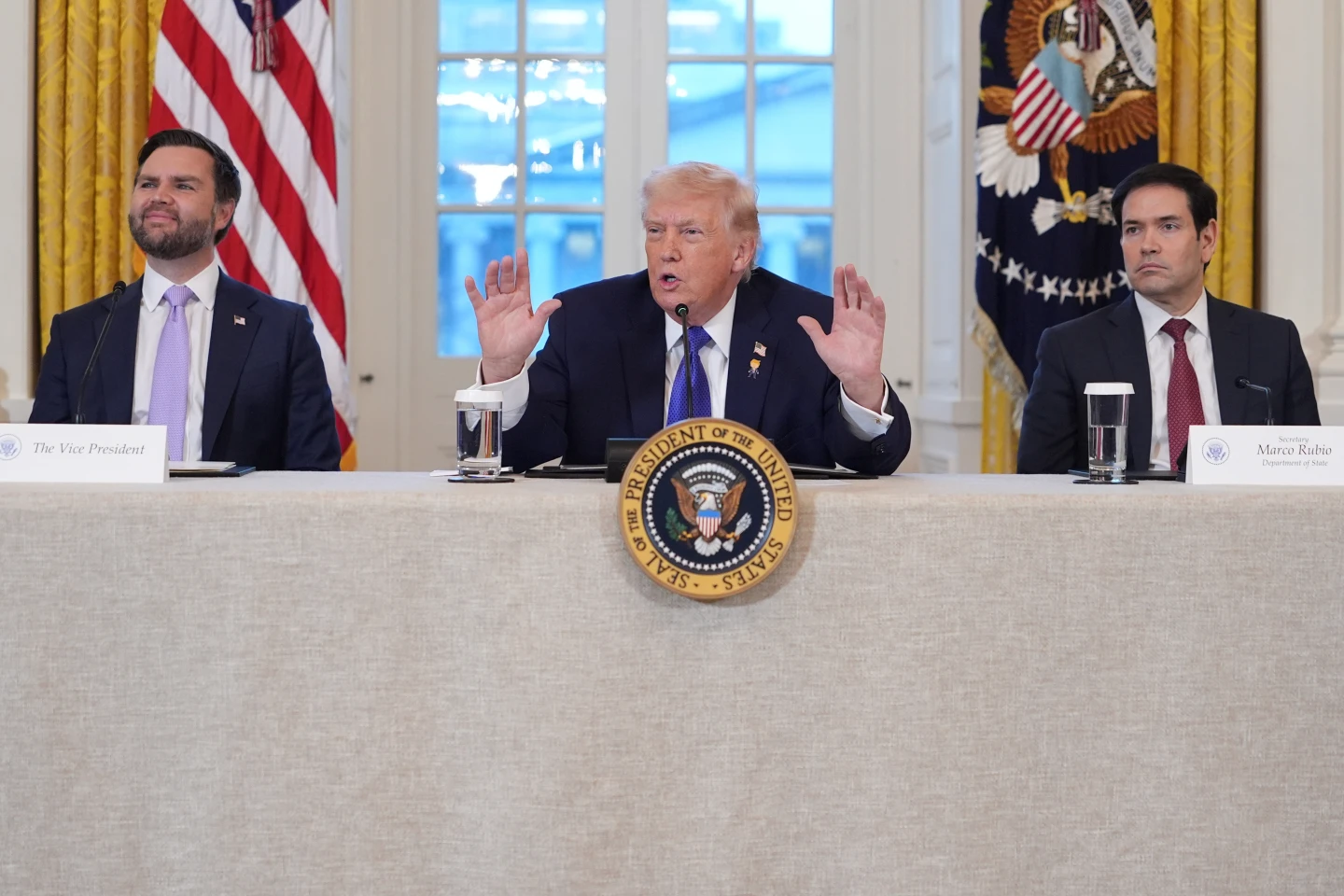
Trump's peace plan envisions three levels of governance, starting with a technocratic government from civil society, with higher levels overseen by an Executive Committee and ultimately a Board of Peace led by Trump.
This concept is met with skepticism as many Palestinians perceive it as a form of colonialism.
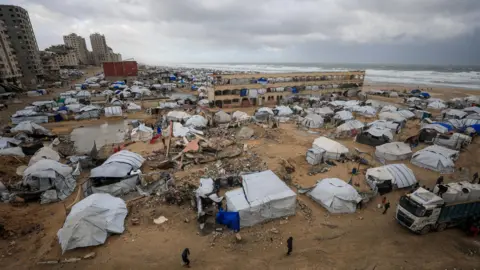
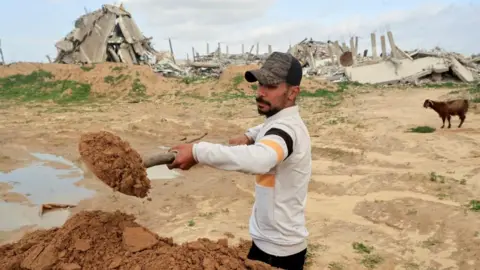
Alongside these political challenges, the humanitarian crisis in Gaza remains dire, with many displaced and lacking basic necessities amid harsh winter conditions.
While the peace plan promises structure, the coming months will reveal whether true progress can be made in a region plagued by uncertainty and suffering.