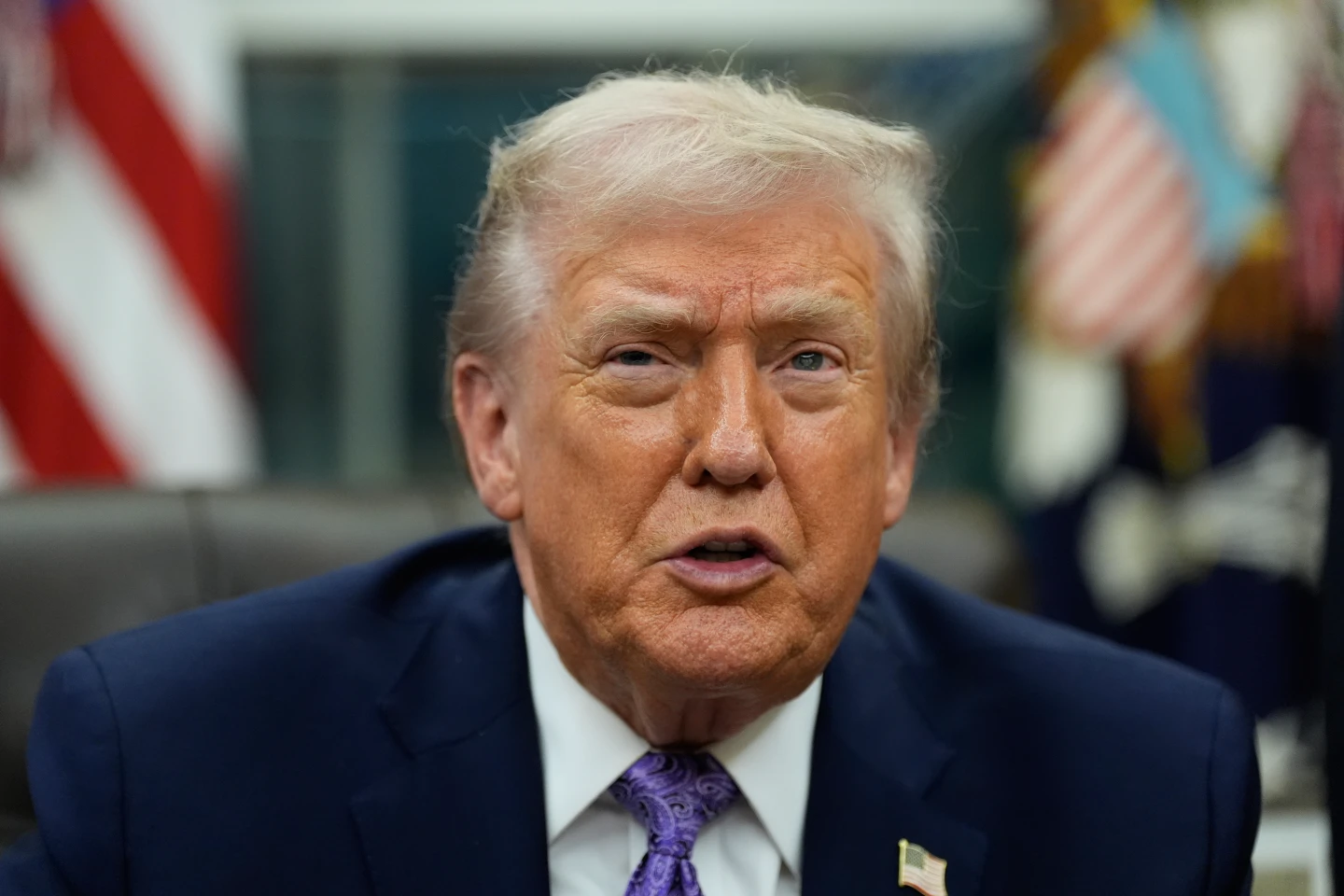
WASHINGTON (AP) — Tensions are rising over President Trump’s persistent threats to acquire Greenland, prompting a rare bipartisan backlash among lawmakers. Wary of the implications for NATO and international relations, legislators are working to assert the importance of maintaining alliances with countries like Denmark.
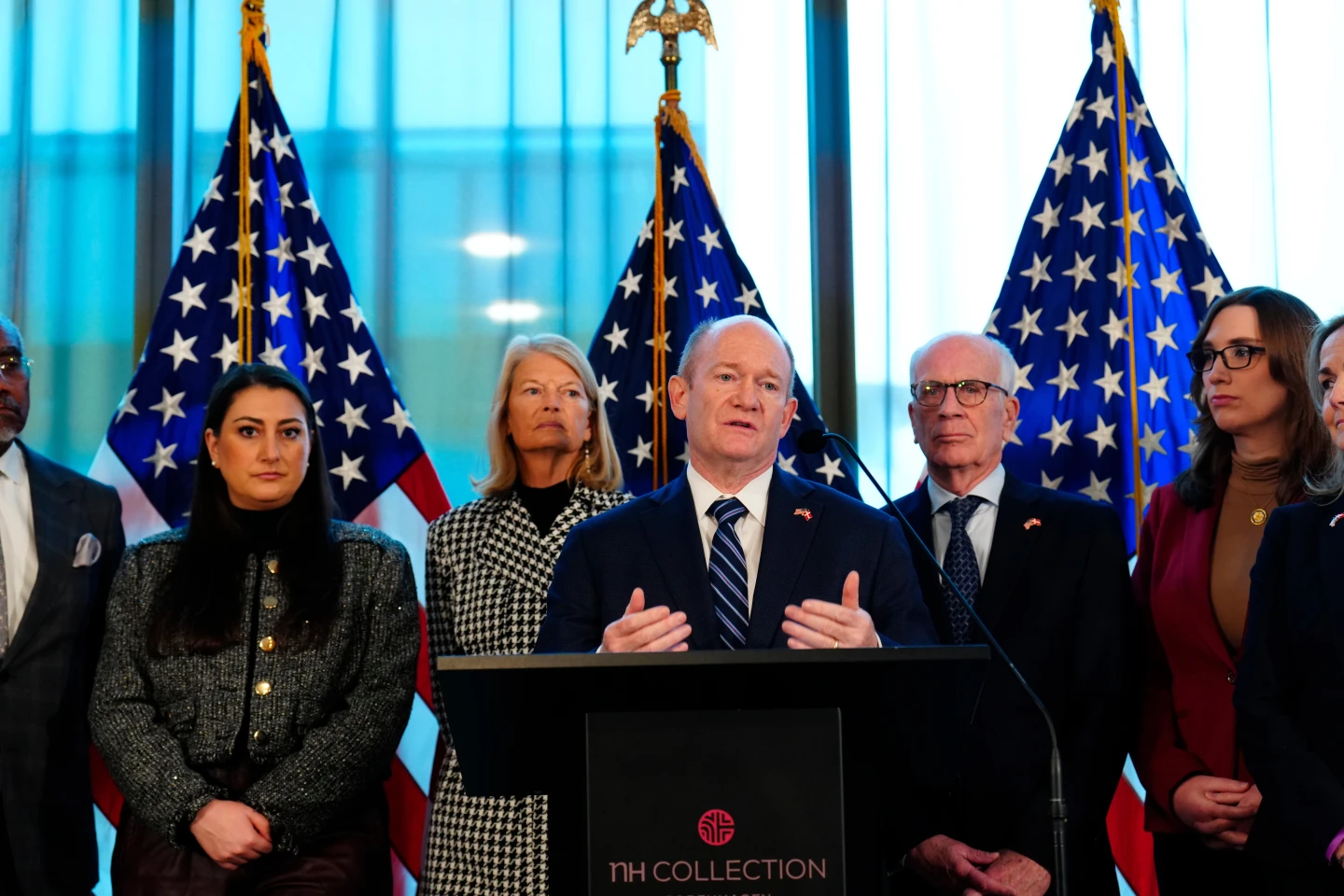
Recent discussions have seen Republican and Democratic leaders traveling to Copenhagen, introducing bills, and delivering speeches underscoring the significance of NATO in global security. Lawmakers like Delaware Senator Chris Coons are promoting cooperative military strategies to mitigate the risks posed by Trump’s provocative statements.
Despite the escalating rhetoric, many lawmakers, including Senate GOP leaders, have publicly distanced themselves from Trump's claims, recognizing the diplomatic fallout that could stem from any attempt to seize territory from an ally.
Trump's ongoing insistence on a 10% import tax on goods from countries opposing his Greenland plans has been met with sparked debate, as lawmakers express concerns over how these tariffs could backfire on American businesses and strengths abroad.
The developing situation raises critical questions about military strategy, international cooperation, and the repercussions of unilateral actions in a rapidly changing geopolitical landscape. As lawmakers move to propose legislation aimed at safeguarding against military aggression, the balance of power remains at risk amidst these contentious discussions.