In brief
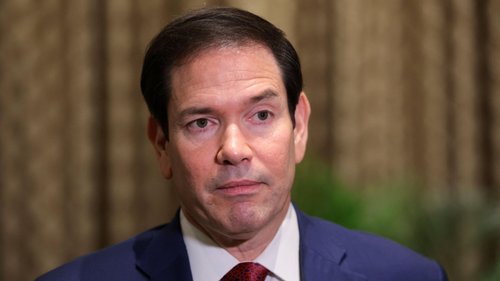
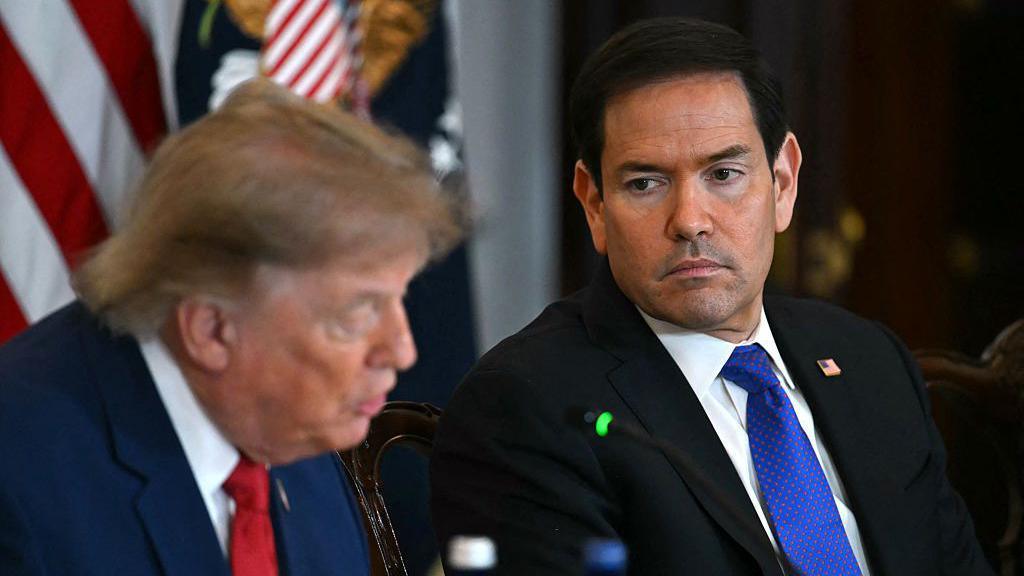
U.S. Secretary of State Marco Rubio announced a fresh batch of sanctions targeting nine Cuban state‑owned mining, building and construction companies, the Ministry of Construction and the leaders of the Cuban Institute of Friendship with the Peoples. He accused the Cuban regime of spreading “Marxism, racial resentment” and “subversive anti‑American activities.” The Cuban government condemned the move as a threat to basic services and the island’s economy, which already feels the impact of a U.S. oil blockade and declining tourism. The sanctions are part of a broader effort to choke off funds that support Cuba’s long‑standing repression.
The U.S. has just rolled out another round of sanctions on Cuba, hitting state‑owned mining, metal and building firms, the Ministry of Construction, and leaders of the Cuban Institute of Friendship with the Peoples (ICAP). Secretaries of State Marco Rubio said the move is meant to cut off funds that fuel Cuba’s repression.
What’s in the list? Nine big companies, a government ministry and a group that hosts international activists. Rubio says they’re helping the Cuban regime spread “Marxism, racial resentment and Communist violence” around the world.
Cuba’s Foreign Minister Bruno Rodríguez blasted the sanctions as a blight on the economy. He warned that they would crush the island’s ability to provide basic services, especially with the U.S. oil blockade in place:
“They’re trying to punish Cuban companies and further harm the economy,” Rodríguez wrote on X.
Why does it matter? Cuba is already struggling with a power crisis because it relies on imported fuel. Hospitals run emergency generators, and residents have endured long power cuts that have, at times, sparked protests. The sanctions also hit tourism, a vital income stream for the island.
With the U.S. tightening its crackdown on Cuban “subversive activity,” the island faces a tougher future. Stay tuned for more updates on how global politics impact everyday life on the Caribbean island.