In brief
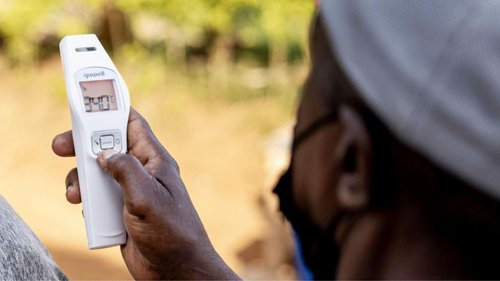
Ebola’s latest splash in the Democratic Republic of Congo has blurred the picture of a continent in crisis, but the neighbouring country of Uganda stands out. The brief spike in Uganda led to 20 confirmed cases, all imported from Congo, and the country reported zero fatalities – thanks to swift activation of ready‑built treatment centers and over 6,000 contacts secured in quarantine. The story dives into why Uganda’s pattern of preparedness, rigorous surveillance and community cooperation turned what could have been chaos into a managed response, in stark contrast to Congo’s slower detection and conflict‑plagued field conditions. The piece also outlines the lessons Uganda’s health leaders hope will keep its borders safe as the disease threatens to cross again.
In a deadly 2026 spike that turned the Democratic Republic of Congo (DRC) into a second‑worst Ebola blitz, Uganda was a breath of fresh air. While the DRC grimly passed a 1,500‑deaths toll, the neighbouring nation logged only 20 cases, all of them travelers from DRC who needed urgent treatment.
In what health chiefs dubbed a ‘moment of joy,’ the last Ebola patient left Uganda’s Mulago hospital two weeks ago – and the country declared itself Ebola‑free. Notably, this outcome defied the industry rule that a virus‑free status requires a 42‑day waiting spell. Officials said it was possible because the outbreak was imported, never showing community‑level spread.
The secret sauce is a draft‑prepared system. Uganda had a dedicated Ebola treatment centre, ready to launch in a single day once the cases surfaced. Doctors, nursing staff and supplies were on standby, drawing from lessons left over from a 2011 child’s case that was contained quickly thanks to emergency protective equipment and stringent burial protocols.
That same experience earned the country praise in the 2000s for halving HIV prevalence through community‑focused ‘ABCs’ messaging. Today, when the virus moved across borders, the national health ministry slapped the DRC line on long‑lasting lockdowns, cut cross‑border trade for a while and squared up 6,000 contacts within a 21‑day quarantine – eliminating the usual incubation hop between patients.
Conversely, DRC’s response has been hampered by logistical snags, inexperienced field staff, and ongoing militia skirmishes that scramble health inspectors and slow up contact tracing. Despite these obstacles, violence‑free pockets led by the M23 militia reported only a handful of new cases in a month – thanks to effective early detection and community contact follow‑ups.
Uganda's health chief Dr. David Kaggwa says the country's ‘rapid, complete follow‑up’ is the key to zero deaths. He stresses that if Congo can’t contain the outbreak, Uganda alone can’t win.
In the long run, officials will keep pushing screenings at the porous border and build public awareness, arguing that continued solidarity between the two nations is vital for sustained safety – the world watchful eyes on HIV case cuts now tend to focus on how epidemic lessons shape future fronts.