In brief
In a dramatic contrast, the Democratic Republic of Congo is battling a new Ebola outbreak that has already claimed more than 1,500 lives, while Uganda reports only 20 cases and 2 deaths. Uganda’s success is credited to strong preparation, an already‑ready treatment centre, rapid border closures and an aggressive quarantine of over 6,000 contacts. With community cooperation, faster detection and better surveillance, Uganda managed to eliminate the virus within weeks. The story highlights what early response and public trust can achieve in stopping deadly outbreaks, offering lessons for other regions facing similar threats.
In a dramatic contrast, the Democratic Republic of Congo (DR Congo) is battling a new Ebola outbreak that has already claimed more than 1,500 lives, while Uganda reports only 20 cases and 2 deaths.
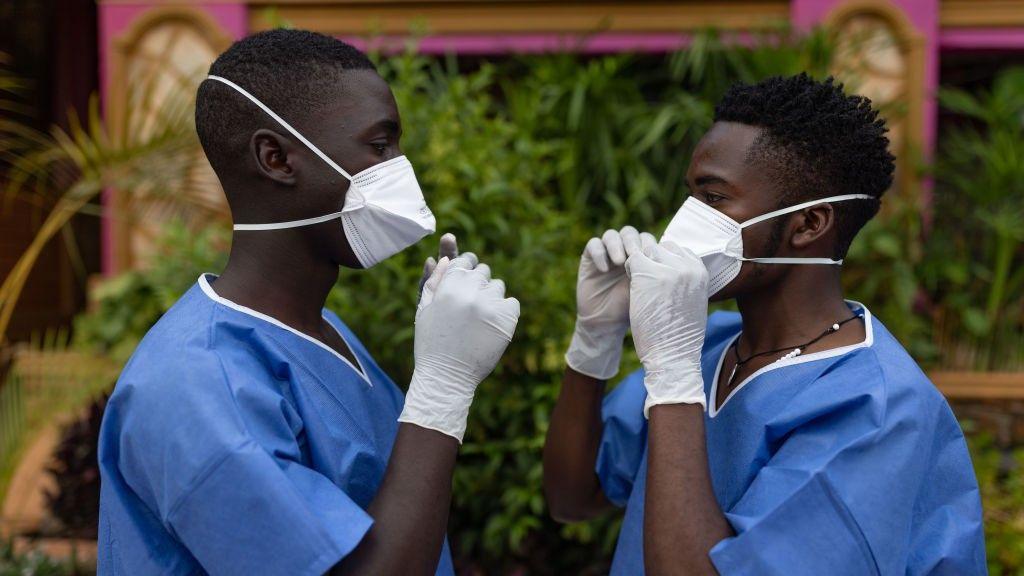
The key to Uganda’s victory is years of experience with past epidemics. The country’s health ministry already had a specialized treatment centre at Mulago Hospital, ready to welcome patients in a single day. “It was a matter of sorting and ordering a few more supplies, and then we were ready,” says Dr David Kaggwa, head of the unit.
Uganda also shut its border with DR Congo as soon as the outbreak was declared. By routing all suspected patients straight to the treatment unit, it cut the risk of community spread. Yet the biggest win was the quarantine of 6,000 contacts – people who had been near confirmed cases – kept under control for 21 days.
Community cooperation played a part too. A nurse who treated a patient before the outbreak was officially declared, felt sick two weeks later, and then voluntarily isolated herself after learning two colleagues had tested positive. “We stay careful and follow precautions, even when no one says we are finished,” she said.